Why Choose Turf Grass for Your Landscaping Needs?
When considering landscaping options, Turf Grass stands out for its versatility and aesthetic appeal. Choosing the right grass can transform a yard into a vibrant space. It adds color and personality while enhancing the outdoor experience.
Turf Grass offers numerous benefits. It requires less water compared to traditional gardens. A well-maintained turf can resist pests and diseases effectively. This resilience contributes to its popularity among homeowners and landscapers alike. It is easy to maintain, providing a lush green surface year-round.
However, not all turf grass is created equal. What works for one environment may not suit another. Local climate, soil conditions, and intended use will influence the decision. It’s crucial to assess these factors to make an informed choice. Understanding these aspects can lead to a thriving landscape that meets both aesthetic and functional needs.
Benefits of Turf Grass in Residential Landscaping
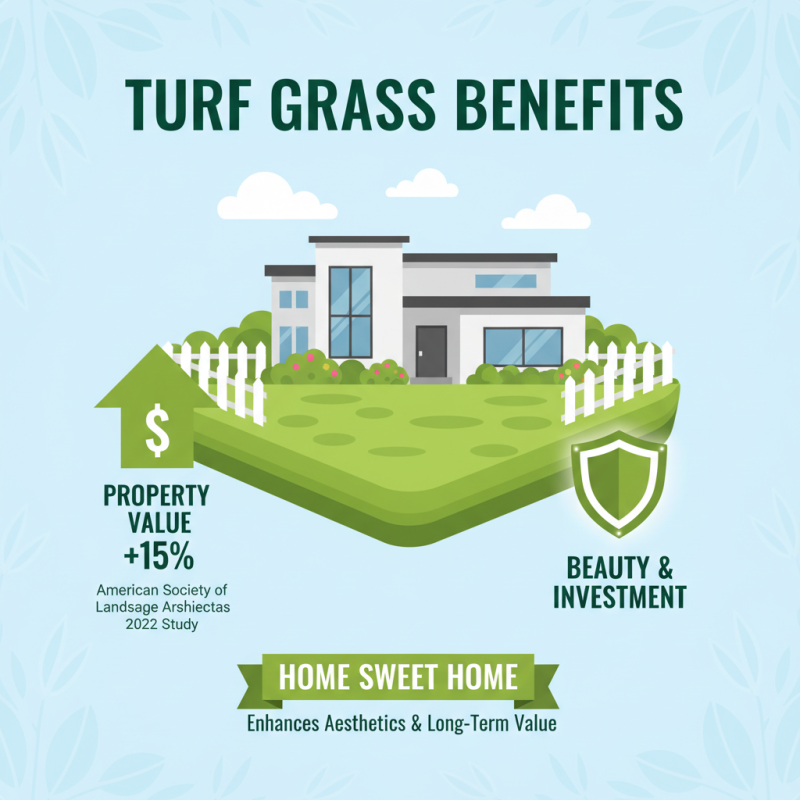
Turf grass is a popular choice for residential landscaping due to its numerous benefits. One key advantage is its ability to enhance the aesthetic appeal of a property. A 2022 study from the American Society of Landscape Architects highlighted that well-maintained lawns can increase property value by up to 15%. This makes turf grass an investment that pays off in the long run.
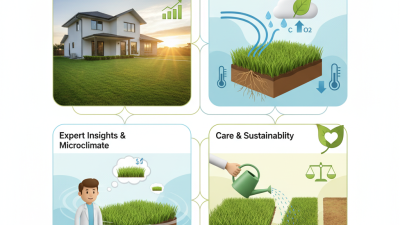
In addition to its visual benefits, turf grass plays a crucial role in environmental health. It helps to improve air quality by absorbing carbon dioxide and releasing oxygen. Turf also acts as a natural filter for rainwater, reducing runoff and preventing soil erosion. According to the Lawn Institute, a healthy lawn can absorb approximately 6,000 gallons of rainwater per year for every 1,000 square feet, significantly benefiting local ecosystems.
**Tips:** Consider going for native turf grass varieties. They require less water and maintenance. Regular mowing and fertilization make a significant difference in lawn health. Remember, an over-fertilized lawn can lead to nutrient runoff, harming nearby water bodies. Aim to balance aesthetics and environmental responsibility for the best results.
Types of Turf Grass Suitable for Various Climates
Choosing the right turf grass is crucial for successful landscaping. Different types thrive in various climates, making proper selection essential. For instance, cool-season grasses like Kentucky bluegrass prefer northern regions. They grow best in temperatures between 60°F to 75°F. This grass offers rich color but requires significant water, especially in dry summers.
On the other hand, warm-season grasses, such as Bermuda and Zoysia, excel in southern climates. They flourish in temperatures above 80°F and are drought-resistant. These grasses may not perform well in cooler temperatures. Mismatched turf can lead to patchy lawns and increased maintenance costs.
As you explore options, consider your local climate carefully. Some areas experience extreme conditions, making it challenging to find suitable turf. Regular care and monitoring are essential to maintain healthy grass. Your landscape's success depends on choosing the right variety for your environment.
Why Choose Turf Grass for Your Landscaping Needs? - Types of Turf Grass Suitable for Various Climates
| Type of Turf Grass |
Best Climate |
Maintenance Level |
Color |
Wear Tolerance |
| Kentucky Bluegrass |
Cool Season |
Moderate |
Dark Green |
Moderate |
| Bermudagrass |
Warm Season |
Low |
Medium to Dark Green |
High |
| Tall Fescue |
Transition Zone |
Low to Moderate |
Dark Green |
Moderate |
| Zoysiagrass |
Warm Season |
Moderate |
Light to Dark Green |
High |
| Perennial Ryegrass |
Cool Season |
Low |
Bright Green |
Low |
Maintenance Requirements for Healthy Turf Grass
Turf grass can transform any landscape, but maintaining it requires effort. Proper care is crucial for healthy growth. Regular watering is essential, especially during dry spells. Too much or too little water can lead to problems. A consistent schedule helps keep the grass vibrant and lush.
Mowing is another key aspect. Trimmed grass looks neat and encourages thicker growth. Keep the mower blades sharp to avoid damaging the grass. It’s important to mow at the right height. Cutting too short exposes roots to stress. Observe your turf’s response and adjust as necessary.
Weeds can be a constant battle. They compete for nutrients and water. Regularly inspect your turf to address weeds early. Hand-pulling can be effective for small areas. For larger infestations, consider safe herbicides, but use caution. Listening to your lawn and learning from its needs will make your landscape thrive.
Cost-Effectiveness of Turf Grass Compared to Alternatives
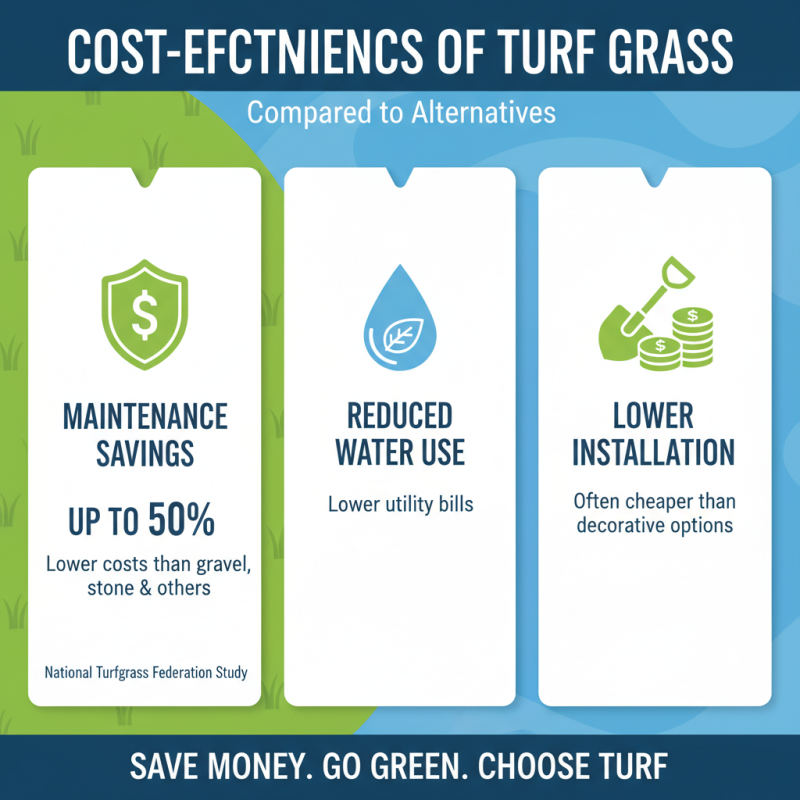
When considering landscaping options, turf grass stands out for its cost-effectiveness. A study by the National Turfgrass Federation showed that turf grass can save homeowners up to 50% on maintenance costs compared to other types of ground cover. Additionally, turf grass requires less water, leading to lower utility bills. In many cases, its initial installation cost is lower than alternatives like decorative gravel or stone.
Deploying turf grass can also enhance property value. According to the National Association of Realtors, a well-maintained lawn can increase a home’s value by as much as 15%. A lush, green lawn invites potential buyers and improves overall curb appeal. While it’s essential to maintain this turf, practices like proper mowing and regular aeration can keep costs manageable.
Tips: Regularly assess your lawn's health to avoid costly repairs. Consider annual soil testing to ensure nutrient levels are optimal. Local extension services can provide valuable guidance on best practices for maintaining your turf grass. In some cases, you might need to rethink your approach depending on the climate and soil conditions. Neutral adjustments might save more in the long run.
Environmental Impact of Turf Grass in Urban Areas
Turf grass plays a significant role in urban landscapes. Its presence can greatly enhance the environment. Healthy turf acts as a natural filter, absorbing pollutants. This helps improve air quality in densely populated areas. Moreover, it provides essential cooling effects during hot seasons. Urban heat islands often face extreme temperatures. Turf grass mitigates this issue effectively.
However, the environmental impact of turf grass isn't entirely positive. Maintaining healthy lawns requires water, which is a precious resource. Excessive watering can lead to runoff, carrying fertilizers and pesticides into waterways. This contributes to pollution and ecosystem disturbance. Additionally, the carbon footprint of lawn care equipment can be concerning. Gas-powered mowers emit emissions that affect air quality.
The challenge lies in balancing the benefits with environmental costs. Innovative landscaping practices can address these issues. Native grass species may require less water and maintenance. Integrating turf grass with local plant life can create a more sustainable ecosystem. It's essential to reflect on these impacts as urbanization continues to grow. Turf grass must be appreciated for its benefits while considering its environmental costs.
Environmental Impact of Turf Grass in Urban Areas