What is a Vertical Green Wall and How Does It Work?
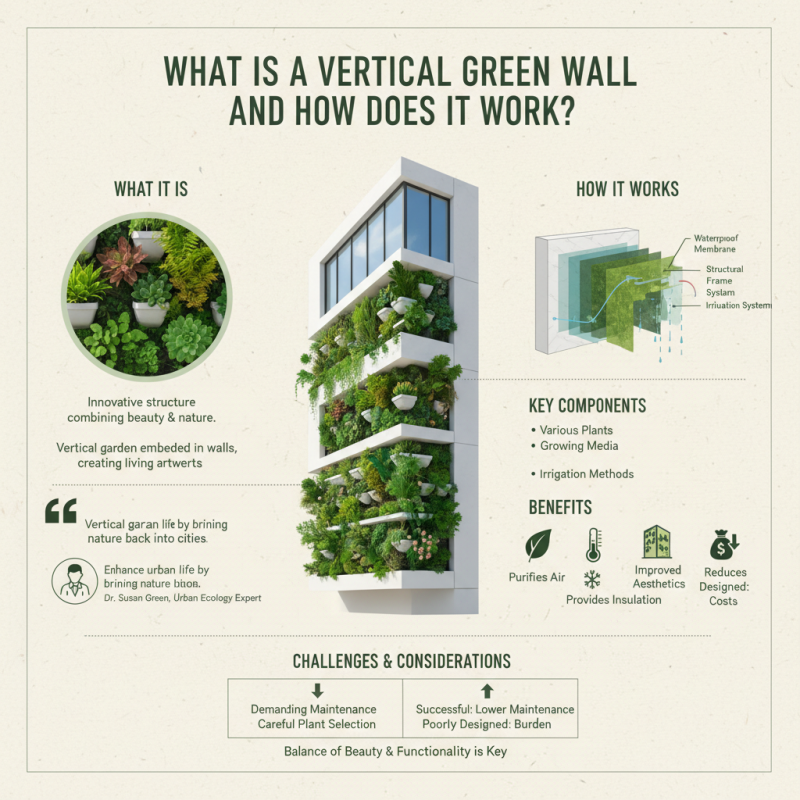
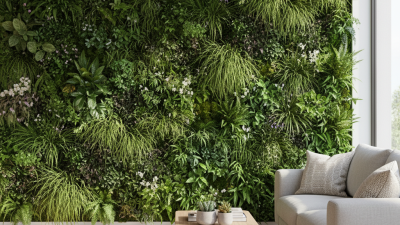
Vertical Green Walls are innovative structures that combine beauty and nature. They are vertical gardens embedded in walls, creating living artworks. According to Dr. Susan Green, an expert in urban ecology, "Vertical Green Walls enhance urban life by bringing nature back into our cities."
These systems utilize various plants, growing media, and irrigation methods. The result is a thriving ecosystem that purifies air and improves building aesthetics. City buildings often lack greenery, making these walls essential for urban environments. They also provide insulation, reducing energy costs.
Despite their benefits, there are challenges to consider. Maintenance can be demanding, and plant selection is crucial. Not all plants thrive in vertical conditions, which requires careful planning. A successful Vertical Green Wall could mean lower maintenance, while a poorly designed one may become a burden. This balance of beauty and functionality is key.
What is a Vertical Green Wall?
A vertical green wall is an innovative gardening solution that transforms vertical spaces into lush, living landscapes. This structure often consists of modular panels filled with soil, plants, and a watering system. They are commonly installed on building facades or inside spaces, enhancing both aesthetics and air quality.
These walls support various plant types, from ferns to flowering species. Their design allows for efficient irrigation, relying on a drip system or recirculated water. Yet, they can present challenges. Choosing the right plants is crucial for success.
Not all plants thrive in confined spaces or varying light conditions. Some may struggle to adapt, leading to uneven growth.
Maintenance can also be demanding. Regular watering, pruning, and monitoring for pests are essential. Additionally, urban environments can impose stress on these walls.
Air pollution and changing weather patterns may impact plant health. It requires a dedicated hand to nurture a vertical green wall. Understanding its needs can make the difference between a thriving garden and a struggling one.
Components of a Vertical Green Wall System
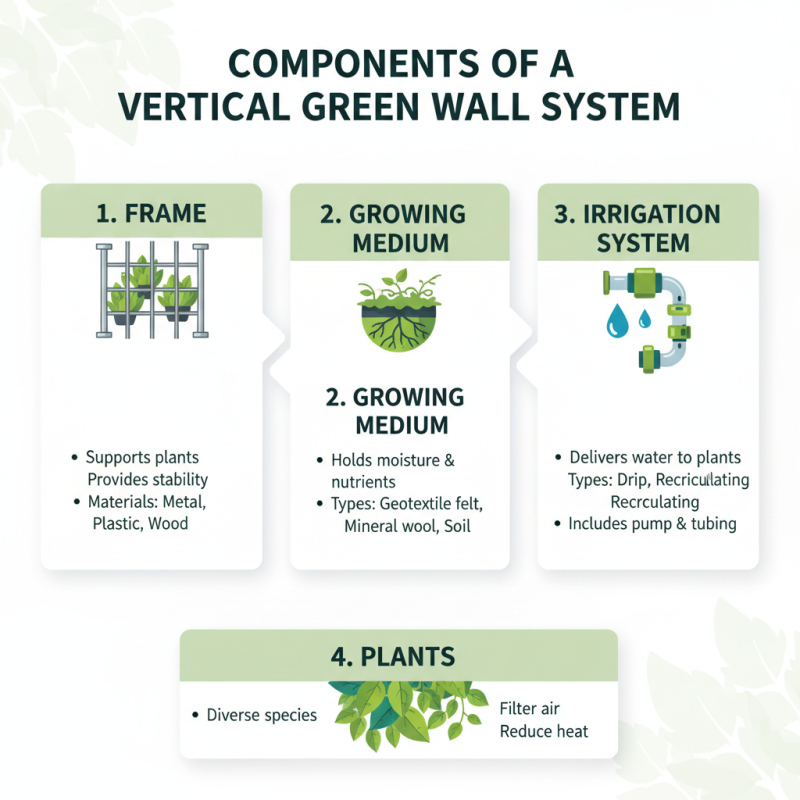
Vertical green walls are innovative systems that bring nature to urban environments. They consist of multiple components that work together to create a thriving ecosystem. One essential element is the frame. This structure supports the plants and provides stability. It can be made from metal, plastic, or wood, depending on the design.
Another key component is the planting medium. This substrate supports plant growth while retaining moisture. Different substrates can be used, like soil mixtures or hydroponic systems. Watering systems are also crucial. They distribute water evenly to keep plants healthy. Drip irrigation or misting systems are common choices.
Choosing the right plants is vital for a successful vertical green wall. Plants must adapt to vertical growth conditions. Native species often work well, as they are hardier and require less care. However, some designs may struggle with sunlight exposure. Plants may grow unevenly if not positioned correctly. It's important to monitor their needs regularly. Overall, creating a vertical green wall involves careful planning and consideration of all components.
Benefits of Implementing Vertical Green Walls
Vertical green walls are becoming popular in urban environments. These structures bring numerous benefits. They improve air quality significantly. Plants absorb carbon dioxide and release oxygen. They act as natural air filters, trapping dust and pollutants.
Moreover, vertical green walls can enhance aesthetic appeal. They provide a burst of color and life to dull spaces. This can improve the mood of residents and workers. Research shows that greenery can reduce stress levels. A well-designed green wall can also increase property value. Yet, challenges exist with maintenance and plant selection. Choosing the right plants for specific climates is crucial.
In addition, vertical green walls provide insulation. They help in regulating building temperatures. This can lead to lower energy costs in heating and cooling. However, the installation can be costly. Exploring various funding options may be necessary. Engage with local experts to find efficient solutions. Balancing costs and benefits requires careful planning and consideration.
What is a Vertical Green Wall and How Does It Work? - Benefits of Implementing Vertical Green Walls
| Dimension |
Description |
Benefits |
| Aesthetic Appeal |
Vertical green walls enhance the visual aesthetics of both indoor and outdoor spaces. |
Improves property value and attracts visitors. |
| Air Quality |
Plants filter harmful pollutants from the air and release oxygen. |
Promotes better health and reduces respiratory issues. |
| Insulation |
Green walls provide additional insulation for buildings. |
Reduce energy costs for heating and cooling. |
| Biodiversity |
Supports a variety of plants and provides a habitat for insects and birds. |
Enhances urban biodiversity and ecological balance. |
| Noise Reduction |
Plants absorb, deflect, or refract sound. |
Creates a quieter and more peaceful environment. |
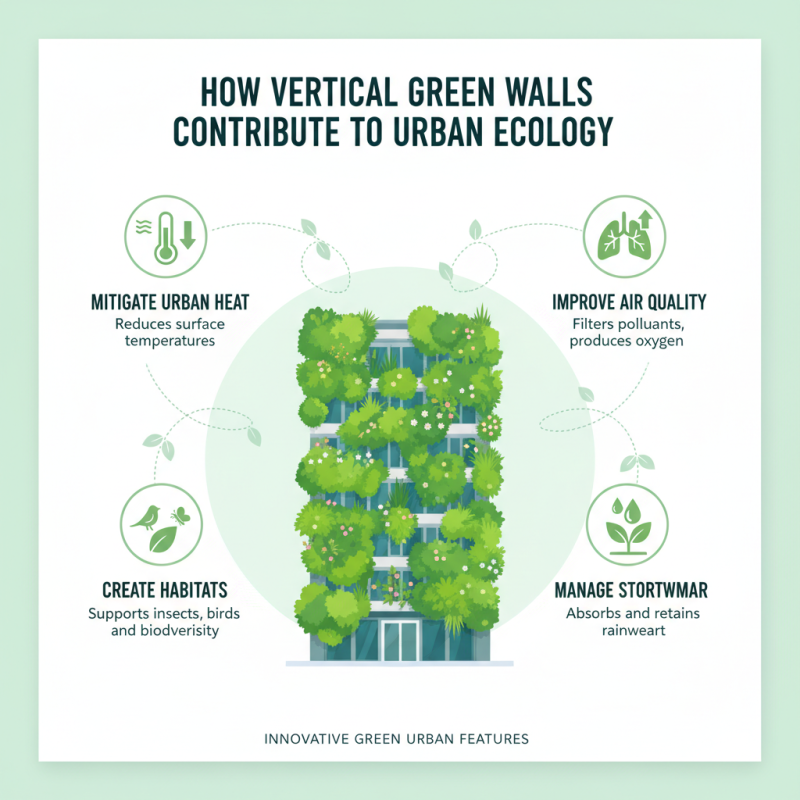
How Vertical Green Walls Contribute to Urban Ecology
Vertical green walls are innovative urban features that support local ecosystems. They consist of plants growing vertically on structures, often attached to buildings. These installations help mitigate urban heat, and improve air quality. They also provide habitats for local wildlife, like insects and birds.
The presence of vertical green walls enhances biodiversity. In densely populated cities, natural habitats are limited. By integrating plants into building designs, we create green corridors. These corridors facilitate the movement of species, supporting ecological balance. Additionally, plants absorb carbon dioxide and release oxygen, improving the urban atmosphere.
However, maintaining these walls can be challenging. Issues may arise with plant health, irrigation, and structural integrity. Finding the right plant species for different climates is crucial. Careful planning is needed to avoid problems later. A well-thought-out green wall can be a sustainable solution that bridges architecture and nature.
Maintenance and Care for Vertical Green Walls
Maintaining a vertical green wall requires regular care and attention. Plants in these installations need consistent watering to thrive. A good irrigation system can help manage this, but it must be monitored. Overwatering can lead to root rot, while underwatering can cause plants to wilt. Check moisture levels frequently for the best results.
Pruning is essential for keeping the plants healthy and vibrant. Regularly trim dead leaves and spent flowers to promote new growth. This can also prevent pests and diseases. Observing the plants closely will help you notice any issues early. Spotting a problem is better than waiting for it to escalate.
Fertilization plays a crucial role in their upkeep. Use a balanced fertilizer to provide essential nutrients. However, be cautious about over-fertilizing. It can harm the plants. Keeping a gardening journal may help track what works well and what needs adjustment. Each wall may have unique needs, which can take time to discover.
Vertical Green Walls: Maintenance and Care Analysis