What is Turf Grass and How is it Beneficial for Your Lawn?
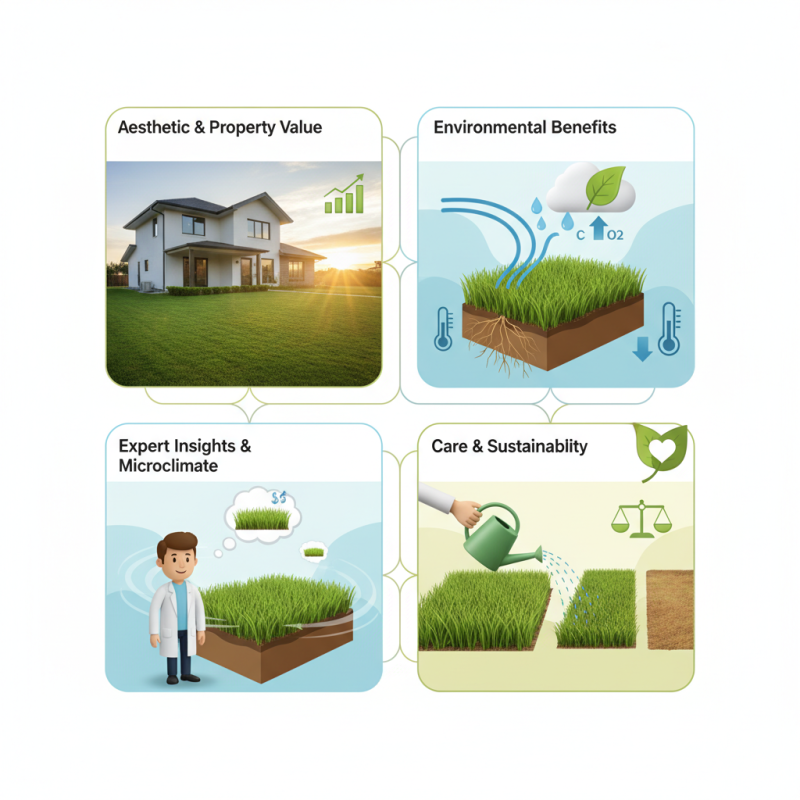
Turf Grass covers yards across the globe, providing both aesthetic and functional benefits. According to the National Turfgrass Evaluation Program, over 30% of residential lawns in the U.S. feature this vibrant greenery. Turf Grass not only enhances property value but also improves air quality and helps manage stormwater runoff.
Dr. James Beard, a recognized authority in Turf Grass science, states, "Well-maintained Turf Grass creates a cooling microclimate." It absorbs carbon dioxide and releases oxygen, which is essential for maintaining a healthy environment. Moreover, it reduces heat by keeping the soil temperature lower than bare ground.
Yet, maintaining an ideal Turf Grass lawn requires dedication. Over-watering can harm root systems, while neglect can lead to unattractive patches. It's a balancing act that needs careful consideration. Homeowners must reflect on their turf care practices to promote sustainability while enjoying the beauty of Turf Grass.
What is Turf Grass? A Definition and Overview
Turf grass is a specialized type of grass used for lawns, sports fields, and golf courses. It offers a lush green cover that enhances the landscape and provides excellent durability. According to a study from the Turfgrass Council, healthy turf grass can reduce soil erosion by 90% and filter pollutants effectively.
One key benefit of turf grass is its ability to absorb rainfall. Research indicates that a well-established lawn can absorb up to 6 inches of rain per hour. This helps prevent flooding and promotes groundwater recharge. Beyond environmental aspects, turf grass also encourages outdoor activities. It creates an inviting space for children and pets, promoting a healthy lifestyle.
Tips: Regular mowing can improve turf health. Aim to trim the grass to about 3 inches high, allowing roots to grow deeper. Also, consider aeration during peak growth season to reduce soil compaction. This process enhances root growth and water absorption.
Choosing the right type of turf grass is crucial. Not all grass varieties thrive in every climate. For instance, some might struggle in hotter areas while others may die off in colder climates. This can leave patches of bare ground, requiring a re-evaluation of options. It's essential to research local conditions to make an informed choice.
Types of Turf Grass: Choosing the Right Variety for Your Lawn
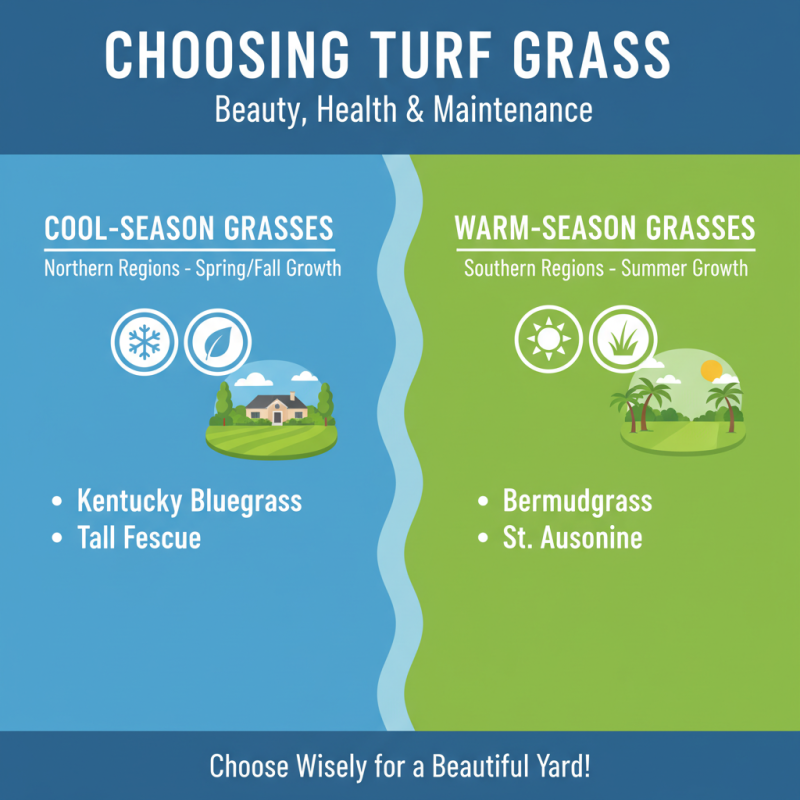
Choosing the right type of turf grass for your lawn is vital. It affects the beauty, health, and maintenance of your yard. There are various grass types, each suitable for different climates and uses. Cool-season grasses thrive in northern regions. They grow well in spring and fall. Examples include Kentucky bluegrass and tall fescue.
Warm-season grasses are ideal for southern areas. They flourish in the heat of summer. Varieties like Bermuda and Zoysia are popular choices. When selecting grass, consider your local climate, sun exposure, and soil type. You might feel overwhelmed by the options. It helps to observe other lawns in your area.
Maintenance needs can vary widely. Some grasses require more water and fertilizer than others. Think about your time commitment. Is a low-maintenance option better for you? Remember to plan for issues like pests and diseases as well. These factors may impact your grass choice. Each lawn has unique challenges.
Benefits of Turf Grass: Aesthetic and Environmental Advantages
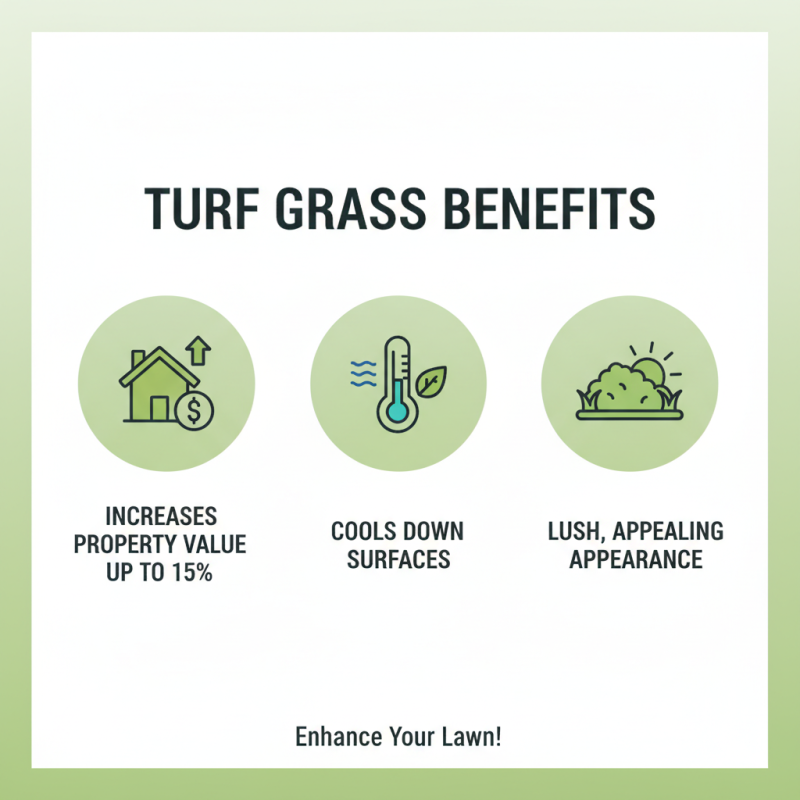
Turf grass offers various aesthetic and environmental benefits that enhance any lawn. Firstly, it creates a vibrant, lush appearance. A well-maintained turf can increase property value by up to 15%, according to a study by the American Society of Landscape Architects. Moreover, turf grass helps in temperature regulation. It can be significantly cooler than hard surfaces like concrete or asphalt.
Environmental advantages are substantial. Turf grass improves air quality by absorbing carbon dioxide and releasing oxygen. According to the Environmental Protection Agency, turf can reduce runoff and erosion by promoting water infiltration. Even more, a healthy lawn can filter pollutants, contributing to cleaner groundwater.
Tips for maintaining a lush lawn include regular aeration and proper watering. Aeration helps relieve soil compaction, ensuring grassroots have adequate access to nutrients. Additionally, water in the early morning to reduce evaporation losses. Be mindful, as overwatering can lead to fungal problems. Embrace the imperfections. A natural lawn will have some weeds or bare patches. It’s part of the ecosystem. Reflect on your lawn's needs and adjust care practices accordingly.
Maintenance Tips: Keeping Your Turf Grass Healthy and Lush
Maintenance is key for healthy turf grass. Cutting it at the right height is essential. Generally, a height of 2.5 to 3 inches works best. This height encourages deep roots, which can improve drought resistance. According to a recent study, proper mowing techniques can reduce water usage by up to 30%. Less frequent trimming can also promote a more robust lawn.
Watering is another critical factor. Turf grass needs about 1 to 1.5 inches of water weekly. This range helps to maintain lush color and vigor. Overwatering can lead to disease and shallow roots. Aim for deep, infrequent watering sessions early in the morning. Regularly checking your soil moisture ensures effective watering practices.
Fertilization programs are necessary but should be approached with caution. Too much nitrogen can lead to quick growth but can weaken the grass. Experts recommend a balanced fertilizer applied based on soil tests. This tailored approach can result in a more sustainable lawn. Maintaining turf grass requires ongoing observation and adjustment. It is a continual learning process that many find challenging yet rewarding.
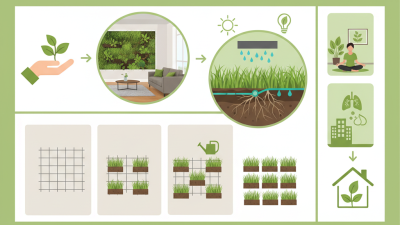
Turf Grass Benefits and Maintenance Overview
Common Pests and Diseases: Protecting Your Turf Grass from Damage
Turf grass is a popular choice for lawns due to its lush appearance and resilience. However, it is not immune to common pests and diseases. Many homeowners find their lawns facing challenges. Recognizing these threats is essential for a healthy lawn.
Pests like grubs and chinch bugs can cause significant harm. They feed on grass roots, leading to brown patches. Identifying these issues early can help mitigate damage. Regular inspections are crucial. For example, an area without grass can indicate a pest problem. In contrast, diseases such as brown patch or dollar spot can also appear. These often thrive in humid conditions. Understanding when your lawn is most vulnerable is important.
Preventive measures can be beneficial. Maintaining proper watering and cutting practices helps strengthen turf grass. Healthy grass can better resist pests and diseases. Using organic methods may also support lawn health without harmful chemicals. It’s a process of trial and error to find what works best for your yard. Each lawn has unique characteristics. Keeping an eye on changes is key to sustaining a vibrant lawn.