Top 10 Turf Grass Types for Your Global Sourcing Needs?
Turf grass plays a crucial role in landscaping, sports fields, and gardens worldwide. With diverse climates and soil types, selecting the right grass type is essential for successful growth. Different turf grass varieties excel in unique environments, making global sourcing more complex yet rewarding.
Understanding the top types of turf grass can enhance your outdoor spaces. Each type has its advantages, such as resilience, aesthetics, and maintenance requirements. However, it’s essential to acknowledge that not all turf grass works for every situation. Certain types may struggle in extreme weather or particular soil conditions.
Being knowledgeable about these nuances is key. Evaluate your specific needs before making a choice. Explore local resources and consult experts for deeper insight. Choosing the right turf grass can profoundly impact the beauty and functionality of your landscape.
Types of Turf Grass: A Comprehensive Overview for Global Sourcing
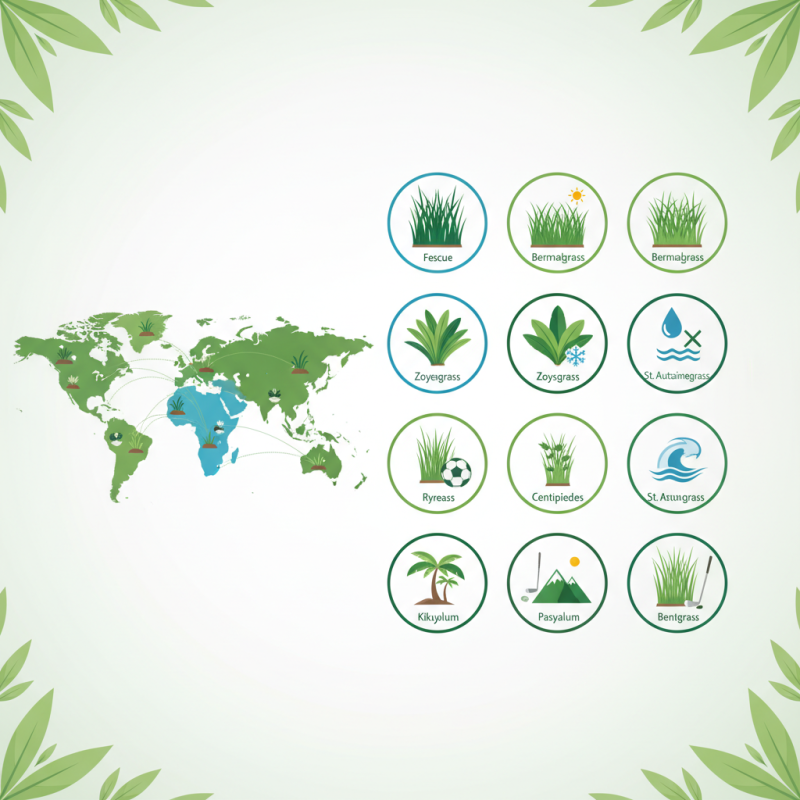
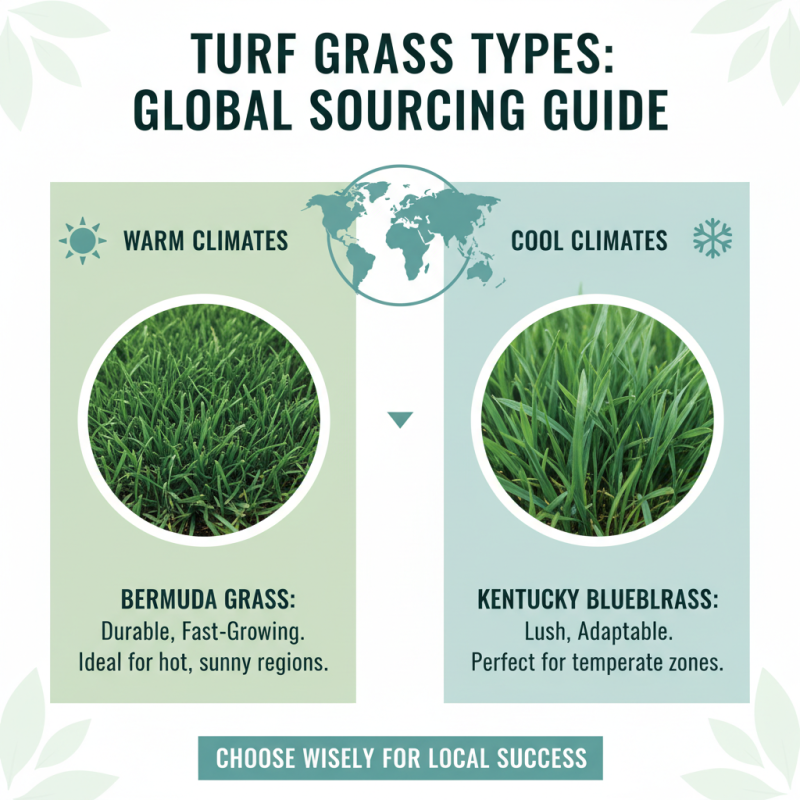
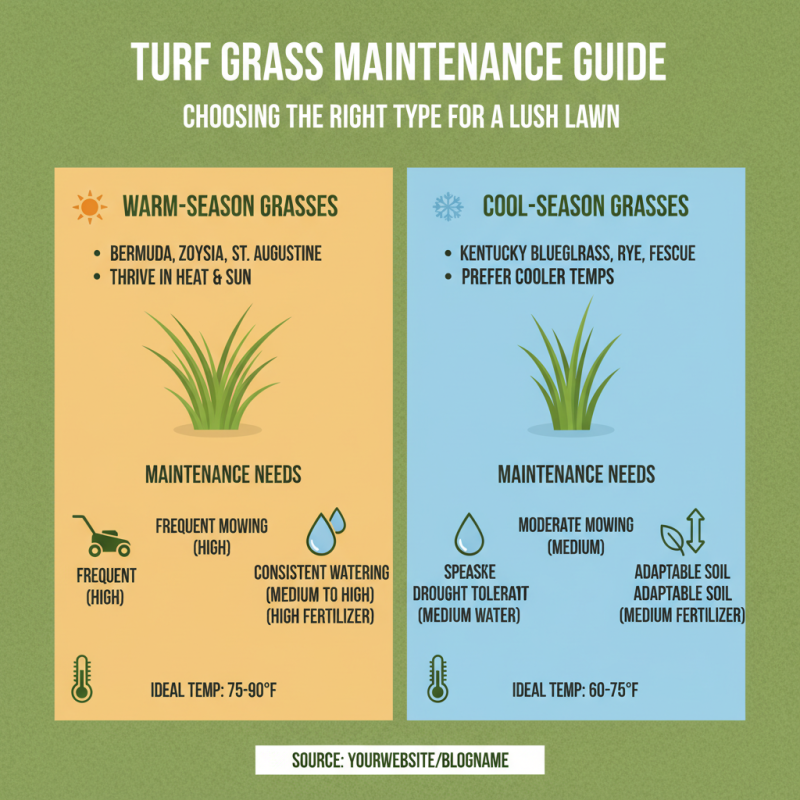
When considering global sourcing of turf grass, understanding the types available is essential. Different regions require specific grass types suited to their climates and uses. For instance, Bermuda grass thrives in warmer zones, known for its durability and rapid growth. Meanwhile, Kentucky bluegrass is favored in cooler climates for its lush appearance and adaptability.
Turf grass types also vary in texture, color, and maintenance needs. Fescue is resilient with lower water requirements, yet its shade tolerance varies. Zoysia grass offers a thick carpet but takes time to establish. Sourcing depends on soil type and local conditions, necessitating careful evaluation. Key is matching grass to environment to ensure successful growth. Keep in mind working with local providers can enhance sourcing quality and performance reliability. Making informed choices may lead to unexpected challenges, such as pest control issues or disease vulnerability, which is crucial to consider in your sourcing strategy.
Factors Influencing the Selection of Turf Grass Varieties
Selecting the right turf grass variety for global sourcing requires careful consideration of several factors. Climate is a primary influence. Different grass types thrive in varying temperature ranges and humidity levels. For example, cool-season grasses flourish in northern regions, while warm-season varieties are better suited for southern climates.
Soil type is also crucial. Sandy soils drain quickly but may lack nutrients. In contrast, clay soils retain moisture but can become compacted. Understanding your soil's characteristics helps narrow down suitable turf options. Additionally, the intended use of the grass plays a significant role. Residential lawns, sports fields, and golf courses each have different requirements and durability needs.
Tip: Conduct a soil test before selection. This provides insights into nutrient levels and pH balance.
Another essential factor is maintenance level. Some grasses require regular mowing and watering, while others are more drought-resistant and low-maintenance. Be realistic about your time and resources. Choosing high-maintenance grass can lead to frustrations and wasted efforts if not properly managed.
Tip: Research local climate patterns to anticipate challenges in grass growth.
Ultimately, successful turf grass sourcing hinges on a deep understanding of these influencing factors. Balancing aesthetics, functionality, and sustainability is key. The wrong choice may lead to a host of issues, impacting both appearance and usability.
Top 10 Turf Grass Types for Your Global Sourcing Needs
This chart illustrates the popularity of various turf grass types for global sourcing needs, based on typical usage and preference in different regions. The scores represent a relative measure of popularity among different grass types.
Regional Adaptability: Choosing Turf Grass Based on Climate Zones
When selecting turf grass, climate zones play a critical role. Different species thrive in specific conditions. The USDA Plant Hardiness Zone Map divides the U.S. into zones based on temperature and growing conditions. For instance, Bermuda grass excels in warm, sunny climates, while Kentucky bluegrass prefers cooler regions.
A report from the American Society of Agronomy suggests that choosing the right turf can enhance soil health and reduce maintenance. It states that cool-season grasses grow better in the northern U.S., while warm-season grasses dominate in southern areas. Not every grass type suits every location. Using the incorrect type can lead to increased water use and lawn maintenance costs.
However, regional adaptability isn’t always clear-cut. Factors like soil type, sunlight, and drought resistance also affect grass performance. A study from Turfgrass Trends shows that localized testing is necessary to determine which grass will thrive. It is essential for sourcing teams to prioritize these attributes rather than relying on generalized recommendations. Understanding regional needs can lead to better choices and sustainable practices.
Sustainability Considerations in Turf Grass Sourcing Decisions
When sourcing turf grass, sustainability plays a critical role in the decision-making process. Choosing local varieties can minimize transportation emissions. This approach helps preserve regional biodiversity. Local grasses often require fewer pesticides and fertilizers, reducing environmental impact. However, sourcing only locally can limit options. Sometimes, specific needs might require grass types not readily available in the area.
Water use is another vital factor. Some grasses are drought-resistant and require less irrigation. This can be beneficial in areas facing water scarcity. Still, not every grass type is suited for every climate. Understanding local conditions is essential. Some regions may struggle with soil quality. This can affect the growth of certain turf grasses and raise the need for soil amendments.
There’s a balancing act in this sourcing process. Using eco-friendly practices can guide buyers, but results can vary. Sometimes, it might be tempting to prioritize cost over sustainability. This could lead to unforeseen long-term consequences. It’s crucial to weigh the benefits against potential drawbacks. This reflection can ensure better choices for greener turf grass sourcing.
Top 10 Turf Grass Types for Your Global Sourcing Needs - Sustainability Considerations in Turf Grass Sourcing Decisions
| Grass Type |
Suitable Climate |
Maintenance Level |
Drought Resistance |
Sustainability Rating |
| Bermudagrass |
Warm-season |
Medium |
High |
Good |
| Fescue |
Cool-season |
Low |
Medium |
Excellent |
| Kentucky Bluegrass |
Cool-season |
High |
Low |
Good |
| Zoysiagrass |
Warm-season |
Medium |
High |
Good |
| Perennial Ryegrass |
Cool-season |
Low |
Medium |
Excellent |
| Tall Fescue |
Transition zone |
Low |
High |
Excellent |
| Buffalograss |
Warm-season |
Low |
Very High |
Excellent |
| Fine Fescue |
Cool-season |
Very Low |
Medium |
Good |
| Ryegrass |
Cool-season |
Medium |
Low |
Average |
| Creeping Bentgrass |
Cool-season |
High |
Medium |
Average |