What is Plastic Artificial Grass and its Benefits?
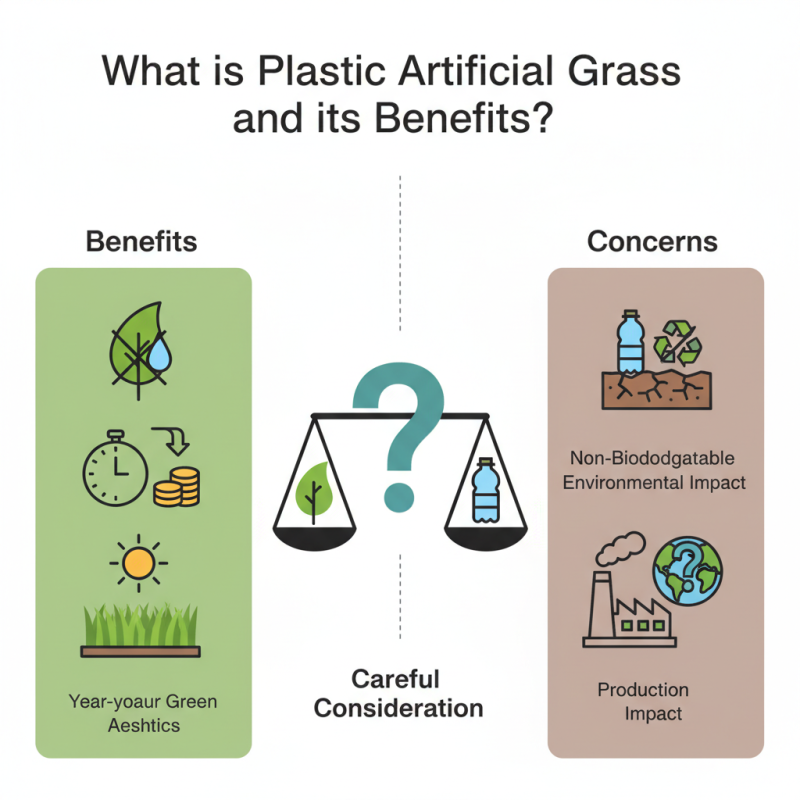
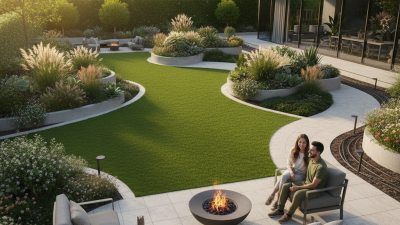
Plastic Artificial Grass is transforming outdoor spaces. This synthetic alternative to natural grass offers numerous benefits. It's becoming increasingly popular among homeowners and businesses alike.
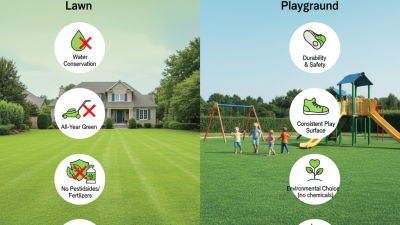
One of the main advantages is its low maintenance. Unlike real grass, Plastic Artificial Grass does not require mowing, watering, or fertilizing. This can save time and money. Additionally, the vibrant color and texture can enhance any landscape, providing a lush look year-round.
However, some might question its environmental impact. While it reduces water usage, the production involves plastics that are not biodegradable. This raises concerns about long-term sustainability. These points highlight the need for careful consideration in choosing Plastic Artificial Grass. It's essential to weigh the benefits against the potential drawbacks.
What is Plastic Artificial Grass?
What is Plastic Artificial Grass?
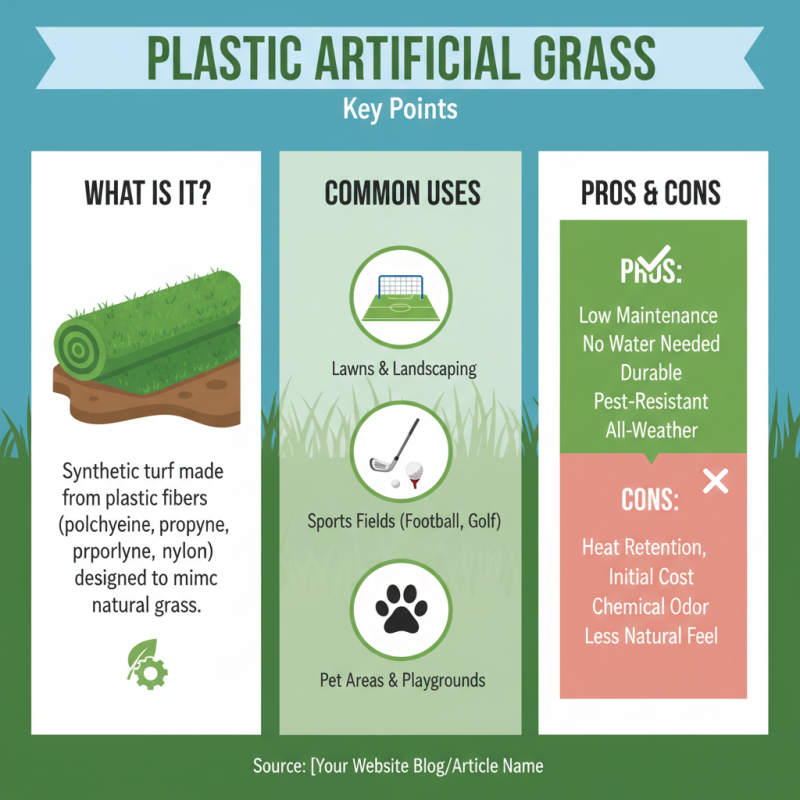
Plastic artificial grass, commonly known as synthetic turf, is a man-made surface designed to mimic natural grass. It is typically made from polyethylene, polypropylene, or nylon. This material offers a durable alternative to traditional lawns. Many homeowners and businesses are opting for it due to its low maintenance and long-lasting qualities.
Maintaining plastic grass is easy. No need to mow, water, or fertilize. Rain will wash away dirt, but occasional rinsing helps maintain its appearance. Be cautious, however, as debris can accumulate. Leaf blowers work well, but avoid harsh chemicals.
Consider the environmental impact. Some question how it affects local wildlife. A natural look can attract butterflies and birds. It’s essential to ponder this balance. The heat retention of the plastic in sunny areas can raise ground temperatures. Reflect on placement carefully.
Choose the right infill for your synthetic grass. It provides cushioning and stability. Options include sand or rubber pellets. Each has its pros and cons. Be mindful to select what aligns with your needs. Remember, while plastic grass offers many benefits, it may not be suitable for every application.
Types of Plastic Artificial Grass Available on the Market
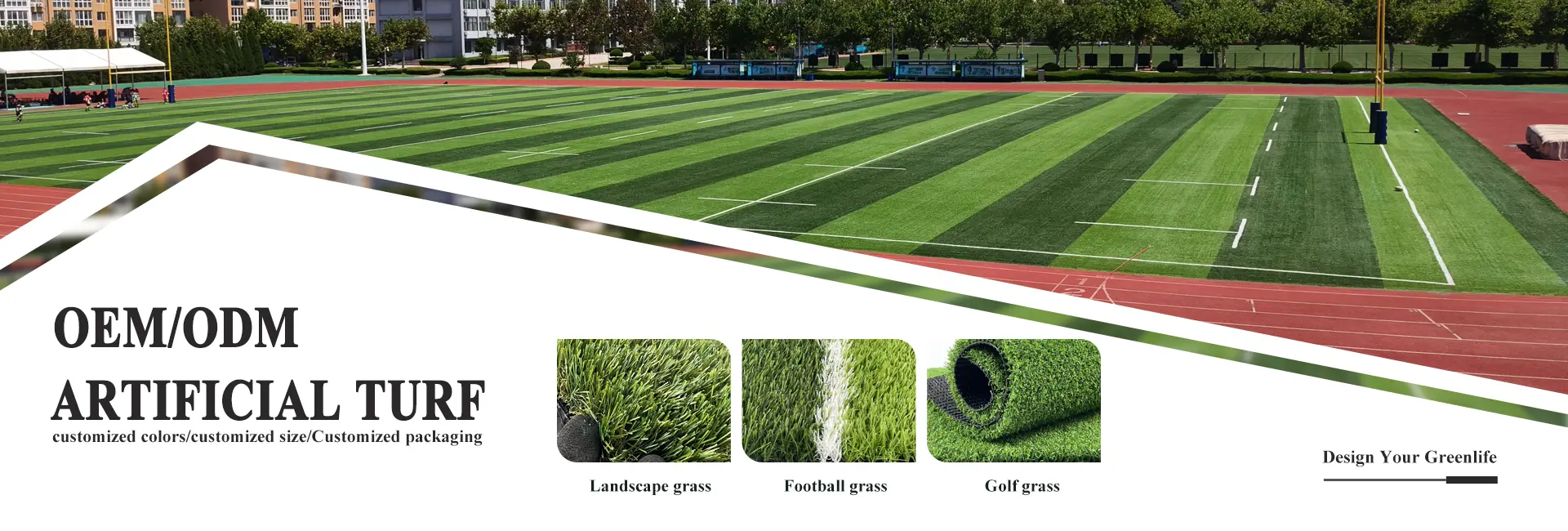
When it comes to plastic artificial grass, various types offer unique advantages. One popular type is polyethylene grass. It mimics the look of natural grass very well. It's durable and soft, making it suitable for residential lawns and playgrounds. Homeowners often appreciate its realistic appearance.
Another option available is polypropylene grass. This type is often more affordable. It's lighter and works well for temporary installations or low-traffic areas. However, it may not last as long as polyethylene. Many users find that while it’s cost-effective, it wears down more quickly.
Nylon grass is another alternative known for its strength. It doesn't crush easily and is resistant to heat. However, this resilience comes at a higher price. People must consider their specific needs before choosing. Each option has its pros and cons. Reflecting on these choices is crucial for making the best decision.
What is Plastic Artificial Grass and its Benefits? - Types of Plastic Artificial Grass Available on the Market
| Type of Plastic Artificial Grass |
Material |
Benefits |
Ideal Usage |
| Nylon Artificial Grass |
Nylon |
Durable, Resistant to heat and UV, Great for high-traffic areas |
Sports fields, Playgrounds |
| Polyethylene Artificial Grass |
Polyethylene |
Soft texture, Natural look, UV resistant |
Residential lawns, Landscape design |
| Polypropylene Artificial Grass |
Polypropylene |
Cost-effective, Lightweight, Good for light-traffic areas |
Residential gardens, Pet areas |
| PE and Nylon Blend |
Mixed materials |
Combines benefits of both, Good durability and softness |
Commercial spaces, Dog parks |
Key Benefits of Using Plastic Artificial Grass
Plastic artificial grass has become a popular choice for many homeowners and businesses. This synthetic option offers numerous benefits. One significant advantage is its low maintenance. Unlike natural grass, artificial turf requires no mowing, watering, or fertilizing. This saves time and reduces costs over the long term.
Another key benefit is its durability. Plastic grass can withstand heavy foot traffic and harsh weather conditions without sustaining damage. It remains vibrant and green throughout the year. This feature is particularly appealing for sports fields and playgrounds, but some may find it lacks the authentic feel of real grass.
While many enjoy the aesthetic appeal of artificial turf, it's not without flaws. Some people may feel it gets too hot under the sun. Others miss the natural smell of real grass. Additionally, proper installation is crucial for longevity. Uneven surfaces can lead to wear and tear, requiring attention. Choosing the right product and installation team is essential for achieving the desired results.
Environmental Impact of Plastic Artificial Grass
Plastic artificial grass has gained popularity for its low maintenance and aesthetic appeal. However, its environmental impact raises concerns. While it may seem like a sustainable choice, the reality is more complex.
One major issue is the production process of plastic grass. The manufacturing often requires fossil fuels, contributing to carbon emissions. Additionally, the end product does not decompose easily. This creates long-term waste challenges. Many landfills house discarded artificial grass, which can remain for decades.
Furthermore, plastic artificial grass can affect soil health. Its surface does not allow for proper water drainage. This can lead to runoff issues, impacting local ecosystems. Microplastics can escape into the environment, posing risks to wildlife. As we embrace this product, we must also reflect on these hidden costs. Balancing aesthetics and environmental health is essential.
Maintenance Tips for Plastic Artificial Grass
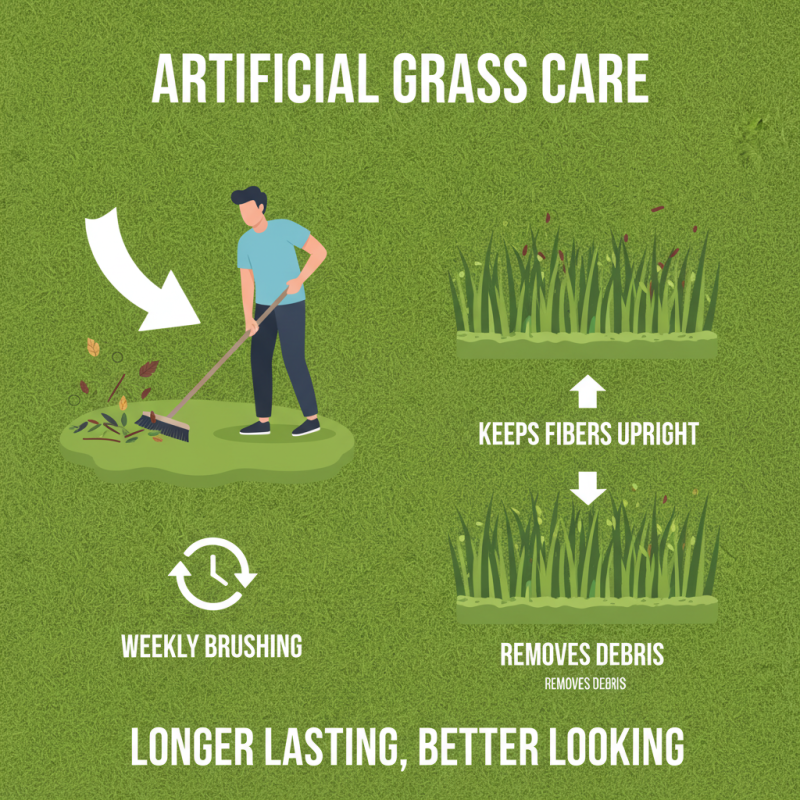
Maintaining plastic artificial grass is essential for its longevity and appearance. Regular brushing helps keep the fibers upright. This simple task also removes debris like leaves and dirt. Aim to brush it at least once a week, especially after windy days.
Cleaning is another crucial aspect. A mixture of water and mild detergent can clean most stains. Rinse thoroughly to avoid residue buildup. Sometimes, a quick hose down is all it needs. However, be cautious with heavy cleaning equipment; they might damage the grass fibers.
Occasional inspection is important too. Look for signs of wear or uneven spots. Addressing these issues early can prevent bigger problems later. Although plastic grass is durable, nothing lasts forever. Think about routine checks and maintenance as part of the overall care. This way, you can enjoy your vibrant lawn for years to come.