What is a Plant Wall Hanging and How to Incorporate it into Your Home?
In today's home decor landscape, a Plant Wall Hanging stands out as a creative expression. Renowned interior designer Alice Green once stated, "Bringing nature indoors transforms any space into a sanctuary." This highlights the growing importance of greenery in our living environments.
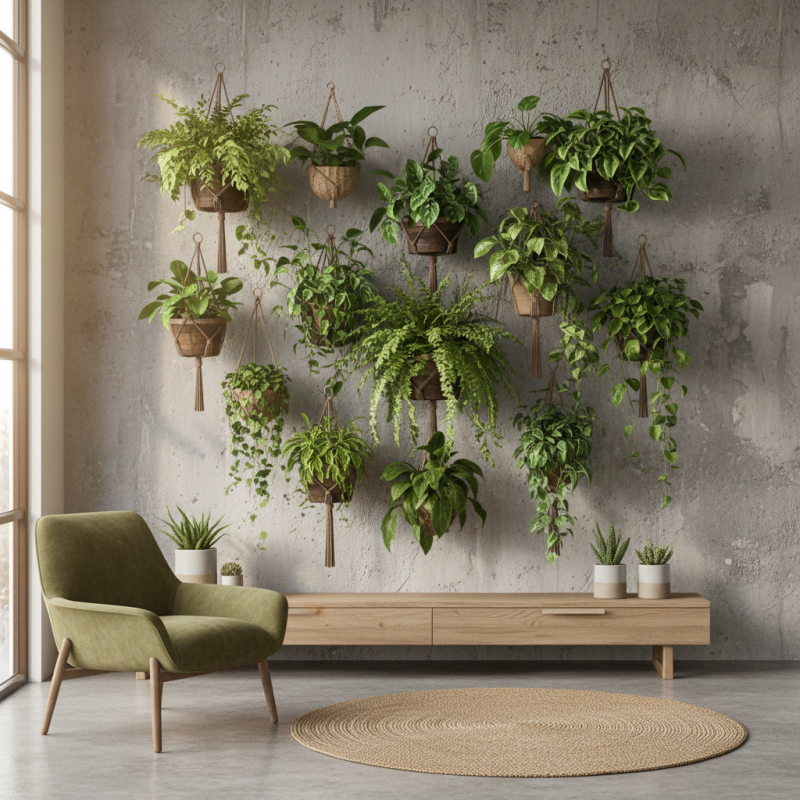
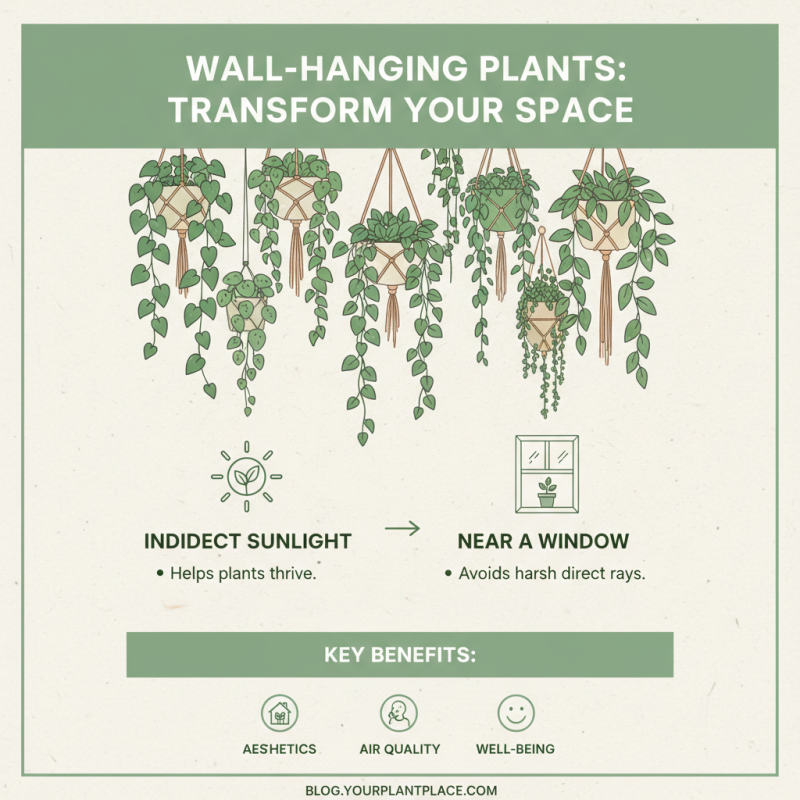
Plant Wall Hangings are not just about aesthetics; they foster a deep connection with nature. Imagine lush plants cascading down a textured wall, bringing life into a dull corner. Incorporating these pieces can be challenging. Not every wall can support the weight, and not all plants thrive in vertical arrangements.
Yet, the impact of a well-placed Plant Wall Hanging is profound. It enhances air quality and adds color. However, not every setup will succeed. Sometimes, the balance of light and moisture gets overlooked. Despite these hurdles, the beauty remains undeniable. Finding the perfect design may take time, but the rewards are rich.
Understanding Plant Wall Hangings and Their Aesthetic Appeal
Plant wall hangings are more than just décor; they serve as living art. Their aesthetic appeal lies in the blend of nature and design. A recent design survey reported that 75% of homeowners prioritize greenery in their interior spaces. This trend reflects a growing desire for biophilic design, which connects people with nature.
Incorporating plant wall hangings brings multiple benefits. They can purify the air and enhance mood. According to the American Psychological Association, plants can reduce stress and boost productivity. Yet, choosing plants requires careful thought. Not all plants thrive in wall-mounted setups, so research is essential. Consider light availability and humidity levels.
Many people underestimate maintenance. Plants need care, which could lead to challenges. Visual appeal is important, but so is plant health. Regular watering and occasional pruning are necessary. Some may find it discouraging. However, learning about plant needs can foster a rewarding hobby that enriches your environment.
Types of Plants Suitable for Wall Hanging Displays
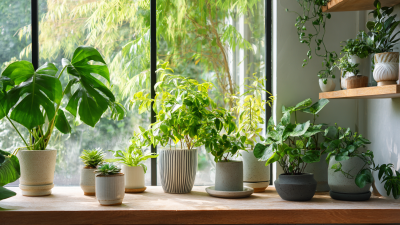
When considering plants for wall hanging displays, it’s essential to choose varieties that thrive in vertical spaces. Research shows that certain plants adapt better to different light conditions. For instance, succulents and air plants are ideal in bright environments, while ferns and philodendrons do well in lower light. According to a study by the National Institute of Health, greenery can improve air quality and boost mood by reducing stress.
Tips: Consider using a mix of trailing and upright plants. Trailing plants, like string of pearls, create beautiful drapes. Upright varieties, such as pothos, can add height. This combination allows for a more dynamic visual effect.
It's also useful to think about maintenance. Some plants, like peace lilies, require more water and care. In contrast, snake plants are forgiving and thrive on neglect. However, relying too much on low-maintenance plants might make your wall lack vibrancy. Discovering the right balance is crucial. An engaging plant wall can brighten a dull corner, but over-planting can lead to a cluttered appearance. Aim for a thoughtful selection that reflects your style and space needs.
What is a Plant Wall Hanging and How to Incorporate it into Your Home?
| Plant Type |
Light Requirements |
Watering Frequency |
Ideal Wall Hanging Style |
| Ferns |
Indirect sunlight |
Weekly |
Vertical planters |
| Succulents |
Bright, indirect light |
Every 2 weeks |
Hanging terrariums |
| Pothos |
Low to bright, indirect light |
Weekly |
Macrame hangers |
| Spider Plant |
Indirect light |
Weekly |
Wall-mounted shelves |
| Herbs (e.g., Basil, Mint) |
Bright light |
Every few days |
Hanging garden |
Techniques for Installing and Maintaining Plant Wall Hangings
When considering a plant wall hanging, proper installation is key. Choose a suitable wall with ample sunlight, as most plants require it. Use sturdy hooks or shelves designed to support the weight of the plants. It's essential to ensure that the wall can bear the load. A well-installed plant wall can uplift any space, but a poorly installed one may cause damage.
Maintaining a plant wall hanging requires regular attention. Water the plants according to their needs, but avoid overwatering. This can lead to root rot. Dust the leaves regularly to keep them healthy and vibrant. Some plants may need periodic pruning to remove dead or discolored leaves. Having a mix of low-maintenance and high-maintenance plants can create balance, but it also requires careful planning and reflection.
This approach creates a dynamic aesthetic but does come with challenges. Mistakes are inevitable, such as the occasional plant not thriving. Be ready to rearrange or replace plants that don’t flourish. Keep a journal of your plant wall’s progress. Document successes and challenges to learn what works best. Each wall hanging can tell a unique story, reflecting both triumphs and the need for growth.
Creative Ways to Incorporate Plant Wall Hangings in Different Room Styles
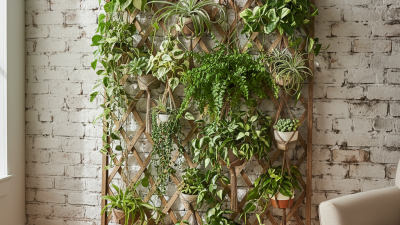
Plant wall hangings add color and life to any space. In a living room, they can create a vibrant focal point. Imagine lush green ferns cascading down a simple wooden frame. It makes the room feel inviting and fresh. You can play with various sizes of pots and plants to add texture. Consider scented herbs for added sensory appeal.
In a bedroom, cascading plants can create a serene atmosphere. Hang delicate trailing plants near windows or bedside lamps. They help soften sharp lines in modern decor. Vibrant flowers can provide a cheerful contrast against neutral walls. Don't be afraid to mix different plant types. Not everything has to match perfectly; some contrasts can be quite beautiful.
Kitchens can also benefit from plant wall hangings. Think of small pots of herbs within easy reach. They can add subtle flavors to your cooking. Arrange them in an artistic manner. It doesn’t need to be symmetrical. Sometimes, a little chaos adds character. Experimentation is key. Embrace the unpredictability of growth and design.
Incorporating Plant Wall Hangings in Home Design