Top Benefits and Ideas for Indoor Living Walls in Your Home
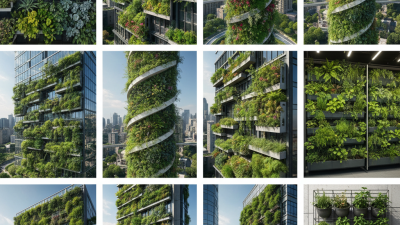
Indoor Living Walls have become an innovative trend in home design. These vertical gardens are not just visually appealing; they also offer numerous benefits. Greenery can enhance indoor air quality, reduce stress, and improve overall well-being. According to Jennifer O'Sullivan, an expert in biophilic design, "Indoor Living Walls bring nature into our homes, creating a serene environment."
Imagine a living wall filled with vibrant ferns or aromatic herbs. Not only does it provide beauty, but it can also inspire creativity. However, maintaining an Indoor Living Wall requires time and effort. It might not be simple for everyone to manage. People often underestimate the care plants need. A commitment to regular maintenance is essential for these walls to thrive.
The significance of having an Indoor Living Wall cannot be overstated. It transforms dull spaces into lively sanctuaries. Yet, it's crucial to choose the right plants and structure. This choice impacts the overall success of the project. With thoughtful consideration, Indoor Living Walls can be a stunning addition to any home.
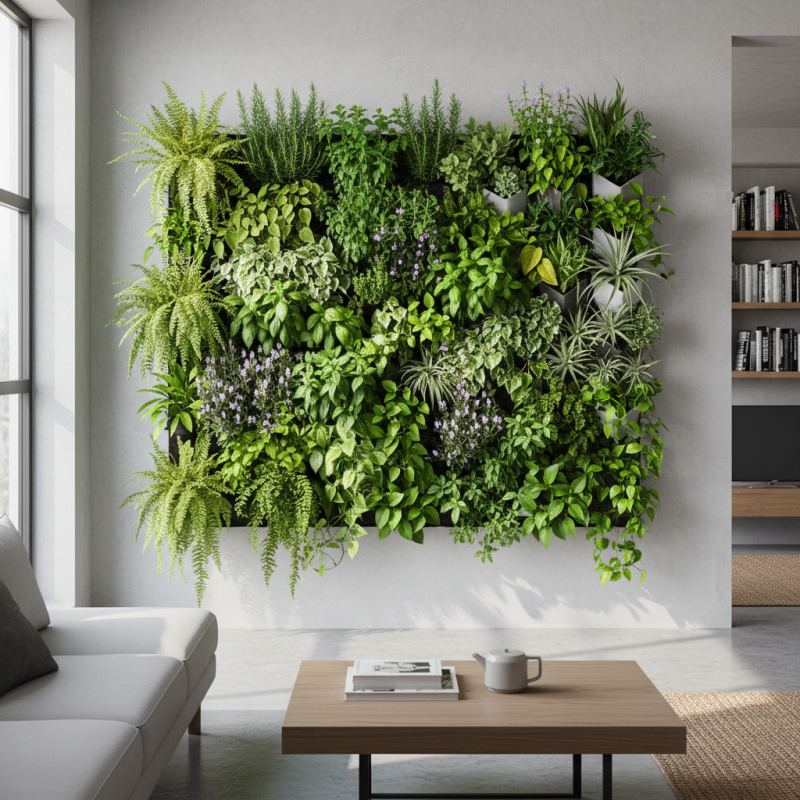
What Are Indoor Living Walls and How Do They Work?
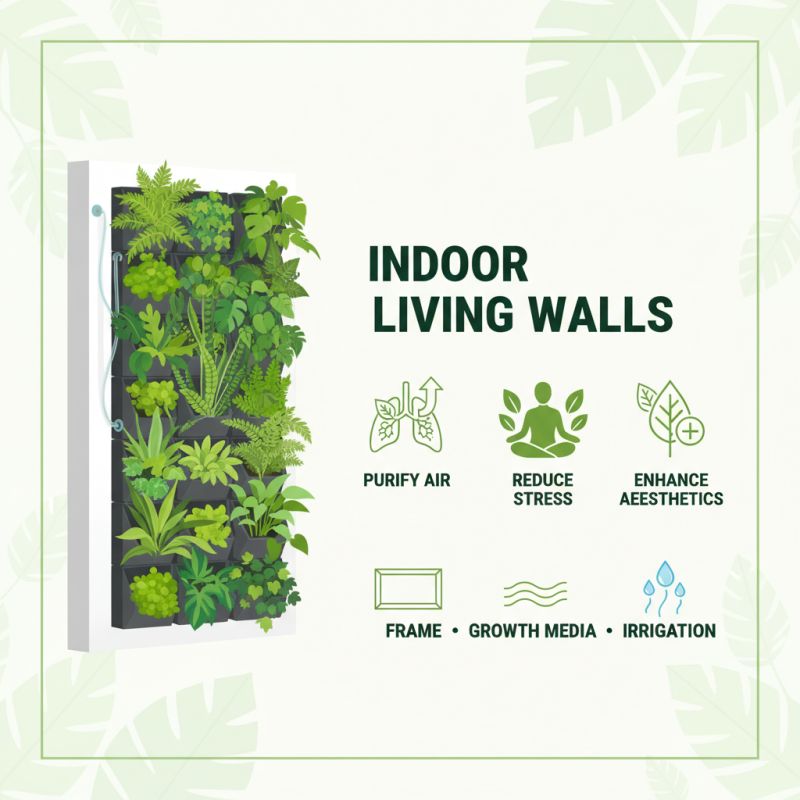
Indoor living walls are vertical gardens that bring nature inside. They consist of plants that grow on a wall structure, enhancing the aesthetics of a room. These systems typically include a frame, growth media, and an irrigation system. They purify air and can reduce stress.
Maintaining a living wall can be tricky. It requires attention and care. However, with tips, it becomes manageable. Choose plants that thrive in your home’s lighting. For beginners, use hardy varieties like pothos or ferns. Regularly check water levels. Overwatering can harm plants.
Creating a living wall can change your space dramatically. Think about the placement. A sunny corner can flourish with vibrant flowers. On the contrary, a dim area may need shade-loving plants. Challenges arise, like pest control and unexpected plant growth. Plan and adjust as needed.
Benefits of Indoor Living Walls for Health and Well-being
Indoor living walls can significantly enhance health and well-being. Studies have shown that plants improve air quality, reducing harmful toxins. According to a report by NASA, indoor plants can remove up to 87% of volatile organic compounds within 24 hours. This purification effect can create a fresher, healthier home environment.
Having a living wall can lower stress levels. A study in the Journal of Physiological Anthropology found that interacting with indoor plants can reduce psychological and physiological stress. Just a few moments spent near greenery can bring a sense of calm. However, the beauty of plants also comes with maintenance challenges. Overwatering or pest issues can lead to a sad, unhealthy wall.
Adding a living wall is an opportunity for creativity. You can select diverse plant species to create visually stunning designs. However, choosing the right plants is crucial. Not all indoor plants thrive in every condition. Some may require more light or specific humidity levels. This need for careful selection might lead to a bit of frustration, but it’s part of the design journey.
Top Benefits and Ideas for Indoor Living Walls in Your Home
| Benefit |
Description |
Plant Suggestions |
Maintenance Level |
| Improves Air Quality |
Indoor living walls can filter toxins and purify air by absorbing pollutants. |
Snake Plant, Peace Lily, Spider Plant |
Low |
| Enhances Aesthetics |
A beautiful vertical garden can serve as a stunning focal point in any room. |
Pothos, Ferns, ZZ Plant |
Medium |
| Reduces Stress |
Being around plants can significantly lower stress levels and improve mood. |
Dracaena, Rubber Plant, Fiddle Leaf Fig |
Varies |
| Increases Humidity |
Living walls can naturally increase humidity levels, benefiting skin and respiratory health. |
Boston Fern, Bamboo Palm, Areca Palm |
Medium to High |
| Noise Reduction |
Plants can absorb sound, thus reducing noise pollution within a home. |
Lady Palm, Rubber Plant |
Low |
Creative Ideas for Designing Indoor Living Walls in Various Spaces
Indoor living walls can transform any space. They bring life into homes and enhance air quality. According to a 2021 report by the International Journal of Environmental Research, indoor plants can reduce indoor air pollutants by up to 70%. This is a compelling reason to consider integrating greenery into your interior design.
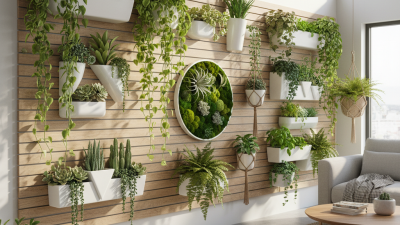
One creative idea is to use vertical gardens in kitchens. Herbs and small vegetables can flourish in bright areas, adding both visual appeal and functionality. Another option is to create a focal point in the living room with a diverse selection of plants. Using planters of varying heights can add depth. A study by NASA found that specific plants like pothos and spider plants excel at filtering air. These choices can make a space healthier and aesthetically pleasing.
However, maintaining these walls can be challenging. Choosing the right plants requires research. Some may thrive while others wilt quickly. This can lead to frustration and disappointment if not monitored closely. Ensuring proper watering and light conditions is crucial. It’s a reminder that beauty in design often requires effort and adaptation.
Plants Suitable for Indoor Living Walls: Choosing the Right Species
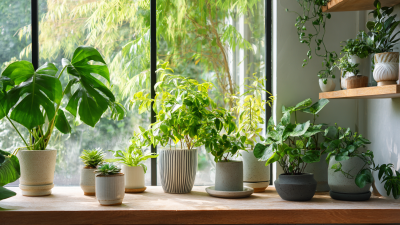
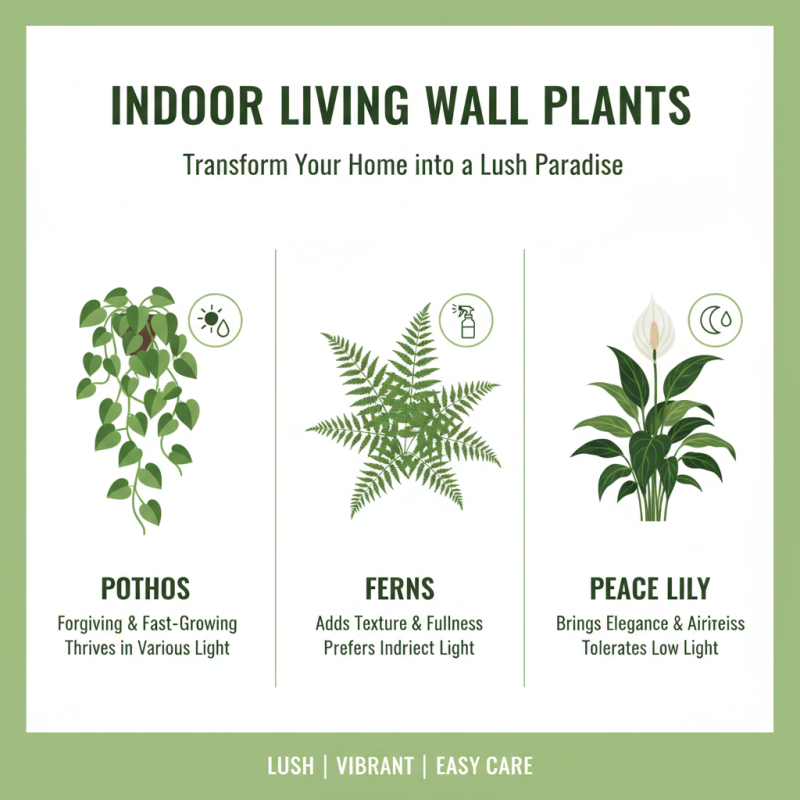
Choosing the right plants for indoor living walls can transform your home into a lush paradise. Some popular choices include pothos, ferns, and peace lilies. These plants thrive in various light conditions and can bring vibrancy to any space. Pothos, for instance, is forgiving and grows quickly. Ferns add texture, while peace lilies bring elegance.
However, not all plants suit every environment. Consider humidity levels and light exposure. For a darker room, snake plants or ZZ plants might be better choices. These options are low maintenance but still add life to your wall. Remember, some plants can be finicky. Researching plant care is essential to avoid disappointment.
You should monitor the moisture levels as well. Overwatering can harm tropical plants. Conversely, some species may dry out faster than expected. Finding a balance takes time and patience. This journey of plant selection and care can be rewarding but may require adjustments along the way. Each plant has unique needs, and understanding these will enrich your indoor living wall experience.
Maintenance Tips for Keeping Your Indoor Living Walls Thriving
Indoor living walls can transform any space. They offer beauty and improved air quality. Yet, maintaining these green wonders is essential for their longevity. Regular care makes a significant difference.
Watering is crucial. Some plants need more moisture than others. Overwatering can cause root rot, while under-watering leads to wilting. It's important to monitor soil moisture. Consider using a moisture meter for better accuracy. Fertilizing every few months can help. Use organic options to promote healthy growth.
Light is another key factor. Many indoor plants thrive in bright, indirect sunlight. However, some may require less light. Observing plant reactions to light changes is important. If leaves start to yellow, it might signal too much light. Regular pruning helps manage growth and ensures airflow. Keep an eye on pests; catching them early is vital. Even with the best intentions, some plants may struggle. Embrace the journey of learning and adapting with your living wall.