Top Indoor Living Wall Ideas for Your Home Garden Design?
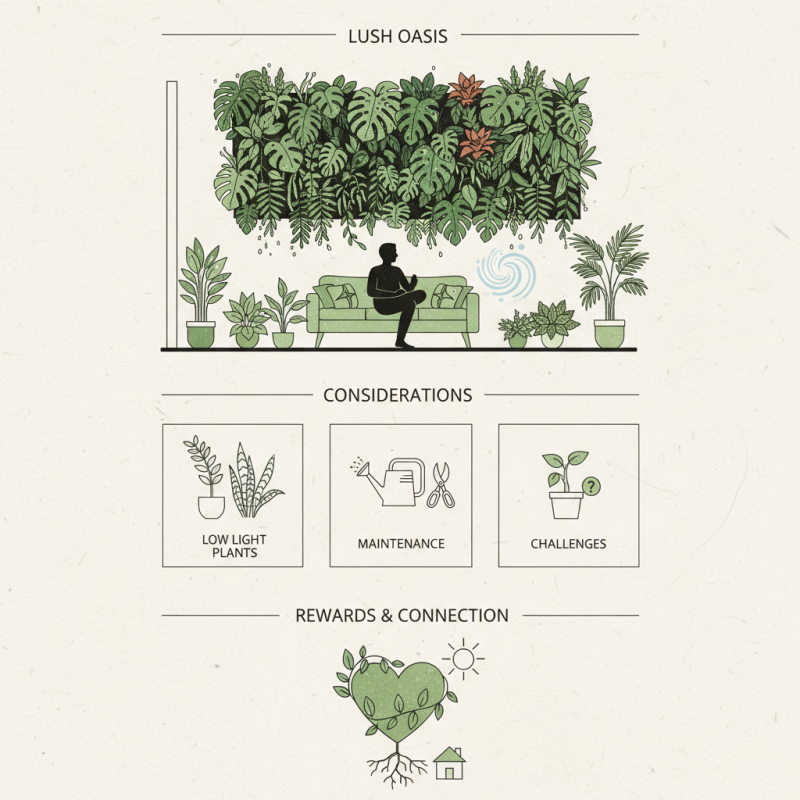
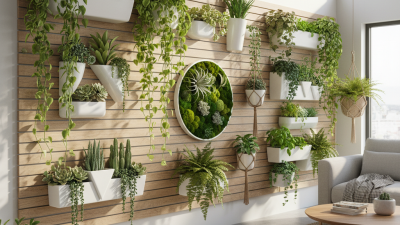
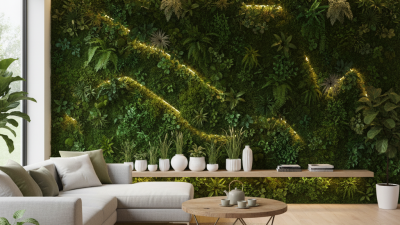
Creating an "Indoor Living Wall" can transform any space into a lush oasis. Imagine stepping into a room where greenery envelops you. The vibrant colors and textures of plants create a serene atmosphere. These vertical gardens are not only visually appealing but also beneficial for indoor air quality.
Incorporating an Indoor Living Wall can seem daunting. Where should you start? What plants are best suited for low light? Each decision requires careful consideration. A living wall demands attention and maintenance. It's easy to let it become neglected, losing its charm over time.
Yet, the rewards of a flourishing Indoor Living Wall are immense. It’s a unique expression of nature within your home. You’ll feel a deeper connection to the environment. Embracing this trend can lead to unexpected challenges, but the beauty it brings is worth the effort. Transform your living space and embrace the journey of creating a lush indoor escape.
Benefits of Indoor Living Walls in Home Garden Design
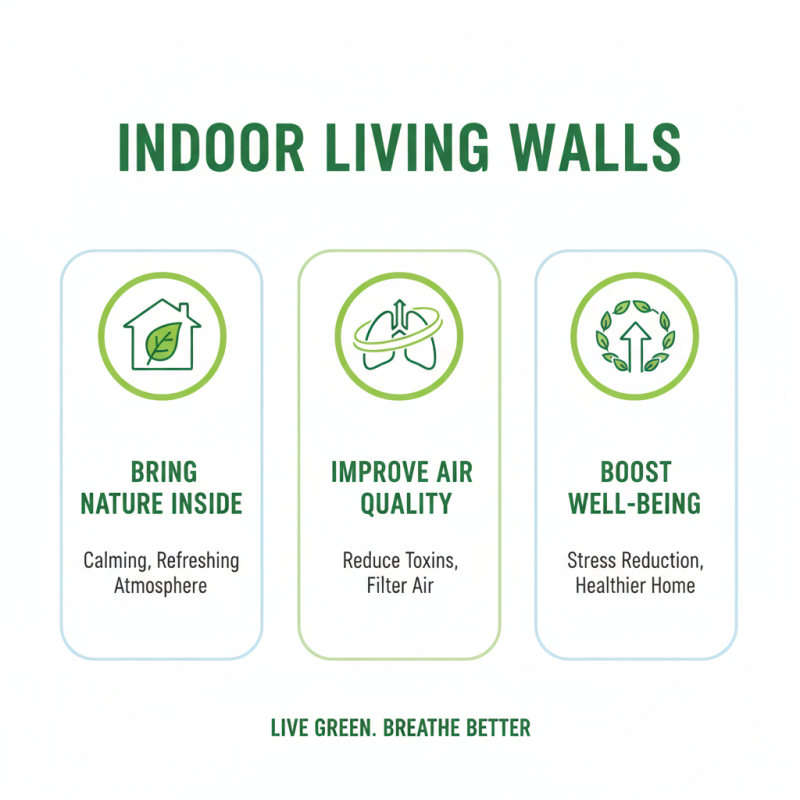
Indoor living walls have gained popularity for good reasons. They bring nature inside and create a refreshing atmosphere. The vibrant greenery can significantly improve air quality by reducing toxins. Plants naturally filter the air, making it healthier for everyone in the home.
Not only do these vertical gardens purify the air, but they also create a calming environment. Imagine walking into a room filled with lush greenery. It can instantly boost your mood and reduce stress levels. A living wall acts as a natural sound barrier, making your space feel peaceful. However, maintaining such a system can be challenging. You need to consider lighting and watering needs. Some homeowners may struggle with plant choices and arrangement.
Moreover, indoor living walls add visual interest. They can be customized to fit any style. You may need to experiment with different plants and layouts before finding what works best. There can be failures along the way, but those can lead to learning. Embracing imperfections can create unique designs. The journey of creating an indoor living wall is as rewarding as the final result.
Choosing the Right Plants for Your Living Wall
When designing a living wall, selecting the right plants is crucial. The selection can significantly impact the wall’s health and aesthetics. Studies show that living walls improve air quality by filtering toxins. They can reduce indoor pollution levels by up to 60%. Choosing plants that thrive in your specific environment makes a difference.
Consider the light conditions in your space. For bright areas, succulents or herbs work well. Some plants prefer low light, like ferns and snake plants. You might encounter challenges with overwatering or inadequate drainage. These issues can lead to plant decay. Regular monitoring of moisture levels is essential.
Tips: Use a mix of plant sizes. Layer tall plants behind shorter ones for depth. Incorporating native species promotes sustainability and minimizes maintenance. Remember to assess your wall regularly. Some plants may outgrow their space. Choose wisely, and allow your living wall to evolve over time.
Design Styles for Indoor Living Walls: Aesthetic Options
Indoor living walls are a fantastic way to integrate nature into your home. Aesthetic options abound, appealing to various design styles. Studies indicate that incorporating greenery indoors can improve air quality by up to 87% and boost mental health. These benefits prompt many homeowners to explore this design trend.
One popular design style is the vertical garden. This method uses modular panels or frames to create a lush display. It can be customized with various plants, from succulents to flowering species. A well-planned vertical garden can serve as a striking focal point in any room. However, maintenance can be tricky. Irrigation systems may clog or plants may fail to thrive if not chosen carefully. Thoughtful plant selection and proper placement are essential.
Another option is the biophilic design approach, which emphasizes natural forms and materials. This often includes organic shapes and earthy tones in planters. Using this style, you can create a calming oasis indoors. Data from the World Green Building Council shows that biophilic designs can enhance productivity by 15%. But, the arrangement matters. Ill-considered layouts might disrupt the intended flow, causing unnecessary clutter in your space. An eye for balance is crucial for maximizing the aesthetic potential of your indoor living walls.
Maintenance Tips for Healthy Indoor Living Walls
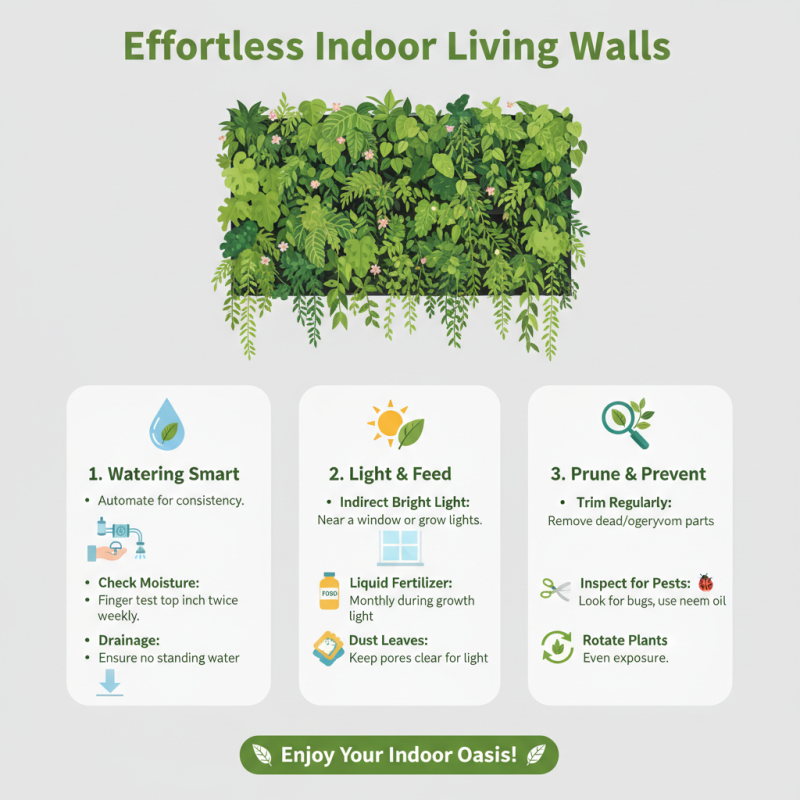
Indoor living walls offer a unique way to bring nature into your home. They can enhance air quality and provide visual interest. However, maintaining such greenery can seem daunting. It doesn’t have to be difficult with the right approach.
Watering is crucial for a healthy living wall. Too little water can dry out the plants, while too much can lead to root rot. Monitoring moisture levels is vital. A simple finger test can help: stick your finger into the soil. If it feels dry a couple of inches down, it’s time to water.
Lighting is another important factor. Most indoor plants thrive in bright, indirect sunlight. Observe how natural light moves through your space. Adjust the position of your living wall if necessary. Sometimes, you may find that not all plants flourish in the same light conditions. Experimentation is key. Regularly check for pests and diseases, as they can quickly harm your plants. If you spot any issues, address them right away.
Creative Ideas for Incorporating Living Walls in Small Spaces
Living walls are becoming popular in urban homes. These green installations bring life to small spaces. They not only enhance aesthetics but improve air quality too. According to a report by NASA, indoor plants can remove up to 87% of toxins in 24 hours. This shows how powerful they can be for health.
Incorporating a living wall in a compact area may seem challenging. However, even a corner of a room can host a vertical garden. Plants like succulents and ferns thrive in smaller settings. A living wall can utilize vertical space effectively, allowing for creativity.
Use lightweight materials to reduce stress on walls. You can mix colors and textures to create visual interest.
Consider maintenance as well. Not all plants require the same care. Some need more attention, while others are quite resilient. Choose a mix that fits your lifestyle. Regular watering and light checks are essential. Beware of potential mold growth if humidity levels are not managed. A living wall could be a perfect project after weighing the pros and cons.