What is a Green Wall and How Does it Benefit Your Space?
A Green Wall, also known as a living wall, transforms spaces into lush green havens. According to Dr. Linda Chappell, a leading expert in vertical gardening, "Green Walls create a biophilic connection that enhances our environment." These vibrant structures not only beautify a location but also offer numerous benefits.
Having a Green Wall can improve air quality significantly. Plants absorb toxins and increase oxygen levels. Furthermore, they regulate humidity, making spaces more comfortable. The aesthetic appeal is undeniable, as vibrant greens contrast stark urban elements.
Yet, creating a Green Wall is no small feat. Maintenance poses challenges. Regular watering, lighting, and plant health monitoring are crucial. Failure to maintain can lead to unsightly appearances and plant loss. For maximum benefits, careful planning and upkeep are vital. Ultimately, a Green Wall can revitalize an area but requires commitment to thrive.
What is a Green Wall?
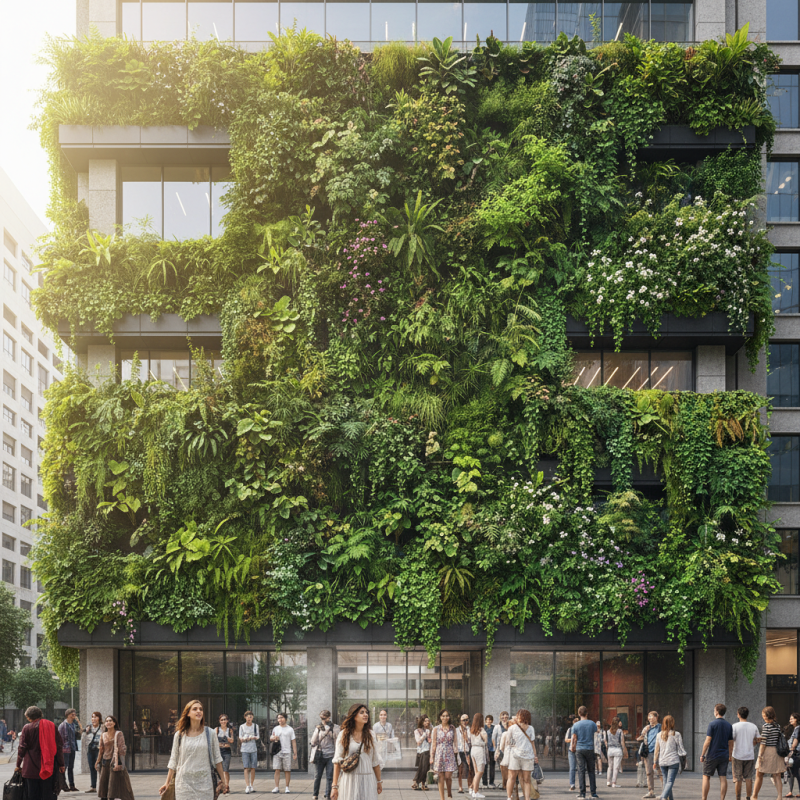
A green wall, also known as a living wall, is a vertical structure covered in vegetation. It can transform a dull space into a vibrant living environment. These walls can be installed indoors or outdoors, providing a unique aesthetic appeal. They add a splash of nature to urban settings where space is limited.
Green walls offer numerous benefits. They improve air quality by absorbing pollutants. Plants cool their surroundings, making spaces more comfortable. This enhances the overall ambiance and mood of the area. You might notice a difference in how people interact with the environment. However, maintaining a green wall can require time and effort. Regular watering and care are essential.
Tips for success include choosing the right plants. Select species that thrive in your space’s light conditions. Consider using a mix of textures and colors for visual interest. Additionally, ensure proper irrigation systems are in place. Mistakes can happen, like overwatering or not providing enough nutrients. Observing the growth and adjusting care routines is vital for long-term success. Each green wall will develop its own unique character, reflecting the journey along the way.
What is a Green Wall and How Does it Benefit Your Space?
| Dimension |
Description |
Benefits |
Examples |
| Definition |
A green wall, also known as a living wall, is a vertical garden that incorporates various plants onto a wall. |
Improves air quality, enhances aesthetic appeal, and provides insulation. |
Urban offices, public buildings, and residential spaces. |
| Design Options |
Customizable with various plant species, colors, and systems. |
Flexibility in design allows for personalized spaces. |
Artistic installations in restaurants, hotels. |
| Maintenance |
Requires regular watering, trimming, and pest management. |
Promotes healthy plant growth and longevity of the installation. |
Maintenance contracts for large installations. |
| Environmental Impact |
Acts as a natural insulator and reduces urban heat effects. |
Enhances biodiversity and contributes to urban cooling. |
Green roofs and vertical gardens in urban settings. |
| Cost Considerations |
Initial installation and ongoing maintenance costs. |
Potential cost savings on energy and increased property value. |
Long-term investment in urban design solutions. |
Components and Design of Green Walls
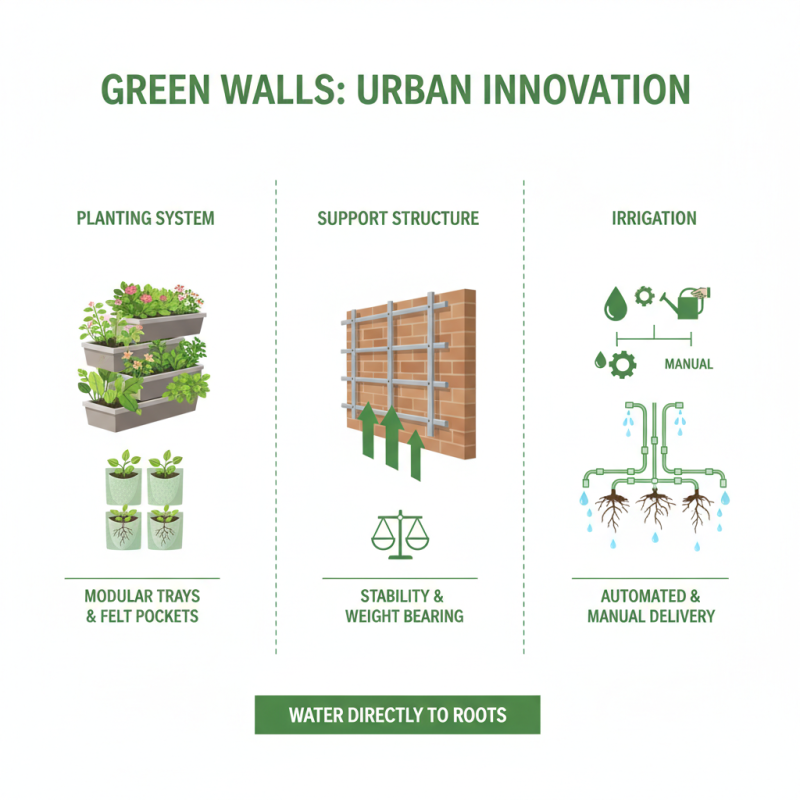
Green walls, also known as vertical gardens, are innovative solutions for urban spaces. They consist of various components including a planting system, support structure, and irrigation. A planting system often features modular trays or felt pockets to hold soil and plants. The support structure provides stability, ensuring the wall can bear the weight of the vegetation. Irrigation systems can be automated or manual, delivering water directly to plant roots.
Designing a green wall involves careful selection of plants. Consideration should be given to light conditions and climate. Not all plants thrive in vertical environments, and sometimes they fail to flourish. It’s essential to research and test different species. Some may require more maintenance than others. Choosing a mix of colors and textures can enhance aesthetic appeal. However, this can become overwhelming.
Moreover, the installation process demands attention to detail. A poorly installed wall may lead to water leaks or plant mortality. Regular upkeep is necessary to keep the wall healthy. Without this, the wall can quickly become an eyesore. Balancing design with practicality is crucial. Ultimately, a green wall should be functional and beautiful, but it requires ongoing thought and care.
Benefits of Green Walls for Interior Spaces
Green walls, also known as living walls, are vertical gardens that bring nature indoors. They consist of various plants growing on structures. These installations not only beautify a space but also offer significant benefits for interior environments.
Research indicates that greenery can enhance air quality. Plants improve indoor air by filtering pollutants. A study by NASA found that certain plants can remove up to 87% of toxic indoor air in 24 hours. Green walls also reduce noise pollution. Studies show that wall-mounted plants can absorb up to 40% of sound. This makes environments like offices and homes more peaceful.
Moreover, green walls have a positive impact on mental well-being. Being around plants can reduce stress and anxiety. A report from the Journal of Environmental Psychology highlights that just five minutes of interaction with nature can uplift mood and cognitive function. However, creating and maintaining a green wall requires commitment. Regular upkeep and appropriate plant selection can pose challenges. Not everyone has a green thumb, and plant choices can be daunting. Still, the potential rewards often outweigh the difficulties.
Environmental Impact of Green Walls
Green walls, also known as vertical gardens, have significant environmental benefits. They improve air quality by absorbing carbon dioxide and releasing oxygen. According to the Green Building Council, green walls can reduce indoor air pollution by up to 60%. This is critical in urban areas where air quality is often compromised.
Moreover, these walls can help in reducing urban heat. Studies show that green walls can lower temperatures by 5 to 10 degrees Fahrenheit. This temperature control leads to reduced energy consumption for cooling buildings. In fact, buildings with green walls require up to 30% less energy. However, the initial investment and maintenance can be a barrier for many.
Additionally, the biodiversity associated with green walls is noteworthy. They provide habitats for various species, including birds and insects. While they promote biodiversity, it’s essential to consider plant selection carefully. Not all plants thrive in wall conditions, and some may require more water than others. This can lead to unexpected challenges for maintenance. Balancing aesthetics and environmental responsibility remains a critical reflection point for the implementation of green walls.
Maintenance and Care for Green Walls
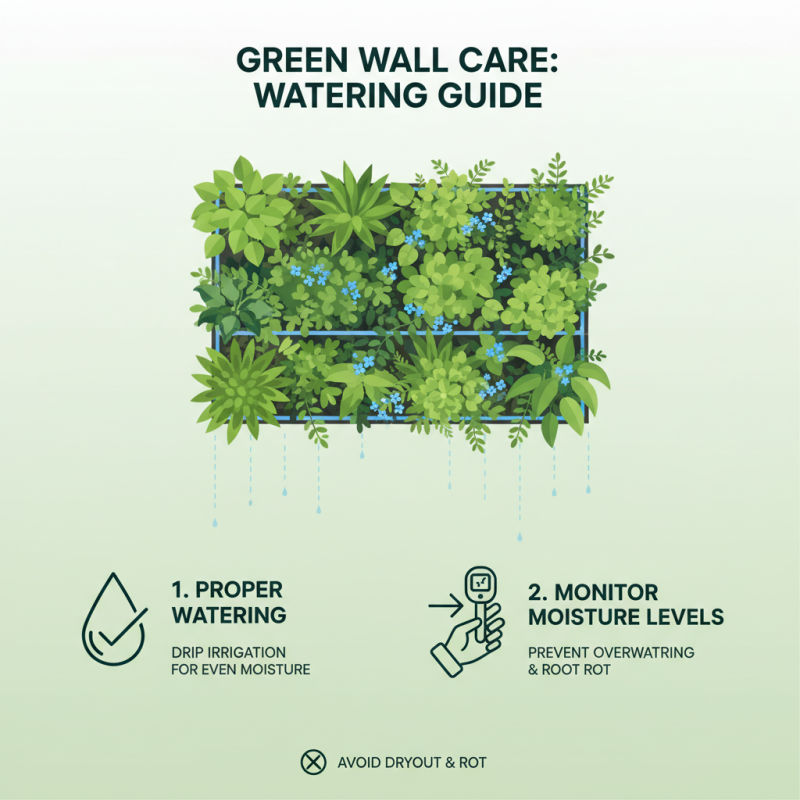
Green walls, also known as vertical gardens, need regular care to thrive. The first step is ensuring proper watering. Plants can dry out quickly. Use a drip irrigation system for even moisture. However, this requires monitoring, as overwatering can lead to root rot. Check the moisture levels regularly.
Fertilization is also essential. Use a balanced, water-soluble fertilizer every four to six weeks. This helps plants get necessary nutrients. Avoid excessive fertilizer. Too much can harm plant health and lead to salt buildup.
Tip: Regularly inspect plants for pests. Insects can compromise the wall's beauty. Look for signs like discoloration or webbing. Early detection is key to effective treatment. Incorporating some diversity in plant types can also create a more resilient garden. Each type may have different care needs, making it a challenge, but it’s worth the effort.