What is Green Artificial Grass Benefits and Uses?
Green Artificial Grass is changing the landscape of outdoor spaces. It offers many benefits that entice homeowners and businesses alike. Its vibrant color adds life to gardens, patios, and sports fields. Unlike natural grass, it requires less maintenance. People can enjoy a lush appearance year-round without the hassle of mowing and watering.
Not only does Green Artificial Grass save time, but it also conserves water. This has become increasingly important in our changing climate. Additionally, it eliminates the need for chemical fertilizers and pesticides. This makes it a safe choice for children and pets. However, some may worry about its environmental impact. It's crucial to consider the materials used in its production.
Ultimately, Green Artificial Grass is a practical solution for modern landscaping. But like any product, it has its pros and cons. Making an informed choice requires careful evaluation. Let's explore the numerous advantages and potential drawbacks of incorporating Green Artificial Grass into your environment.
Benefits of Green Artificial Grass in Landscaping
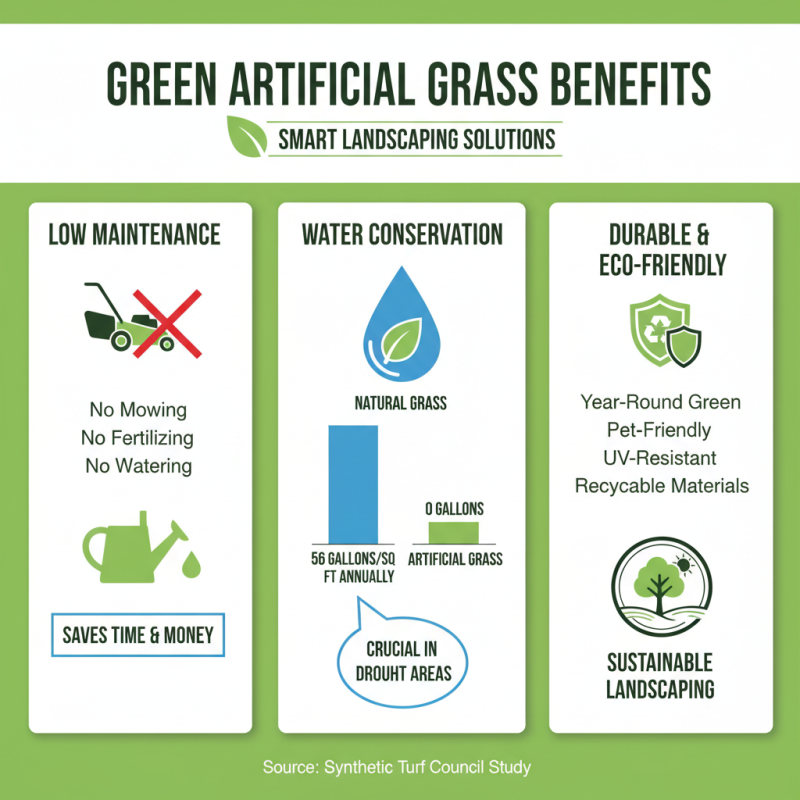
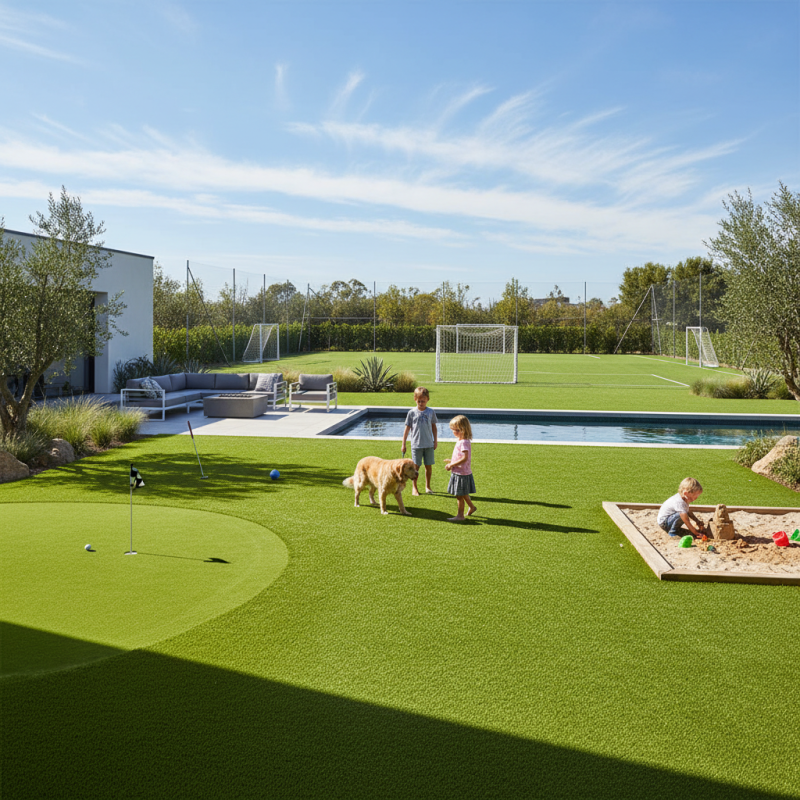
Green artificial grass is gaining popularity due to its numerous benefits in landscaping. One major advantage is its low maintenance requirements. A study from the Synthetic Turf Council noted that natural grass requires about 56 gallons of water per square foot annually, while artificial grass needs none. This substantial reduction in water usage is crucial in drought-prone areas.
Another benefit is the year-round aesthetic appeal. Natural grass can suffer from brown patches and bare spots, especially during changing seasons. In contrast, artificial turf remains vibrant and green regardless of the weather. Furthermore, it provides a safe play area for children and pets without the need for pesticides or fertilizers, making it an eco-friendly option.
**Tips:** When choosing artificial grass, consider factors like pile height and softness. Thicker blades typically provide a more realistic look. Regularly check for debris to prolong the life of your turf.
While discussing the aesthetics, one must acknowledge that not all artificial grass is created equal. Some might look artificial or feel rough underfoot. Researching different options before installation is crucial to ensure satisfaction. Additionally, be aware of potential heat retention in direct sunlight, which can make surfaces uncomfortable during hot days.
Durability and Maintenance Benefits of Artificial Grass
Artificial grass has gained immense popularity due to its durability and low maintenance. Research shows that it can last up to 15 years, drastically outpacing natural grass, which often requires constant care. The synthetic fibers resist wear and tear from foot traffic, making them ideal for high-traffic areas. A study by the Synthetic Turf Council indicates that artificial grass can reduce maintenance costs by up to 75% compared to natural turf.
While the benefits seem overwhelming, some concerns arise with artificial grass. For instance, it can become hot under the sun, which may require additional investment in cooling solutions. Concerns about drainage and drainage system efficiency can emerge, leading to potential mold growth if not installed correctly. These factors necessitate careful planning and installation to maximize the turf's lifespan and benefits.
Maintenance for artificial grass is significantly less intensive, but it is not maintenance-free. Regular rinsing to remove debris and occasional brushing to keep the fibers upright are necessary to ensure longevity. Many homeowners appreciate this low upkeep, freeing up time that can be spent enjoying their outdoor space. Balancing these maintenance needs with the benefits is essential for making an informed decision about using artificial grass.
Environmental Advantages of Green Artificial Grass
Green artificial grass offers significant environmental advantages. It reduces water consumption dramatically. Traditional lawns require regular watering, especially in dry seasons. By choosing synthetic grass, homeowners can save thousands of gallons of water each year. This conservation is essential in areas facing drought conditions.
Moreover, artificial grass eliminates the need for harmful pesticides and fertilizers. Many homeowners struggle with chemical runoff that contaminates local waterways. With synthetic turf, this issue is minimized. In addition, artificial grass helps reduce carbon footprints. No more mowing means less gasoline use and fewer emissions.
Despite these benefits, it's important to consider the longevity of synthetic grass. While it lasts for many years, it eventually needs replacement. The disposal of aging turf can present challenges. Ensuring it is recycled properly is crucial. Balancing these considerations can lead to more sustainable choices for homeowners.
Benefits of Green Artificial Grass
Green artificial grass offers numerous environmental benefits, including significant water conservation and reduced maintenance costs. This chart illustrates the primary advantages of switching to artificial grass, highlighting the positive impact it has on resource management and sustainability.
Common Uses of Green Artificial Grass in Residential Spaces
Green artificial grass has become increasingly popular in residential spaces due to its versatility and aesthetic appeal. Homeowners are choosing it for various applications, from gardens to patios. According to a recent industry report, the demand for synthetic turf has grown by 10% annually over the last five years, reflecting a significant shift in landscaping preferences.
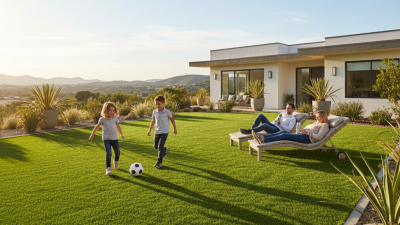
One common use of green artificial grass is in children’s play areas. It provides a safe and cushioned surface, minimizing injury risks during playtime. Many experts emphasize that this synthetic option requires less maintenance compared to natural grass, reducing labor and costs. A study revealed that families save approximately 70% on water consumption when switching to artificial grass, which supports sustainable living.
However, this material is not without its challenges. Some residents express concerns about heat retention during hot months. Additionally, the environmental impact of producing and disposing of artificial turf cannot be overlooked. It raises questions about long-term sustainability. Balancing these factors is essential when considering green artificial grass for your home.
Commercial Applications for Green Artificial Grass Solutions
Green artificial grass is making waves in various commercial sectors. Its aesthetic appeal is undeniable, providing a lush, green environment all year round. Organizations increasingly recognize the benefits of this solution, especially in landscaping, sports facilities, and urban spaces. A recent report by the Synthetic Turf Council indicates that the market for synthetic grass installations is expected to grow by 10% annually through 2025, reflecting its rising popularity.
In landscaping, businesses use green artificial grass for low-maintenance outdoor areas. Schools and playgrounds are transformed into safe play spaces. The soft surface minimizes injuries and provides comfort. However, the long-term environmental impact of synthetic materials remains a topic for discussion. While water savings are significant—up to 50% less compared to natural grass—some critics question the sustainability of its production.
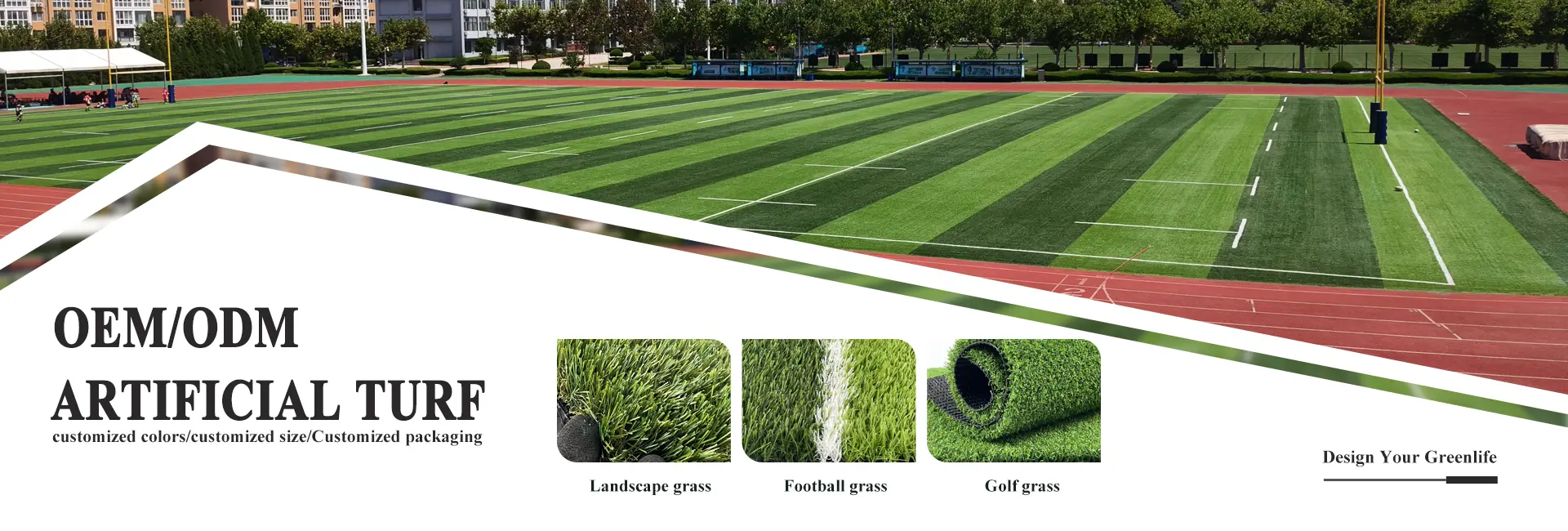
Sports facilities benefit from enhanced performance. Artificial turf provides a consistent playing surface, reducing downtime for field recovery. Many professional sports teams are opting for this grass. Yet critics argue that it can lead to heat retention issues, affecting player comfort and safety. Ongoing research is essential to address these concerns while promoting commercial use.