How to Create a Stunning Plant Wall Hanging for Your Home?
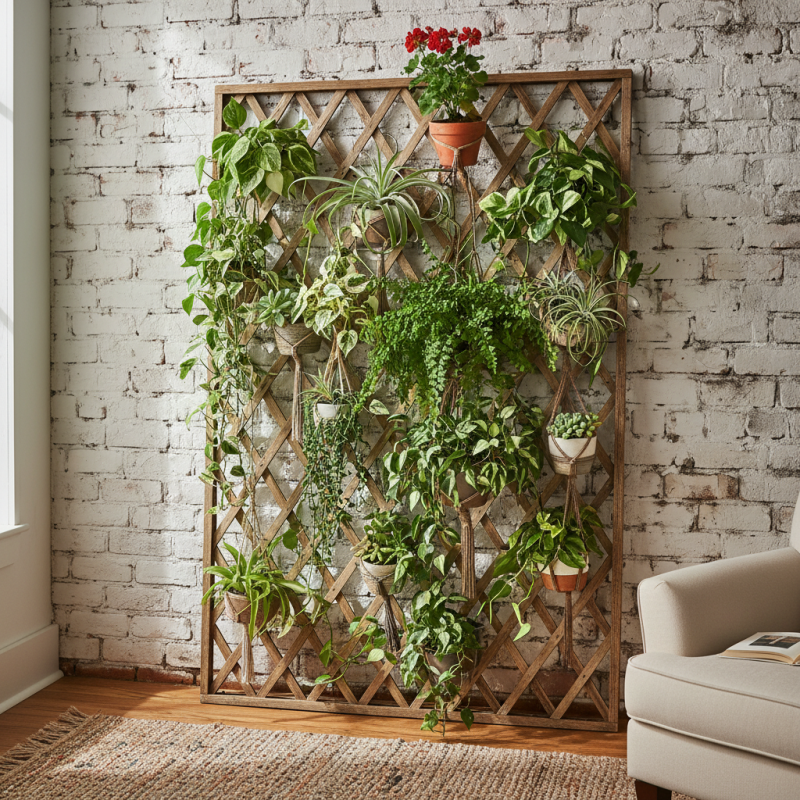
Creating a stunning Plant Wall Hanging can transform any space in your home. Imagine stepping into a room filled with vibrant greenery. It feels fresh and alive. A Plant Wall Hanging brings nature indoors, adding a unique touch.
In this guide, we will explore the art of crafting your own. Selecting the right plants is crucial. Think about light requirements and plant sizes. Not every plant fits every space. Additionally, ensure your wall can support the weight. You might need anchors or shelves for larger plants.
As you embark on this creative journey, remember that imperfections can enhance beauty. A crooked plant might tell a story, making it feel more personal. Embrace the process and learn from any mistakes. Choosing a Plant Wall Hanging is not just decor; it's about connecting with nature and yourself.
Selecting the Right Plants for Your Wall Hanging
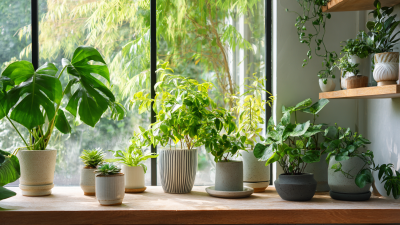
When creating a stunning plant wall hanging, selecting the right plants is crucial. Choose plants that thrive in your home’s light conditions. Consider succulents for bright, sunny spaces. For lower light areas, try ferns or pothos. These plants can add textures and colors to your arrangement.
Tips: Match plant needs. Group similar care requirements together. This will make watering and maintenance easier. If you're unsure, researching plant types can clarify their needs. It’s okay to experiment with different combinations. Sometimes, plants don’t thrive together. That can be a little frustrating, but it’s part of the process.
Consider size and growth patterns. Choose a mix of trailing and upright plants to add dimension. For example, use trailing ivy to soften edges. Don’t forget the purpose of your wall hanging. Are you aiming for a vibrant look or a calming one? Reflect on what works best in your space. It’s essential to adapt to what feels right for you, even if it means changing plants later.
Choosing the Perfect Location for Your Plant Wall
When choosing the perfect location for your plant wall, consider natural light. A bright spot is ideal. South or west-facing walls usually provide the most sunlight. If direct sunlight is scarce, opt for a location with filtered light. This ensures your plants receive enough energy to thrive.
Next, assess your wall size. A small wall may work well for smaller plants. Larger walls can handle cascading vines and varieties with dramatic foliage. Remember to choose a sturdy wall. It should support the weight of pots and soil. You don’t want to risk damage to your home.
Also, think about the room's ambiance. A plant wall can enhance relaxation in a living room or office. However, avoid cluttered spaces. Too many visual distractions can overwhelm the plants. Reflect on the plants' growth patterns, too. Some may require more space as they grow. Keep these factors in mind to create a harmonious display.
Gathering Materials and Tools for Assembly
Creating a stunning plant wall hanging begins with gathering the right materials and tools. You’ll need several types of plants, potting soil, and a sturdy frame or wall-mounted structure. Research shows that incorporating plants improves indoor air quality, enhancing your home environment. A study from NASA suggests that houseplants can reduce indoor pollutants by up to 87% in just 24 hours.
Consider using lightweight materials for your frame. A wooden or metal rack can work well. Ensure it can support the weight of the plants when matured. You’ll also need to select appropriate pots that fit your aesthetic and provide good drainage. Mistakes can happen, like selecting too heavy pots that may damage your wall.
Tip: When choosing plants, start with low-maintenance options such as succulents or pothos. They are forgiving and visually appealing. Measure your space accurately before hanging. You want to avoid overcrowding your wall.
Leave gaps for each plant to thrive without competing for light. Remember to think about watering access. It's easy to overlook when in a tight space.
Step-by-Step Instructions for Creating the Plant Wall
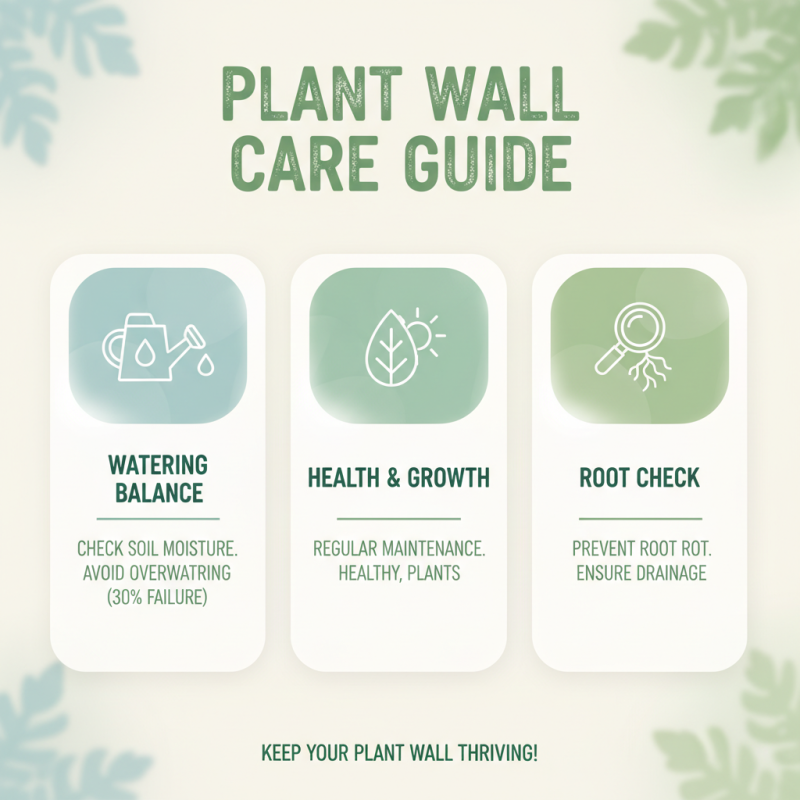
Creating a plant wall hanging can transform any space. Start by selecting the right plants. Succulents are popular for beginners. They require less water, making them easier to maintain. According to a report by the National Gardening Association, indoor gardening has increased by 30% in recent years. This trend highlights the growing interest in incorporating greenery into homes.
Once you've chosen your plants, gather materials. You’ll need a wooden frame, small pots, and hooks. Make sure to secure hooks properly. Plants need stability, or they may fall. A research study indicates that people report increased satisfaction when their living spaces include plants. However, avoid overcrowding your wall hanging, as it can lead to poor air circulation and plant health.
Take your time while arranging the plants. Experiment with different layouts before finalizing. This creative process can be frustrating, but it’s essential for achieving the desired look. Sometimes, plants may not thrive as expected. Reflecting on their placement can lead to better growth in the future. Creating a plant wall can be rewarding, but it requires patience and attention to detail.