How to Choose the Best Grass Turf for Your Lawn and Garden Needs
Choosing the right grass turf for your lawn and garden is a fundamental step in achieving a beautiful and functional outdoor space. Grass turf plays a crucial role in enhancing the aesthetic appeal of your property while providing a sustainable environment for outdoor activities. With a variety of options available, it can be overwhelming to determine which type best suits your specific needs.
When selecting grass turf, factors such as climate, soil type, and intended use must be taken into consideration. Whether you desire a lush, green lawn for family gatherings, a durable surface for pets, or low-maintenance ground cover for a garden bed, understanding these elements will guide your decision-making process. Additionally, the local climate can significantly influence the performance and longevity of various turf types, making it essential to choose wisely.
This guide aims to simplify the process of selecting the best grass turf for your lawn and garden needs. By exploring key characteristics, benefits, and maintenance requirements of different types of grass turf, you will be better equipped to make an informed choice that will enhance the overall quality of your outdoor living space.

Understanding Different Types of Grass Turf for Various Climates
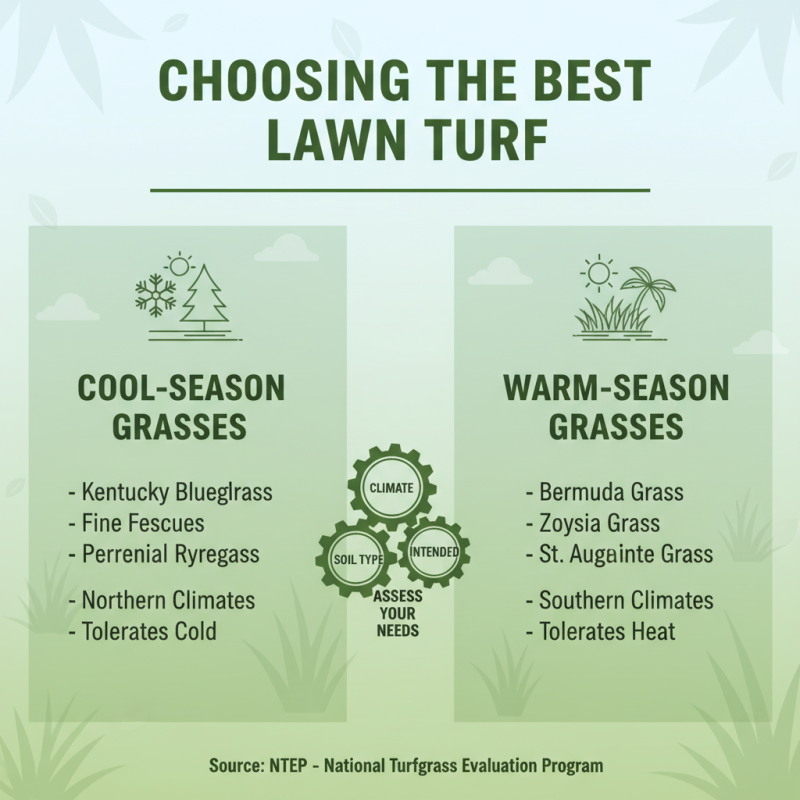
When choosing grass turf for your lawn and garden, understanding the various types of turf that thrive in different climates is crucial. According to the National Turfgrass Evaluation Program (NTEP), there are two main categories of grass types: cool-season grasses and warm-season grasses. Cool-season grasses, such as Kentucky bluegrass and tall fescue, are well-suited for northern climates where temperatures are generally cooler. These grasses thrive during the spring and fall, with optimal growth occurring when temperatures are between 60-75°F. They tend to develop a lush, green appearance but may go dormant during the hot summer months if not adequately watered.
In contrast, warm-season grasses like Bermuda and Zoysia are ideal for southern regions that experience hotter temperatures. The University of Georgia reports that these grasses flourish in the summer with optimal temperatures ranging from 80-95°F. Warm-season grasses typically enter dormancy during the colder months, making them a less appealing option for areas that experience significant winter weather. Additionally, understanding your local climate's unique characteristics, including humidity and rainfall patterns, can further guide your choice of grass. Selecting the right type of grass turf based on climate ensures a healthier lawn that is more resistant to pests and diseases, ultimately promoting sustainability and reducing maintenance efforts.
Grass Turf Types and Their Optimal Climate Conditions
Assessing Your Lawn and Garden Needs Before Choosing Grass Turf
When considering the best grass turf for your lawn and garden, it is essential to first assess your specific needs and environmental conditions. Factors such as climate, soil type, and your intended use for the lawn play a critical role in making the right choice. For instance, the National Turfgrass Evaluation Program (NTEP) reports that certain grass types thrive better in particular regions due to their adaptability to local climates. Cool-season grasses, such as Kentucky bluegrass, are recommended for northern climates, while warm-season varieties like Bermuda grass are better suited for southern areas.
Additionally, you should evaluate the traffic your lawn will experience. Research from the American Society of Agronomy indicates that lawns subjected to heavy foot traffic may require more resilient grass types that can withstand wear and tear. Choosing turf that incorporates durable species can enhance the longevity and appearance of your lawn. Soil quality also plays a significant role; a soil test can help determine pH levels and nutrient availability, guiding you to select turf that will flourish in your specific soil conditions. By taking these factors into account, you can create a landscape that not only meets aesthetic goals but also adheres to the practical needs of your outdoor space.
Factors to Consider When Selecting Grass Turf for Longevity
When selecting grass turf for your lawn and garden, longevity is a critical factor to consider. According to a report from the American Society of Agronomy, choosing the right grass variety can significantly impact the lifespan and maintenance of your lawn. For instance, cool-season grasses, like Kentucky bluegrass, thrive in northern climates and can withstand cold temperatures, while warm-season grasses, such as Bermuda grass, are ideal for southern regions. These selections are not just about aesthetic appeal; understanding regional climate adaptations can enhance durability and reduce long-term care requirements.
Soil type and local weather conditions also play a vital role in ensuring the longevity of grass turf. A study by the Turfgrass Water Conservation Alliance highlights that lawns in sandy soils tend to require more frequent watering, while clay soils retain moisture, which can lead to different grass health outcomes. It’s crucial to conduct a soil test before laying turf to determine its pH and nutrient levels. This ensures that your chosen grass type will thrive in its environment, ultimately extending its life and reducing the need for chemical interventions. By considering these factors, homeowners can achieve a robust lawn that endures the test of time while meeting their landscaping needs.
Maintenance Requirements for Different Grass Turf Varieties
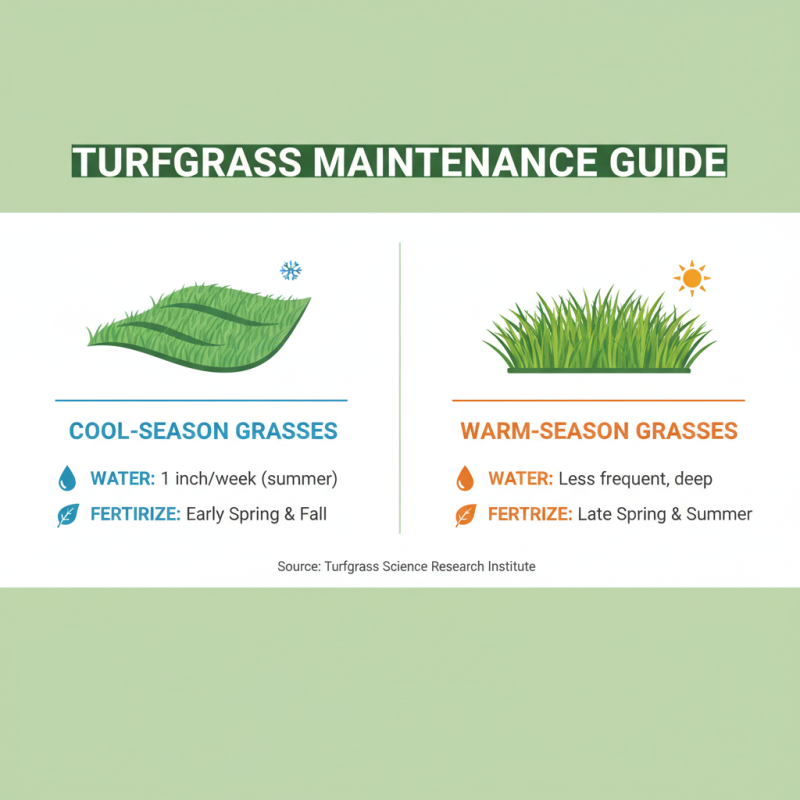
When selecting the best grass turf for your lawn and garden needs, understanding the maintenance requirements of different varieties is critical. According to the Turfgrass Science Research Institute, common grass types can be broadly categorized into cool-season and warm-season grasses, each requiring distinct care practices. Cool-season grasses, like fescue and bluegrass, thrive in northern climates and need more frequent watering and fertilization during warmer months. Research indicates that these grasses may require up to 1 inch of water per week during peak growth periods, with fertilization schedules ideally set for early spring and fall to optimize health and color.
On the other hand, warm-season grasses such as Bermuda and Zoysia are suited for southern climates and tend to be more drought-tolerant, needing less water. However, they do demand a higher level of maintenance during their active growing season in summer. Studies reveal that these grasses flourish with minimal watering once established, typically requiring only half an inch of water every week. Additionally, regular mowing and occasional aeration can enhance growth and prevent disease. By aligning your choice of grass with its specific maintenance needs, you can ensure a lush, vibrant lawn while managing time and resources effectively.
Cost Analysis: Budgeting for Grass Turf Installation and Upkeep
When budgeting for grass turf installation and upkeep, it’s essential to factor in both initial costs and ongoing maintenance expenses. The price of turf can vary significantly based on quality, type, and area size. On average, homeowners can expect to spend between $1 to $2 per square foot for materials, and installation costs can add another $1 to $2 per square foot. Additionally, keeping your lawn healthy requires ongoing investments such as water, fertilizers, and pest control, which can range from $200 to $500 annually depending on the size of your lawn.
Tips for budgeting effectively include creating a detailed plan that includes all potential costs from start to finish. Be sure to gather several quotes from local suppliers and landscaping services to ensure you’re getting the best deal. Another helpful tip is to consider seasonal discounts or package deals that may offer savings on both installation and maintenance services throughout the year. Additionally, evaluating turf types—such as natural grass versus synthetic options—can help make adjustments that fit your budgetary needs while still achieving a beautiful lawn.