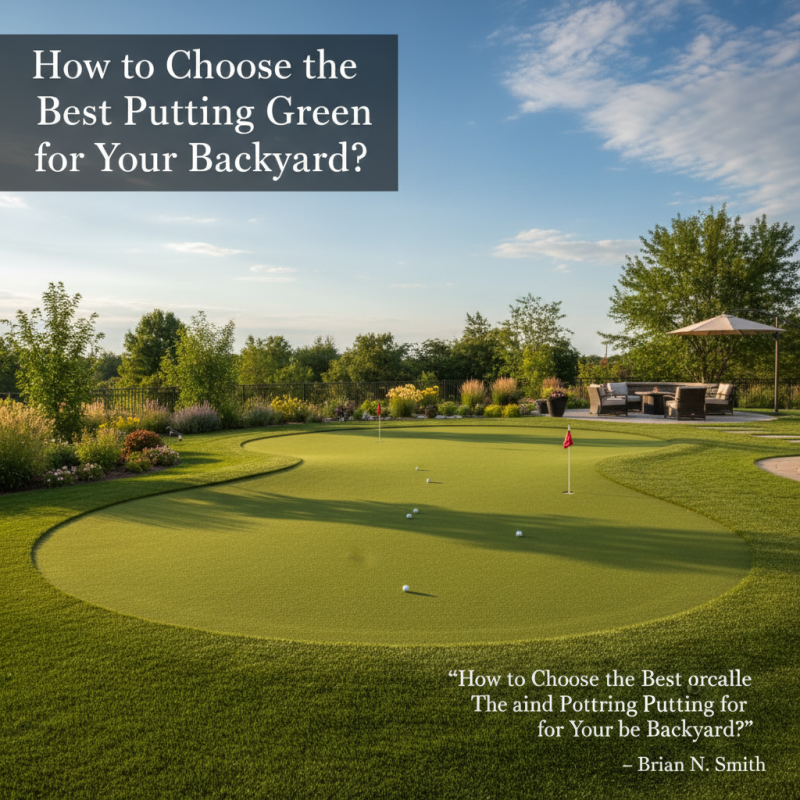
How to Choose the Best Putting Green for Your Backyard?
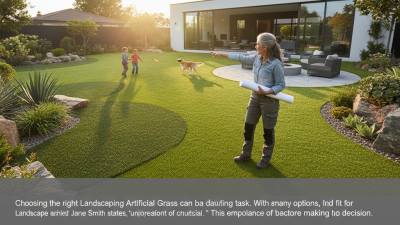
When it comes to creating an ideal backyard, selecting the right Putting Green can be a game-changer. Renowned expert in golf course design, Brian N. Smith, once said, "The perfect Putting Green transforms any space into a golfer's paradise." This notion highlights the importance of thoughtful selection.
A well-chosen Putting Green enhances not just the aesthetic but also the functionality of your outdoor area. It allows for practice, family fun, and relaxation. However, many homeowners struggle with options. The market is flooded with various materials, sizes, and designs. It's easy to feel overwhelmed.
Considering factors like available space, turf quality, and maintenance is vital. These elements significantly impact the overall experience. The journey of finding your ideal Putting Green may have its flaws and challenges. Yet, with the right knowledge and guidance, it can become a rewarding part of your outdoor lifestyle. Embrace the process, and you may uncover unexpected joys along the way.
Understanding Different Types of Backyard Putting Greens: Synthetic vs. Natural Grass
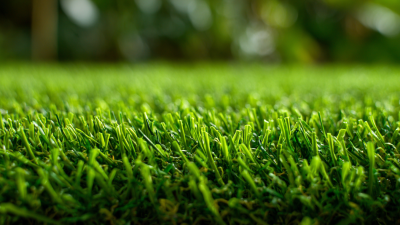
When choosing a putting green for your backyard, consider the type that best suits your lifestyle. Synthetic grass has gained popularity due to its low maintenance. It offers a consistent surface and drains well after rain. You won’t need to worry about watering or mowing. However, some find it lacks the natural feel of real grass. This might affect your practice experience.
On the other hand, natural grass requires more upkeep. It demands regular watering and mowing to keep it in shape. The feel of putting on real grass can be more satisfying. Still, pests and weather changes can pose challenges. A natural green provides an authentic feel but can be unpredictable. It's essential to weigh your options carefully.
Consider your local climate as well. Synthetic surfaces can withstand extreme conditions better than natural grass. If you live in a place with harsh winters, natural grass might not thrive. Contemplating these factors helps make a reliable decision. The right choice should reflect both your preferences and the practical aspects of maintenance.
Comparison of Backyard Putting Greens: Synthetic vs. Natural Grass
Key Factors to Consider When Choosing the Size of Your Putting Green
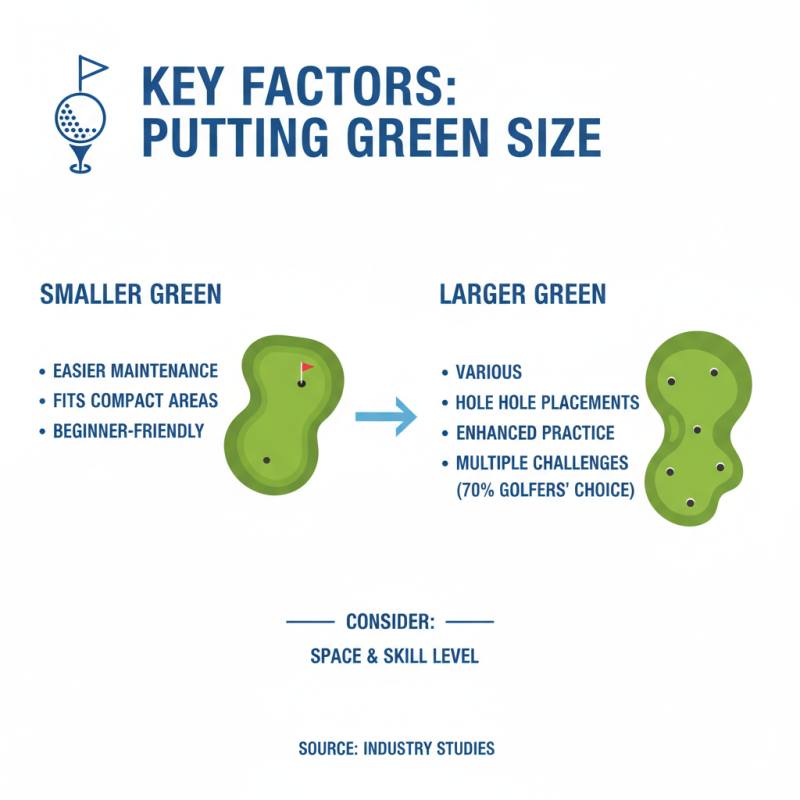
When choosing the size of your backyard putting green, consider the available space and your skill level. A smaller green is easier to maintain and fits into compact areas. However, larger greens allow for varied hole placements, enhancing practice sessions. According to industry studies, 70% of golfers prefer a green that provides multiple challenges.
The average size of a backyard putting green ranges from 500 to 1,500 square feet. A green this size allows room for a few holes and different slopes. If you have children or friends who enjoy golf, a larger green can accommodate group activities. Yet, maintaining a large green requires time and resources.
Observe your backyard's landscape. Does it have hills, trees, or other obstacles? These factors can influence your green’s dimensions. A putting green is a long-term investment, often costing from $4,000 to $15,000. Thus, reflect on how often you will use it and adjust size expectations accordingly. Having a professionally designed green often yields better results, but even a DIY project can be rewarding for golf enthusiasts. Balancing aspiration and practicality is key.
Evaluating Maintenance Requirements: Cost and Time for Different Green Types
Choosing the right putting green for your backyard involves careful consideration of maintenance requirements. Various green types come with different costs and time commitments. Natural grass greens need regular mowing and watering. This adds significant time to your maintenance schedule. Additionally, if your lawn has pests, treatment can be costly.
Artificial turf is a popular alternative. It requires minimal maintenance and no watering. However, you still need to check for debris and wear. Weigh the long-term cost of installation against the time spent on upkeep. Some homeowners regret rushing into a decision without fully understanding the implications.
Tip: Assess your lifestyle before deciding. If you enjoy gardening, a natural grass putting green may be enjoyable. Conversely, if time is tight, opt for artificial turf. Always ask about the longevity of materials in case of future repairs. Each choice has its pros and cons, so prioritize what fits your needs best.
The Importance of Surface Quality: Roll Speed and Ball Reaction Explained
When selecting a putting green for your backyard, surface quality is crucial.
Roll speed and ball reaction are key considerations.
A good surface ensures consistent performance and enhances your practice experience.
Many homeowners overlook this aspect. They might choose a beautiful green but compromise on quality.
Roll speed refers to how fast the ball travels on the surface.
Greens with slow roll speeds can frustrate practice, causing shots to feel untrue.
Conversely, overly fast greens may lead to miscalculations.
It’s essential to find a balance that suits your skill level.
Testing different surfaces helps you understand their characteristics better.
Ball reaction is another vital factor.
It defines how the ball behaves upon impact.
A quality putting surface allows for predictable ball movement.
An inconsistent reaction can hinder your technique.
Many players struggle to adjust their game due to poor surface quality.
Investing time to choose wisely pays off.
Budgeting for Your Backyard Putting Green: A Cost Analysis of Options Available
When budgeting for a backyard putting green, consider several factors. Installation costs can vary widely. If you choose natural grass, maintenance expenses will increase. Synthetic options may seem pricier upfront but often require less upkeep. Research your spending capacity to make informed choices.
Tips: Determine a realistic budget. Include not only installation but also maintenance costs. This approach helps in avoiding unexpected expenses. Consult with professionals to gather estimates. Multiple quotes will provide a clearer picture of the market.
Another consideration is the size of the green. A larger area can increase costs significantly. However, a smaller green may restrict practice options. Balance your desire for space with your available budget. Think about additional features like bunkers or fringe areas, which can escalate costs further.
Tips: Prioritize your needs over wants. Focus on essential features first. This ensures you get the most for your investment. Assess your space before committing, as this is crucial for optimal satisfaction. Engaging with experienced landscapers can help visualize your project, aiding the decision-making process.