How to Choose the Best Plastic Artificial Grass for Your Garden or Lawn
When contemplating enhancements for your garden or lawn, selecting the right type of Plastic Artificial Grass can significantly impact both aesthetics and maintenance. According to Dr. Emily Johnson, a leading expert in synthetic turf technology, “The quality of plastic artificial grass not only defines the visual appeal but also influences its performance in various weather conditions.” With many options available on the market, understanding the different styles, materials, and installation processes is critical to making an informed decision.
In recent years, the popularity of Plastic Artificial Grass has surged, driven by its versatility and long-term benefits. Unlike natural grass, artificial alternatives require less water, mowing, and fertilization, making them an eco-friendly option for homeowners looking to enhance their outdoor spaces without the ongoing commitment of traditional gardening. Furthermore, advancements in technology have led to the development of more realistic-looking and feeling products, allowing homeowners to enjoy a lush green lawn year-round.
As you embark on the journey to choose the best Plastic Artificial Grass for your needs, it is essential to consider factors such as pile height, density, and UV stability. By assessing these characteristics, you can find an option that not only meets your aesthetic desires but also aligns with your lifestyle and environmental values.
Understanding Different Types of Plastic Artificial Grass Available
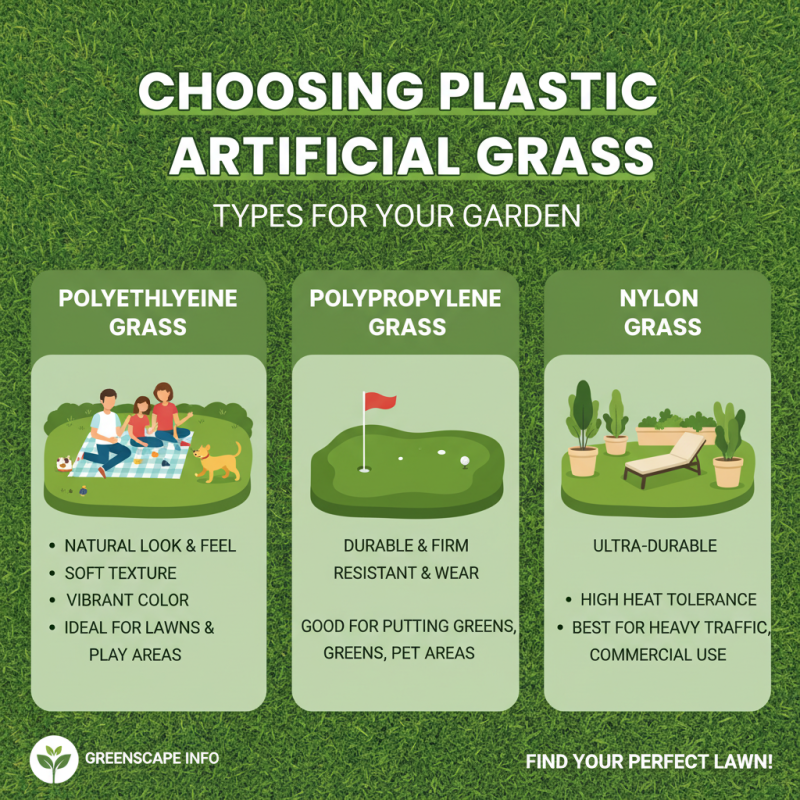
When selecting the best plastic artificial grass for your garden or lawn, it is essential to understand the different types available on the market. There are several categories of artificial grass, each designed to meet specific needs and preferences. One of the most common types is polyethylene grass, which offers a natural look and feel, making it ideal for residential lawns and play areas. Its soft texture and vibrant color can make outdoor spaces inviting and enjoyable for families.
Another popular option is polypropylene grass, which is generally less expensive than polyethylene alternatives. While it may be a budget-friendly choice, it is crucial to note that polypropylene is often less durable and may not withstand heavy foot traffic as effectively. For high-use areas, consider nylon grass, known for its strength and resilience. It can withstand severe wear and tear, making it perfect for athletic fields or areas subjected to frequent use.
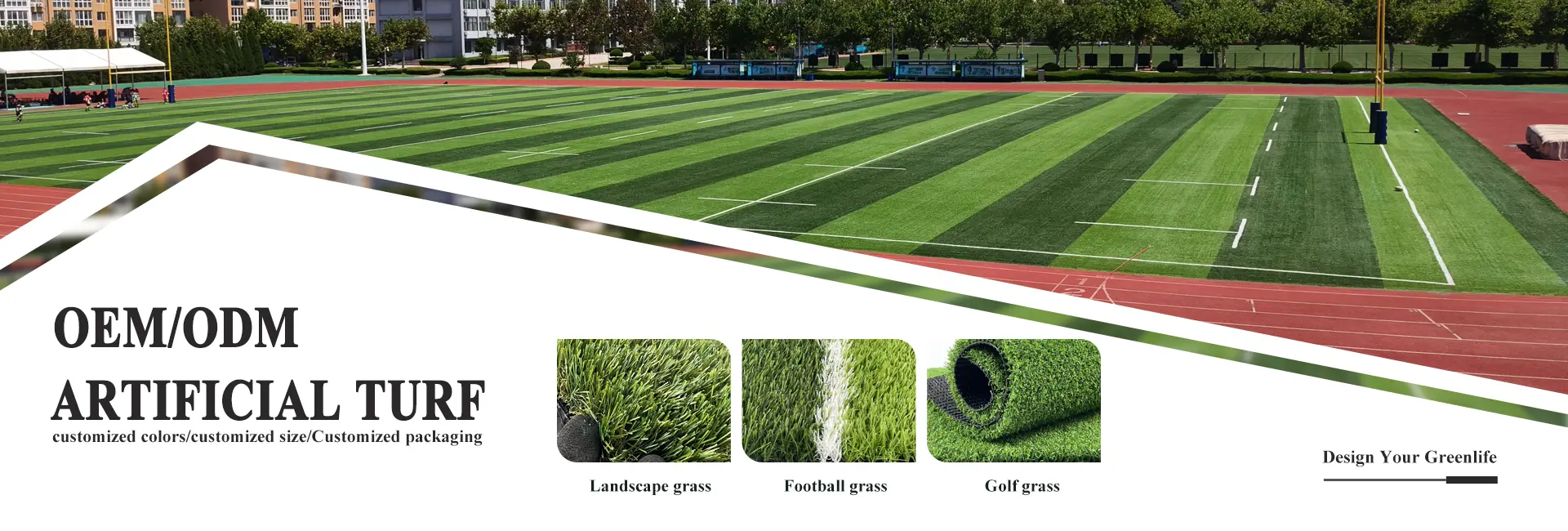
Additionally, there are specialized options like infill grass or landscape grass, which can be tailored to various landscaping designs. Infill grass often incorporates a layer of rubber or sand beneath the surface, providing cushioning and added stability. Understanding these distinctions between types of plastic artificial grass will help you select the most suitable option for your specific garden or lawn needs, ensuring a beautiful and functional outdoor space.
Evaluating the Quality and Durability of Artificial Grass Options
When choosing the best plastic artificial grass for your garden or lawn, evaluating the quality and durability of different options is crucial. Look for grass with high-density fibers, which offers better resilience and can withstand foot traffic without flattening or fading. Additionally, check the backing material; a durable, non-toxic backing enhances stability and longevity, ensuring your investment holds up against the elements.
Tips: When assessing artificial grass, consider its UV stability as well. Grass that resists fading from sunlight will maintain its vibrant color for years. Also, inquire about the warranty offered by the manufacturer. A strong warranty typically indicates confidence in the product's quality and durability.
Another important factor to consider is the infill material. Selecting the right infill can improve the performance of artificial grass, helping with drainage and providing added cushioning underfoot. Opt for infill materials that are safe for pets and children, creating a pleasant and worry-free environment for your outdoor space.
Assessing Environmental Impact and Maintenance Requirements
When choosing plastic artificial grass for your garden or lawn, it is crucial to consider its environmental impact. Many products on the market are made from recycled materials, which can significantly reduce waste and promote sustainability. However, not all artificial grasses are created equal; some may involve environmentally harmful processes in their production. It is essential to look for options that emphasize eco-friendly manufacturing practices and certifications, ensuring that they minimize negative effects on the planet throughout their lifecycle.
In addition to environmental impact, maintenance requirements play a significant role in the selection process. While artificial grass generally requires less upkeep than natural grass—eliminating the need for mowing, watering, and fertilizing—it is still important to consider the type of maintenance your chosen product may need. Some varieties might require regular brushing to maintain their appearance or periodic cleaning to prevent odors and debris buildup. Understanding these maintenance needs will help you choose an artificial grass option that aligns with your lifestyle and ensures long-term satisfaction with your outdoor space.
Comparison of Environmental Impact and Maintenance Requirements for Plastic Artificial Grass
Comparing Cost and Installation Processes for Various Choices
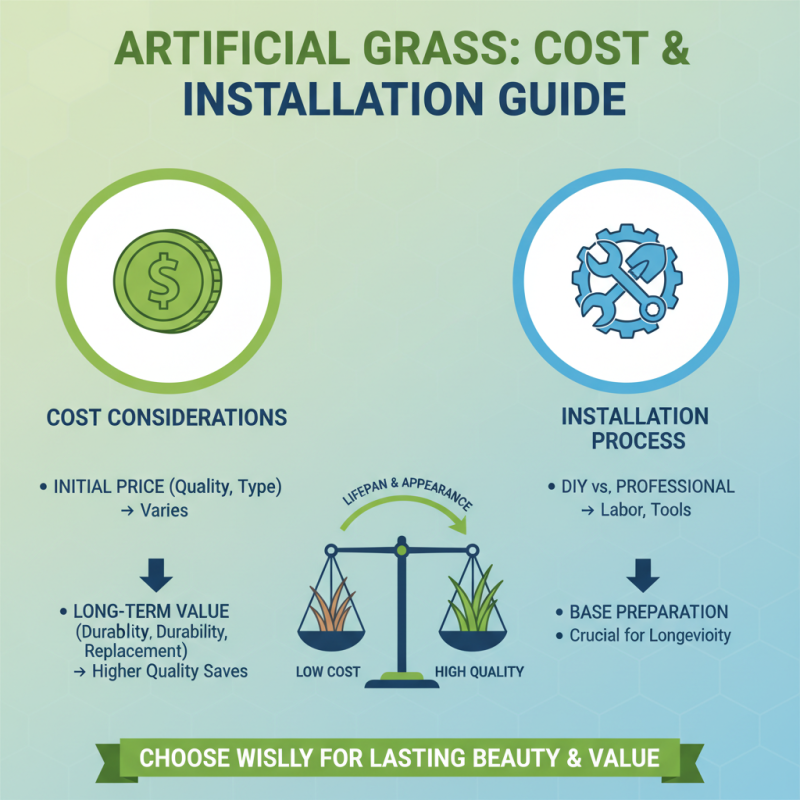
When selecting plastic artificial grass for your garden or lawn, it is vital to consider both the cost and the installation processes associated with various options. Prices can vary significantly based on the quality of the materials used and the type of grass chosen. Generally, lower-cost options might be attractive, but they could wear out more quickly or require more frequent replacement, which may lead to higher long-term costs. Conversely, investing in higher-quality artificial grass may result in an initial expenditure but can provide durability and aesthetic benefits for years.
Installation processes also differ among artificial grass types. Some options come with straightforward DIY installation kits that can significantly reduce labor costs, making them appealing for homeowners looking to tackle the project themselves. However, more premium installations might require professional help to ensure it is laid down correctly, which can add to the overall budget. It is essential to weigh these factors carefully; understanding your own preferences for ease of maintenance, lifetime value, and the skills you possess for installation will guide you in choosing the ideal plastic artificial grass for your outdoor space.
Choosing the Right Color and Texture for Your Garden Aesthetics
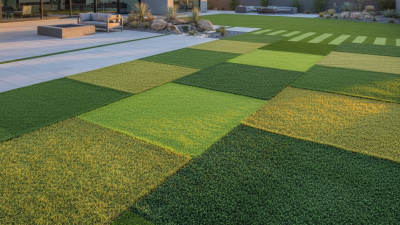
When selecting plastic artificial grass for your garden or lawn, color and texture play a pivotal role in achieving the desired aesthetic. Research conducted by the Synthetic Turf Council indicates that more than 60% of homeowners prioritize appearance when choosing synthetic grass. This highlights the importance of selecting colors that harmonize with the natural surroundings. Lush greens that mimic real grass are popular choices; however, there is an increasing trend towards unique shades like fern or olive that offer a softer look, blending seamlessly with various landscaping elements.
Texture is equally crucial in creating a realistic feel and visual appeal. According to a recent report by the American Society for Testing and Materials, the pile height and density of artificial grass significantly impact its overall look and tactile experience. Grass with a variety of blade lengths and a multi-dimensional texture can enhance the authenticity of the lawn, making it more inviting. Additionally, opting for a realistic thatch layer can further mimic the natural variations found in traditional turf, adding depth and character. With these considerations in mind, homeowners can create a stunning garden aesthetic that not only looks good but also enhances outdoor living spaces.
How to Choose the Best Plastic Artificial Grass for Your Garden or Lawn
| Feature |
Description |
Benefits |
Recommended Use |
| Color Options |
Various shades of green, brown, and other colors |
Enhances visual appeal, matches garden design |
Residential gardens, commercial landscapes |
| Texture |
Soft, lush, and realistic feel |
Increases comfort for children and pets |
Play areas, patios, backyards |
| Durability |
UV-resistant and weatherproof materials |
Long-lasting, reduces maintenance costs |
High-traffic areas, sports fields |
| Pile Height |
Ranges from 20mm to 50mm |
Affects lawn appearance and usability |
Decorative lawns, functional areas |
| Infill Material |
Sand, rubber, or organic materials |
Improves stability and cushioning |
Sports fields, playgrounds |