How to Choose the Best Garden Grass for Your Landscape?
Choosing the right garden grass is essential for a thriving landscape. It can significantly impact your outdoor aesthetics and maintenance efforts. There are many types of garden grass, each with its unique traits and requirements. Some grasses thrive in sunny conditions, while others prefer shade. This diversity offers plenty of options, but it can also be overwhelming.
Selecting the best garden grass requires a deep understanding of your environment. Factors such as soil type, climate, and sunlight will influence your choice. For instance, cool-season grasses often focus on lush growth in spring and fall. Meanwhile, warm-season grasses shine in summer but may struggle in colder temperatures.
Consider your lifestyle as well. Some garden grasses require more upkeep than others. For example, if you have kids or pets, look for durable options. These choices will withstand wear and tear. Reflecting on your landscape's specific needs will guide your decision-making process. Ultimately, taking the time to understand your options can lead to a more beautiful and functional garden.
Understanding Your Local Climate and Soil Conditions
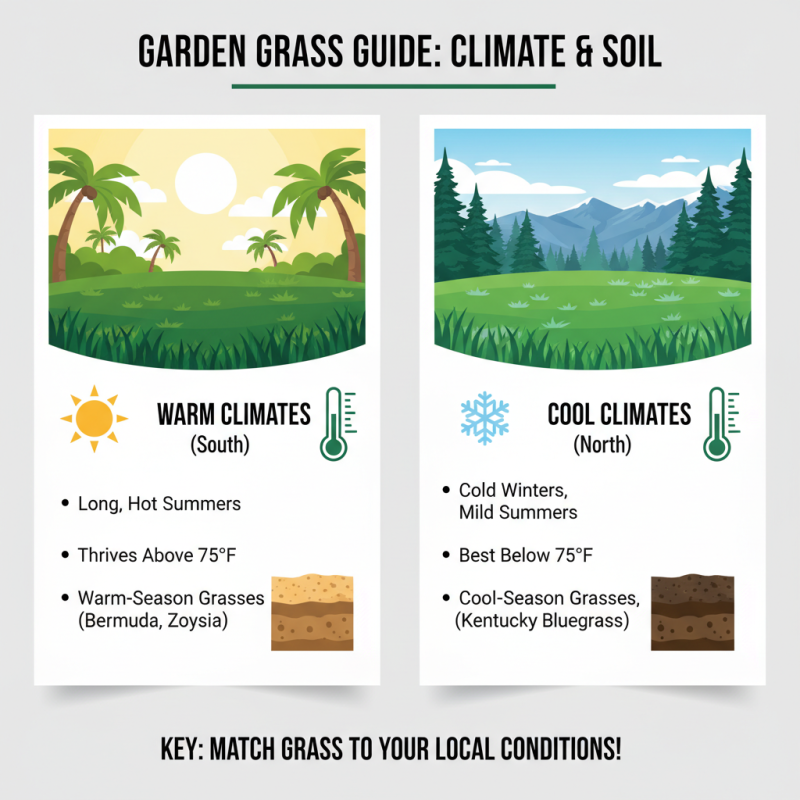
Choosing the right garden grass involves understanding your local climate and soil conditions. Climate varies widely. Some areas face hot summers, while others have cold winters. This affects grass growth and health. Warm-season grasses may thrive in southern regions, where summers are long and hot. Conversely, northern climates often favor cool-season varieties.
Soil conditions also play a crucial role. Soil type can be sandy, loamy, or clay. Each type holds moisture differently. Sandy soils drain quickly, which can be challenging for grass. Clay soils retain water but may become compacted. It's vital to test your soil's pH and texture. This information helps in selecting the right grass type.
Microclimates can further impact your choices. Areas shaded by trees may need different grasses than open, sunny spaces. Pay attention to drainage patterns in your landscape. You might face droughts or heavy rainfall. These factors influence watering needs. Keep a close eye on how your chosen grass performs in various conditions. Adjust your choices based on its success or struggles in your garden. Observing and learning from your grass can lead to a more vibrant landscape.
Identifying Different Types of Garden Grass Varieties
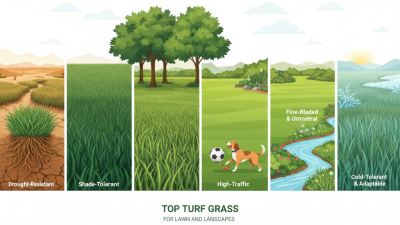
Choosing the right garden grass can be challenging. Many factors influence this decision. Identifying different types of garden grass varieties is essential for success. Popular options include Kentucky bluegrass, Bermuda grass, and fescue. Each has unique characteristics, suited for various climates and usages.
Kentucky bluegrass thrives in cooler areas. Its rich green appearance attracts many homeowners. However, it requires regular watering and maintenance. Bermuda grass, on the other hand, is drought-resistant. It grows well in warm regions and needs less care. Yet, it may struggle in cooler conditions, making it less versatile.
Fescue grass offers shade tolerance, making it suitable for partially shaded areas. This variety can adapt to diverse soil types. While fescue is resilient, it may develop patches without proper care. Choosing the right grass variety involves considering your local climate, intended use, and maintenance willing to invest. Not every type will suit every area, leading to potential challenges in achieving your desired landscape.
Evaluating Grass Maintenance Requirements and Growth Rates
Selecting the right grass for your landscape involves understanding maintenance requirements and growth rates. Different grass types have varying needs that can significantly impact your lawn's health. According to the Turfgrass Water Conservation Alliance, Kentucky bluegrass requires about 1.5 inches of water weekly, while fescue proves more drought-tolerant with only 1 inch.
When evaluating maintenance, consider how often the grass needs mowing. Cool-season grasses, like tall fescue, often require more frequent cutting during spring. Conversely, warm-season varieties like Bermuda grass typically thrive in summer heat but slow down in cooler months, resulting in less mowing.
Tip: Think about your local climate. Grass selection should align with your region's temperature and moisture levels.
Growth rates also play a crucial role. Fast-growing grasses establish quickly, leading to a lush lawn in weeks. However, they may need more frequent maintenance. Slow-growing types take longer to fill in but often prove more durable.
Tip: Test your soil before planting. Soil tests can inform you about nutrient levels, helping choose the right grass.
Each choice in grass type stages a different relationship with your landscape. Understand your yard’s unique conditions to avoid disappointments later in the growing season. Despite our best efforts, some grasses may struggle, reminding us to reassess our choices.
Grass Growth Rates and Maintenance Requirements
This chart illustrates the growth rates and maintenance requirements of various common garden grasses, helping you choose the best option for your landscape.
Assessing Foot Traffic and Usage Areas for Grass Selection
When choosing the best garden grass, foot traffic is key. Areas with heavy use, like play zones, need durable grass. Consider grass that can withstand constant pressure. Look for varieties that recover quickly from wear. This is crucial for family lawns or sports fields.
Shaded spots pose different challenges. Grass in these areas often struggles for sunlight. Select types that thrive in low light but can still handle some foot traffic. It's a balancing act between durability and adaptability. Observing the wear in your current grass can offer insights. Not all grasses are created equal; some may disappoint.
Take time to evaluate how you use your landscape. Frequent use calls for tough options. Meanwhile, ornamental grassy areas may need a softer touch. Reflect on these factors before making your final choice. The right grass can enhance your outdoor space significantly. Making a thoughtful decision leads to a healthier, more beautiful lawn.
Considering Aesthetic Preferences and Landscape Design Elements
Choosing the right garden grass involves more than just practical considerations. Aesthetic preferences are crucial. Many homeowners seek a lawn that complements their landscape design. According to the National Gardening Association, 60% of gardening enthusiasts prioritize visual appeal when selecting grass types. Vibrant green lawns add a lush feel that enhances overall beauty.
The design elements play a role as well. For example, formal gardens may benefit from tightly manicured grasses. In contrast, wildflower meadows can incorporate a more relaxed approach. Studies show that textures and colors impact our perception of space. Grasses like Kentucky bluegrass can create a uniform look, while fescue varieties offer unique textures. Balancing these elements is often challenging.
Various environmental factors further complicate the decision. Soil type, climate, and sunlight affect grass growth. The USDA highlights that certain grasses thrive in specific hardiness zones. Yet, mixing various grasses can lead to unintended consequences. It’s essential to reflect on these aspects before finalizing your choice. Taking a thoughtful approach will result in a lawn that not only looks good but also stands the test of time.