How to Choose the Best Landscaping Artificial Grass for Your Project?
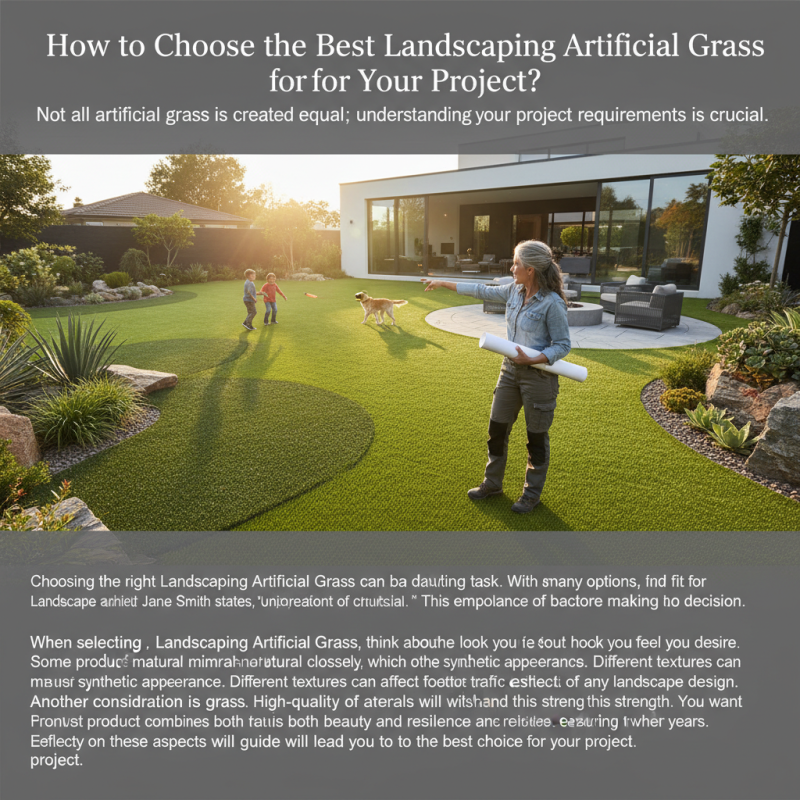
Choosing the right Landscaping Artificial Grass can be a daunting task. With so many options, it’s essential to find the best fit for your needs. Landscape architect Jane Smith states, “Not all artificial grass is created equal; understanding your project requirements is crucial.” This emphasizes the importance of considering various factors before making a decision.
When selecting Landscaping Artificial Grass, think about the look and feel you desire. Some products mimic natural grass closely, while others have a more synthetic appearance. Different textures can affect the overall aesthetic, which is a significant aspect of any landscape design.
Another consideration is the durability of the grass. High-quality materials will withstand heavy foot traffic and weather conditions. However, not all brands offer this strength. You want a product that combines both beauty and resilience, ensuring it lasts for years. Reflecting on these aspects will guide you toward a more informed decision. Expert insight and careful evaluation will lead you to the best choice for your project.
Understanding the Different Types of Artificial Grass Available
When selecting artificial grass, understanding the different types available is critical. There are several varieties, each designed for specific needs. For example, some types are ideal for high-traffic areas, while others work best for aesthetics. Consider your primary use case, whether it’s for a lawn, sports field, or playground.
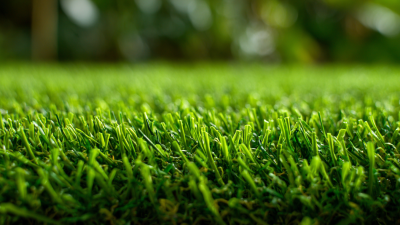
Tips: Keep in mind the grass density. A thicker, denser grass typically looks more realistic. Test how it feels underfoot, as comfort is key for children and pets. Pay attention to color too; shades should mimic natural grass.
Another aspect to consider is the backing material. High-quality backing provides better drainage and longevity. Reflect on the climate in your area; some grasses withstand heat better than others. This can influence longevity and appearance over time.
Researching your options can save you from spending on grass that doesn’t meet your needs. Gather feedback from trusted sources. Ask for opinions from professionals or others who have installed artificial grass. While aesthetics are important, functionality shouldn't be overlooked.
Artificial Grass Types Comparison
Assessing the Quality and Durability of Artificial Grass Materials
When assessing the quality and durability of artificial grass materials, several factors come into play. Firstly, the yarn texture is crucial. Together with the backing material, the texture impacts both the feel and resilience of the grass. A recent industry report indicated that turf made with polyethylene fibers tends to last longer and offers better UV resistance than other types. This evidence shows how essential fiber choice can be.
Evaluating the construction of the artificial grass is also necessary. A well-made turf has a denser weave and a stronger backing to support heavy foot traffic. According to experts, products with a higher stitch rate can wear longer. Some turfs may initially seem durable; however, prolonged exposure to elements can reveal weaknesses. The choice of infill material further influences performance. Quality infill can improve both drainage and stability. A poor choice might lead to faster degradation and undesirable odors, creating a need for frequent replacement.
It’s easy to overlook minor details that lead to larger issues later. For example, grass with a higher blade count might appear lush but could compromise drainage if not installed correctly. Industry statistics show that nearly 30% of artificial grass installations fail due to improper drainage. Hence, careful examination of drainage solutions is critical for long-lasting results. Understanding these factors can significantly impact project outcomes.
Evaluating Installation Methods for Your Landscaping Project
When considering landscaping with artificial grass, evaluating installation methods is crucial. A well-planned installation can significantly affect the final appearance and durability of your project. Some common methods include glue-down, infill systems, and floating installations. Each method has benefits and drawbacks, requiring careful consideration.
Glue-down systems provide a seamless surface. However, they can be complicated and require a level surface. Any imperfections can lead to issues later. Infill systems, on the other hand, offer cushioning and stability. But they may require regular maintenance to keep the infill in place. Floating installations allow for easier adjustments but can be less secure.
It's important to assess the specific needs of your landscaping project. Consider factors like foot traffic, climate, and aesthetics. Each installation method will yield a different outcome. Experimenting with samples can also help visualize how the grass will complement your space. Reflecting on your needs will lead you to a more satisfactory choice, enhancing both form and function in your landscape.
Considering Maintenance Requirements for Artificial Grass
When choosing artificial grass, maintenance requirements play a crucial role. High-quality options can reduce upkeep, yet some require more care than others. Think about how much time you can dedicate to maintenance. Installing a low-maintenance grass can save you time and effort. You won't need to mow or water it, which is a huge plus.
Cleaning is another factor to consider. Some types of artificial grass trap debris easily. This might lead to more frequent rinsing and brushing. A product with good drainage will help reduce buildup. Remember, though, that while some grass types are easier to clean, they might not look as realistic in appearance. Achieving that perfect look often involves extra upkeep.
In long-term use, UV resistance is also important. Artificial grass can fade over time, especially in sunny areas. However, resistant materials can offer a longer-lasting green. You may need to replace cheaper options sooner than expected. Think about the total lifecycle cost, not just the initial price. Balancing aesthetics with maintenance needs is essential for a satisfactory experience.
Calculating the Cost and Budget for Your Artificial Grass Project
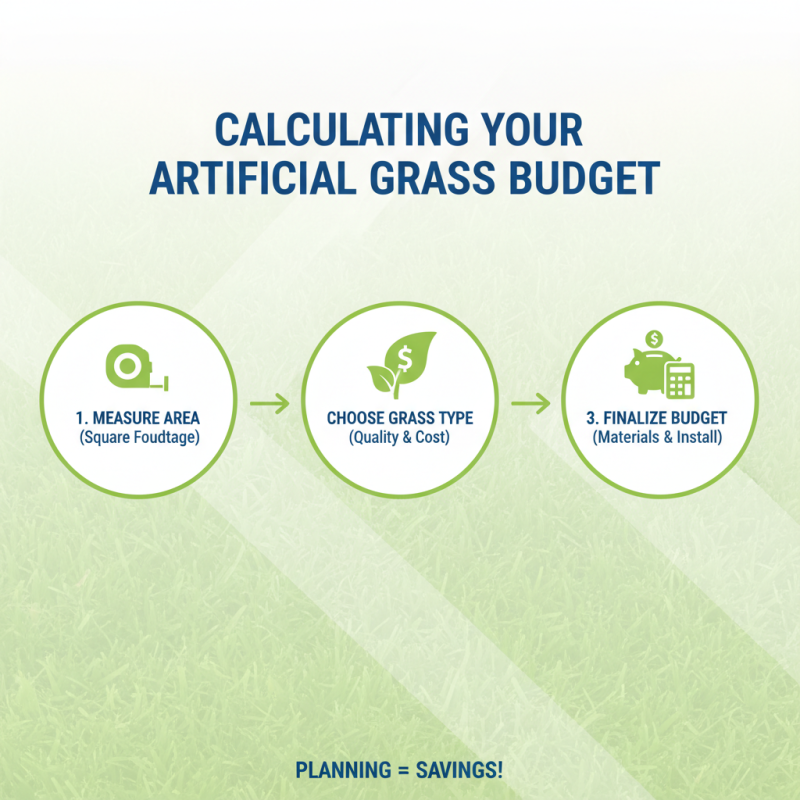
When planning your artificial grass project, budgeting is crucial. Begin by determining the size of the area that you want to cover. Measure your lawn carefully to avoid underestimating or overestimating the required materials. The cost often varies based on the quality and type of artificial grass you select. Range from economical options to premium grades that mimic natural grass closely.
Labor costs can be a major part of your budget. Consider whether you will do the installation yourself or hire professionals. DIY might save money, but it requires skill. Mistakes in installation can lead to higher costs later. Don’t forget to include expenses for base materials and tools if you choose the DIY route.
Other factors impact budget too. Drainage systems, infill materials, and landscape preparation add to costs. Compare multiple suppliers to find reliable options. It can be frustrating at times, especially with so many choices available. Take your time to research and reflect on what fits your needs and budget best.