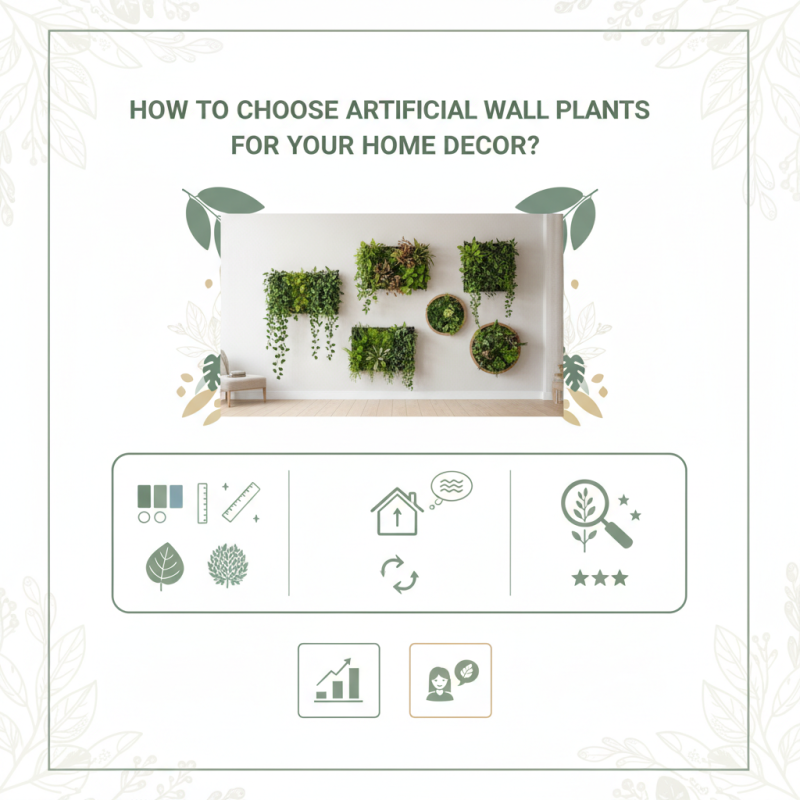
How to Choose Artificial Wall Plants for Your Home Decor?
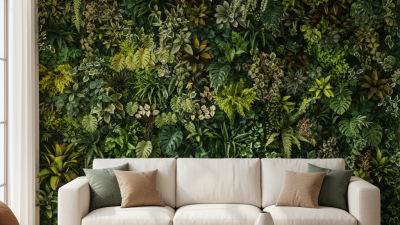
Choosing the right Artificial Wall Plants can transform a home. The growing popularity of these decor items reflects a shift towards low-maintenance greenery. According to the National Gardening Association, 78% of homeowners are interested in alternative ways to enhance interior spaces.
Renowned interior designer, Sarah Mitchell, emphasizes, "Artificial Wall Plants can evoke a sense of calm and natural beauty." This highlights their impact on atmospheres. They are versatile, suitable for any room. However, it’s vital to avoid over-cluttering spaces with too many elements.
When selecting Artificial Wall Plants, consider color, size, and texture. These factors can significantly affect the final look. Opting for high-quality products can lead to better realism. Reflect on your room's overall theme to maintain harmony. Be cautious of mismatched styles; it can create an unbalanced feel.
Understanding the Different Types of Artificial Wall Plants Available
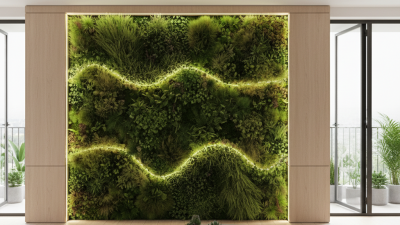
Artificial wall plants come in various types, each offering unique aesthetics and benefits. Common options include faux foliage, succulents, and floral arrangements. Faux foliage mimics leaves and vines, adding vibrancy to any room. Succulents, often used in wall art, bring a modern touch. Floral arrangements can evoke seasonal changes and create a cheerful atmosphere.
When selecting artificial wall plants, consider your space. Match the colors to your existing décor. A contrasting plant can create a focal point. Size matters too; larger pieces can dominate a wall, while smaller ones fit snugly in tight corners.
Tips: Think about maintenance. While they don’t need watering, dust can accumulate. Choose plants that are easy to clean. You might also reflect on your space's lighting. Dark corners may need brighter, more vibrant plants to lift the mood. Experiment with arrangements. You may find that mixing different types creates a dynamic visual effect.
Evaluating the Material Quality of Artificial Wall Plants
Choosing the right artificial wall plants involves careful consideration of material quality. Many options exist, but not all are made equally. According to a recent industry report, around 70% of artificial plants on the market fail to use high-quality materials. Common materials include polyester, plastic, and silk. Each has its pros and cons. For instance, polyester can be more durable, but it can also fade over time.
When evaluating these materials, look for UV protection. This is crucial if the plants will be exposed to sunlight. Research indicates that UV-protected plants can last up to 5 years longer than unprotected ones. Other factors include texture and color. Realistic textures can enhance the aesthetic, but cheap materials often lack this detail. Think about the weight of the plants, too. Lightweight options may not stand against your decor choices.
Be mindful of your overall design theme. Artificial plants that clash with your interior can stand out for all the wrong reasons. Sometimes, less is more. Investing in fewer, high-quality plants may yield better long-term results. Keep an eye on the cost-to-quality ratio. It’s tempting to opt for cheaper alternatives, but they may require replacement sooner. Ultimately, quality should take precedence over quantity.
Choosing the Right Size and Style for Your Home Decor
Choosing the right size and style of artificial wall plants can significantly enhance your home decor. According to a recent study by the American Society of Interior Designers, incorporating greenery can improve mood and wellness by up to 30%. Hence, selecting the perfect plant is essential. Measure your wall space carefully before making a decision. A large wall might benefit from a single statement piece, while smaller spaces may require clusters of smaller plants.
Consider the style of your home. A modern aesthetic might pair well with sleek, minimalist plants. In contrast, more traditional decor might suit lush, classic options. The National Institute of Health suggests that living with nature-inspired designs leads to a heightened sense of comfort. This reflects the importance of a cohesive theme. A mismatched size or style can disrupt the visual flow, making the room feel chaotic.
Remember, not every choice will be perfect. Sometimes, plants may not appear as you envisioned when hung on the wall. Reflecting on placement and arrangement is crucial. These elements contribute to how the space feels. A space that feels wrong can impact overall satisfaction. Prioritize thoughtful selections to create a harmonious environment that truly resonates with you.
Choosing Artificial Wall Plants: Size and Style Preferences
Considering Color Schemes and Themes for Integration
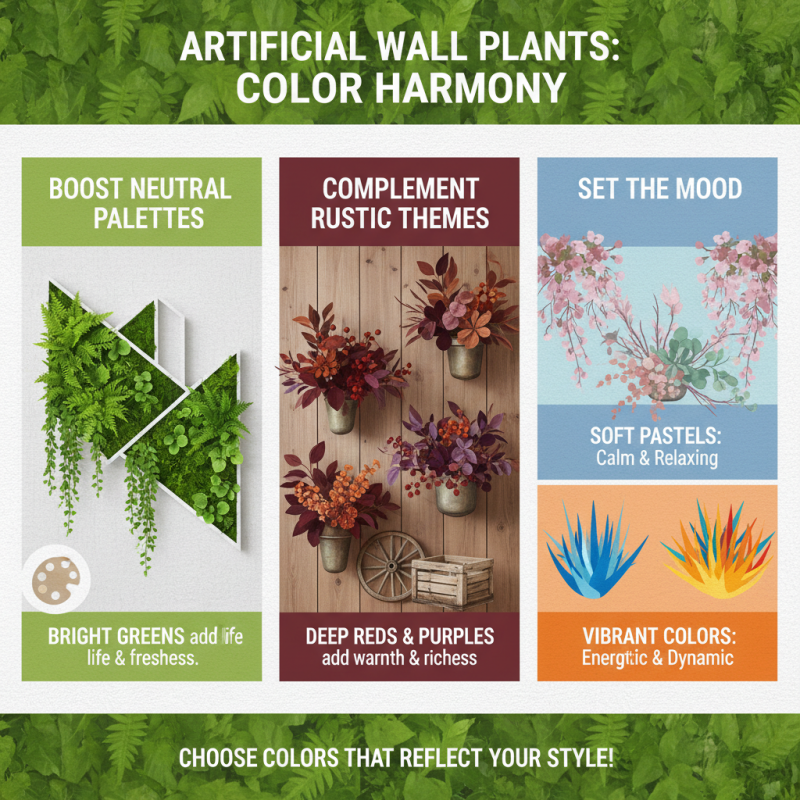
When choosing artificial wall plants, color schemes play a significant role. They should blend well with your existing decor. A bright green plant can enhance a neutral palette, adding life to your space. Conversely, deep reds or purples can complement rustic themes beautifully. Consider the mood you want to create. Soft pastels evoke calmness, while vibrant colors inject energy.
Themes are equally important in the selection process. Think about your overall interior style. A sleek, modern design might benefit from minimalist plant designs. On the other hand, a bohemian vibe invites more varied textures and colors. Reflect on how these elements interact. Sometimes, the combination may not feel right initially. Adjustments can lead to a perfect balance, even if the process feels tedious. Remember, it’s okay to experiment. Each choice contributes uniquely to your home’s atmosphere.
Maintenance and Care Tips for Artificial Wall Plants
When choosing artificial wall plants, maintenance is key to maximizing their lifespan and visual appeal. Unlike real plants, artificial varieties do not require watering or sunlight. However, they still gather dust and may fade over time. According to a 2022 industry report by the National Gardening Association, over 30% of homeowners opt for artificial plants due to their low maintenance needs.
To keep your artificial wall plants looking fresh, dust them regularly. Use a soft cloth or a gentle feather duster. For deeper cleaning, a mild soap solution can help remove any dirt. Make sure to rinse thoroughly and let them dry completely before hanging them back up.
Sometimes, the colors may dull. If so, consider using fabric-safe spray paint to restore vibrancy without replacing the entire plant. This strategy can save money and still offer a lively aesthetic in your home. Avoid placing them in direct sunlight, as this can accelerate fading. Remember, even artificial plants need care to remain stunning.