Top 10 Benefits of Synthetic Turf for Your Lawn and Playground?
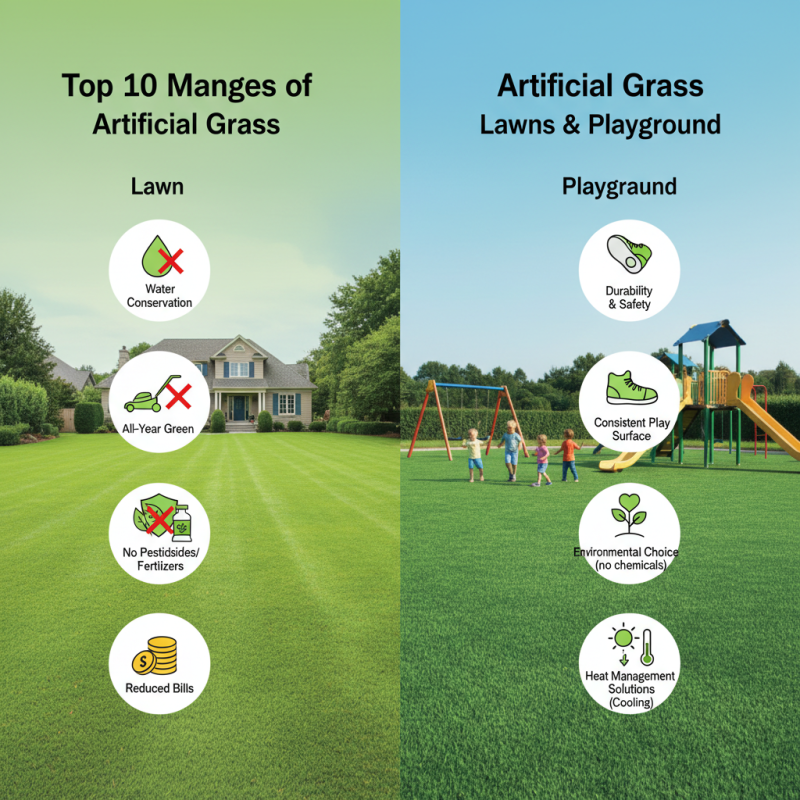
Synthetic Turf has become a popular choice for lawns and playgrounds. Many homeowners and school districts are opting for it. This choice stems from its numerous benefits. Synthetic Turf offers a vibrant, green look all year round. It requires much less maintenance compared to natural grass.
One of the significant advantages is water conservation. With synthetic turf, there's no need for regular watering. This can greatly reduce water bills, especially in dry climates. Additionally, it eliminates the need for fertilizers and pesticides. This is a crucial consideration for environmental health.
However, concerns do exist. Some worry about heat retention in warmer months. It’s essential to consider ways to cool down the surface during summer. Despite these challenges, the benefits of synthetic turf often outweigh the drawbacks. The convenience, efficiency, and aesthetic appeal make it a compelling option for many spaces.
Benefits of Synthetic Turf: An Overview of Environmental Impact
Synthetic turf offers numerous benefits for both lawns and playgrounds, particularly concerning environmental impacts. One considerable advantage is water conservation. Traditional grass lawns require significant irrigation, especially in dry seasons. In contrast, synthetic turf needs minimal water for maintenance. This saves gallons of water, reducing demand on local water supplies.
Another key aspect is the reduction of harmful chemicals. Real grass often relies on pesticides and fertilizers to thrive. These chemicals can leach into the soil and waterways. Synthetic turf, however, eliminates the need for these substances. There are fewer chemicals polluting the environment, which is beneficial for local ecosystems.
Despite its advantages, synthetic turf has its downsides. The materials can absorb heat which gets uncomfortable on hot days. Additionally, when the turf eventually wears out, disposal can become a challenge. Recycling options are limited, leading to landfill concerns. It's essential to weigh these factors when considering synthetic turf for your lawn or playground. The decision requires a balance between convenience and long-term environmental quality.
Top 10 Benefits of Synthetic Turf for Your Lawn and Playground
| Benefit |
Description |
Environmental Impact |
| Water Conservation |
Reduces water usage compared to natural grass. |
Helps preserve water resources. |
| Reduced Maintenance |
Minimizes mowing, fertilizing, and pest management. |
Lowers chemical runoff into the environment. |
| Durability |
Lasts longer than natural grass under heavy use. |
Less frequent replacement reduces waste. |
| All-Weather Use |
Can be used in all weather without damage. |
Encourages outdoor activity year-round. |
| Enhanced Safety |
Provides a consistent surface that reduces injury risk. |
Minimizes soil erosion and promotes safe play areas. |
| Aesthetic Appeal |
Maintains lush green appearance year-round. |
Promotes green spaces in urban environments. |
| Pest Control |
Reduces the presence of insects and pests. |
Decreases the need for pesticides. |
| Cost-Effective |
Saves money on water and maintenance over time. |
Reduces resource consumption. |
| Product Variety |
Offers different options for various applications. |
Encourages eco-friendly landscaping choices. |
| Sustainability |
Made from recycled materials, reducing landfill waste. |
Supports sustainable development goals. |
Cost Comparison: Synthetic Turf vs. Natural Grass for Lawn Maintenance
When considering lawn maintenance costs, synthetic turf presents an appealing option. A study by the Synthetic Turf Council shows that synthetic grass can reduce lawn maintenance costs by up to 50% compared to natural grass. This includes savings on water, fertilizers, and pesticides. Maintaining natural grass often involves regular mowing, which can cost homeowners over $1,000 annually when factoring in fuel and equipment wear.
Synthetic turf requires less upkeep. It doesn’t need to be watered, which saves an average household about 60 gallons of water per week. In drought-prone areas, this can significantly lower utility bills. Additionally, with a lifespan of up to 15 years, the long-term investment in synthetic turf offers a better value than re-sodding natural grass every few years.
However, there are caveats. Initial installation costs for synthetic turf can be high, sometimes ranging from $5 to $20 per square foot. Homeowners might be deterred by a greater upfront financial burden. It's also crucial to consider the environmental impact. While synthetic turf eliminates the use of chemicals, it is made from petroleum-based materials, raising sustainability questions. Evaluating these factors can help homeowners make informed decisions.
Cost Comparison: Synthetic Turf vs. Natural Grass for Lawn Maintenance
The above chart illustrates the annual maintenance costs associated with synthetic turf versus natural grass. Synthetic turf offers considerable savings over time, making it an appealing option for homeowners and playgrounds alike.
Durability and Longevity: Industry Data on Synthetic Turf Lifespan
Synthetic turf has gained significant traction in recent years, especially for lawns and playgrounds. One of its most compelling features is its durability. According to industry data, synthetic turf can last anywhere from 10 to 25 years, depending on the quality and type of materials used. This longevity surpasses that of natural grass, which often requires more frequent replacement and maintenance.
In addition to its lifespan, synthetic turf is engineered to withstand heavy foot traffic, making it ideal for playgrounds. Studies reveal that high-quality synthetic grass can endure up to 1 million footsteps before showing signs of wear. The infill materials used help maintain the turf's resilience. However, it is essential to note that even the best products may require periodic maintenance to ensure optimal performance. Some users have reported issues with drainage after several years. Proper installation is crucial here; a flawed base can reduce the turf's longevity.
Ultimately, while the initial investment in synthetic turf may be higher, the long-term savings on maintenance and replacement costs can be substantial. Industry reports indicate that over ten years, synthetic turf can save property owners approximately 60% on landscaping expenses. Yet, this savings comes with the need for ongoing assessments of the turf's condition and performance. Reflecting on these aspects can guide potential buyers in making informed decisions.
Safety Features of Synthetic Turf: Reducing Injuries in Play Areas
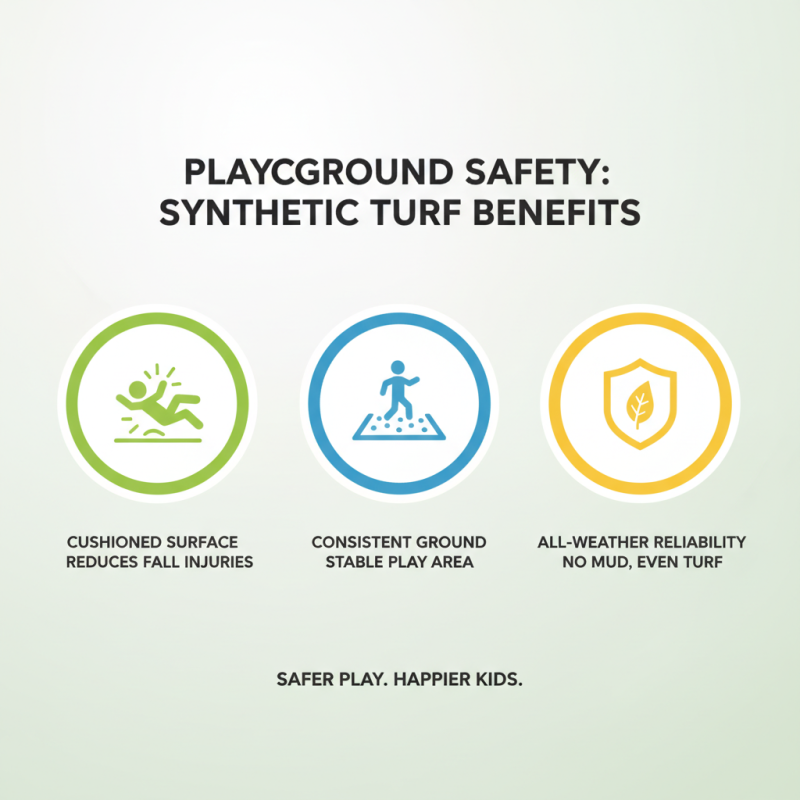
Synthetic turf has gained popularity for its safety features. Playgrounds covered with synthetic grass provide a cushioned surface. This reduces the risk of injuries during falls. Unlike traditional grass, synthetic turf remains consistent. It offers a more stable ground for children to play on.
Parents often worry about injuries in play areas. With synthetic turf, concerns over mud and uneven surfaces are minimized. Some parents noticed fewer scrapes and bumps among their children. This synthetic option also has drainage systems, reducing puddles that can lead to slips.
However, not all synthetic turfs are created equal. Some may become hot under direct sunlight. This raises questions about how safe they are on hot days. Regular maintenance is required to keep the turf clean and safe. Families need to weigh the pros and cons before making a decision. Ultimately, the choice should focus on safety and comfort for children at play.
Water Conservation: Synthetic Turf's Role in Sustainable Landscaping
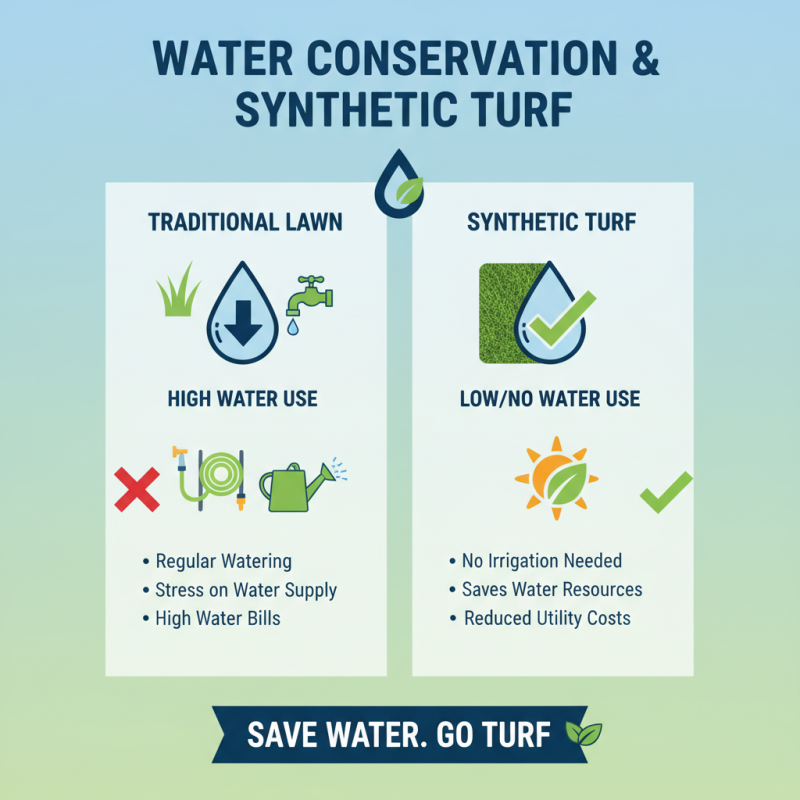
Water conservation is critical in today’s world, and synthetic turf plays a significant role in sustainable landscaping. Lawns often require substantial water resources. Traditional grass needs regular watering, especially in hot climates. Synthetic turf eliminates this need, reducing water consumption dramatically. This switch leads to less stress on local water supplies.
Moreover, synthetic turf doesn’t require fertilizers or pesticides. These chemicals can pollute local waterways, harming ecosystems. By choosing synthetic options, property owners can create a safe play environment for children and pets.
Transitioning to synthetic turf isn’t flawless. Some may argue it lacks the natural beauty of a real lawn. The feel underfoot can also be different, possibly making some users hesitant. These concerns are valid and require reflection. Balancing aesthetics and sustainability is an ongoing discussion. Embracing synthetic turf invites new questions about what it means to have a green space.