What is Synthetic Artificial Grass and its Benefits for Buyers?
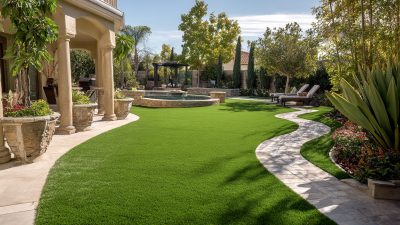
Synthetic Artificial Grass is rapidly gaining popularity among homeowners and businesses alike. According to Dr. Emily Carter, a leading expert in landscape architecture, "Synthetic Artificial Grass is not just an alternative; it’s a revolution in outdoor aesthetics." With its vibrant colors and lush appearance, this innovative product offers a viable solution for those seeking low-maintenance landscaping options.
One of the main benefits of Synthetic Artificial Grass is its durability. Unlike natural grass, it can withstand heavy foot traffic without noticeable wear and tear. It doesn’t require watering, which is a major plus in drought-prone areas. Additionally, it eliminates the need for pesticides and fertilizers, offering an eco-friendly choice for environmentally conscious consumers.
However, it's important to note that not all Synthetic Artificial Grass products are created equal. Buyers should be cautious and do thorough research. Some lower-quality products may fade in sunlight or feel too rigid underfoot. Investing in higher-quality options is essential to ensure long-lasting satisfaction.
What is Synthetic Artificial Grass?
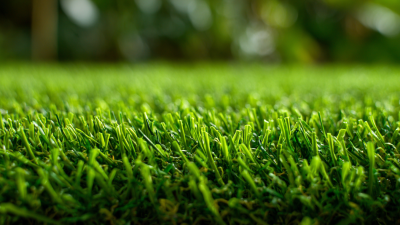
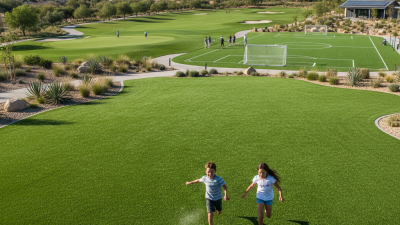
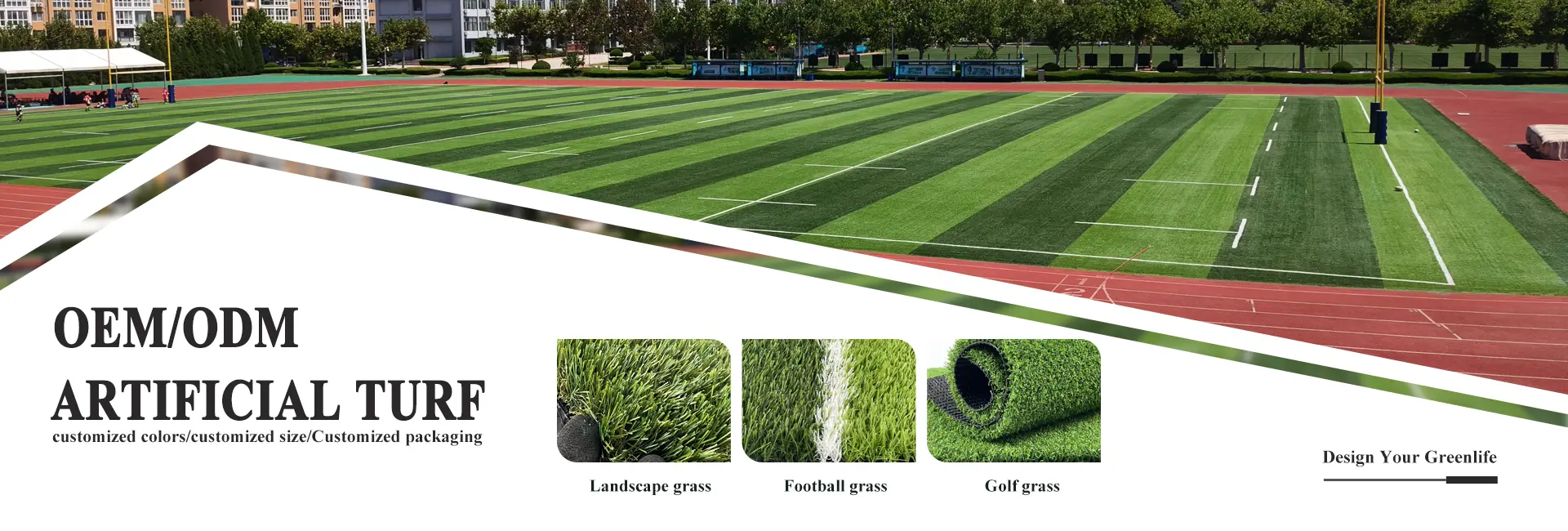
Synthetic artificial grass, commonly known as turf, has gained popularity for residential and commercial landscapes. It is made from polyethylene, nylon, or polypropylene fibers, designed to resemble natural grass. According to a report by the Synthetic Turf Council, the global artificial turf market was valued at around $2.5 billion in 2020 and is expected to grow significantly. This growth reflects the increasing preference among buyers due to the myriad benefits synthetic grass offers.
One key advantage is low maintenance. Homeowners do not need to mow, water, or fertilize, leading to reduced labor and resource costs. Reports suggest that synthetic turf can save homeowners approximately 50,000 gallons of water annually, making it an eco-friendly option. Additionally, it provides a consistent play surface throughout the year. This means fewer disruptions for children and pets who enjoy outdoor activities on the lawn.
Tip: When considering synthetic grass, examine the infill materials, as they impact durability and drainage. Not all products are created equal, and selecting a reputable source is crucial. Remember, what looks good may not always perform well. Regularly inspect your turf for wear and tear as some areas may show signs of fading or compaction. Understanding the strengths and weaknesses of synthetic grass will help in making an informed choice.
What is Synthetic Artificial Grass and its Benefits for Buyers?
| Feature |
Description |
Benefits |
| Durability |
Made from high-quality synthetic fibers |
Lasts many years without fading or degrading |
| Low Maintenance |
Requires minimal upkeep compared to natural grass |
Saves time and money on maintenance costs |
| Water Conservation |
Does not require watering |
Helps reduce water bills and supports environmental sustainability |
| All-Weather Use |
Performs well in various weather conditions |
Provides a usable surface year-round |
| Aesthetic Appeal |
Available in various colors and textures |
Enhances the visual appeal of any outdoor space |
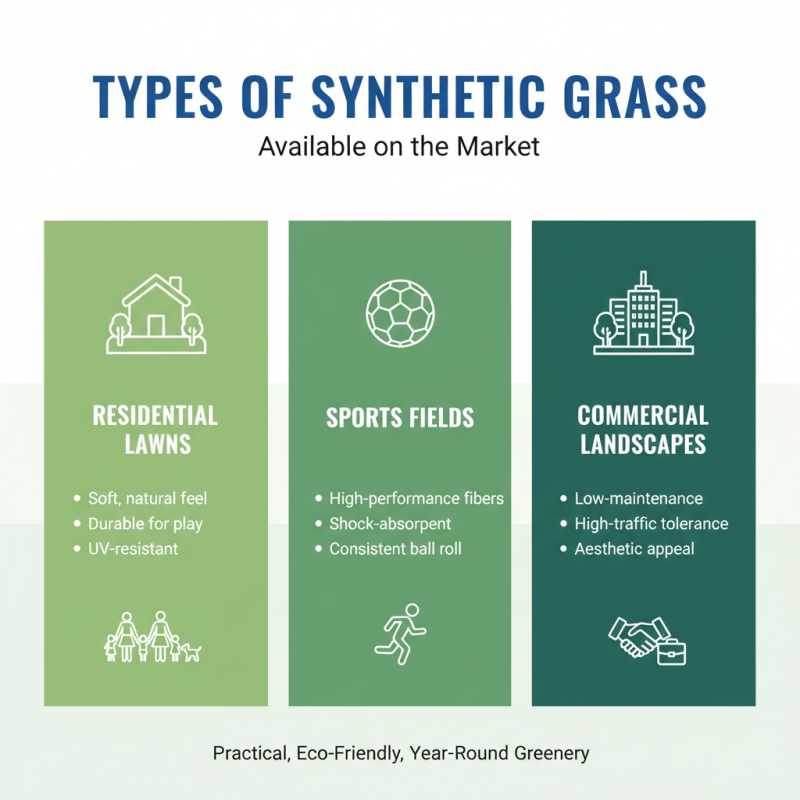
Types of Synthetic Grass Available on the Market
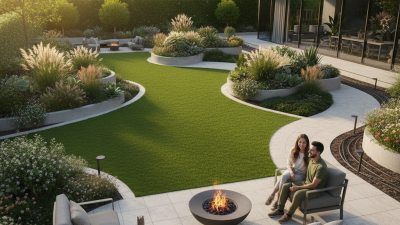
Synthetic grass has gained popularity in various sectors, including residential lawns, sports fields, and commercial landscapes. It offers a practical solution for those seeking a low-maintenance alternative to natural grass. Different types are available on the market, catering to a range of preferences and needs.
One prevalent type is polyethylene grass. It mimics the look of natural grass effectively. This type is prized for its softness and vibrant color. It suits residential yards and pet areas. Another option is polypropylene grass, which is often less expensive. However, it may not be as durable and is often used for temporary installations.
Nylon grass is also notable. It is highly resilient and durable, making it perfect for high-traffic areas like sports fields. Despite its advantages, nylon can be more expensive and may feel harsher underfoot. Each type has its unique benefits and drawbacks. Thus, buyers must weigh these factors based on their specific needs. Choosing the right synthetic grass requires careful consideration.
Key Benefits of Installing Synthetic Artificial Grass
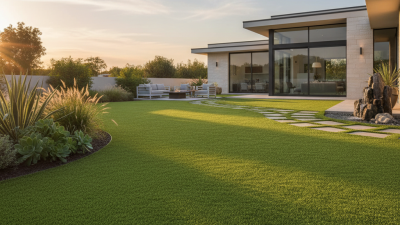
Synthetic artificial grass has gained popularity for various practical reasons. One key benefit is its durability. Reports indicate that synthetic turf can last between 10 to 25 years with proper maintenance. This longevity offers great value for buyers, reducing the need for frequent replacements. Unlike natural grass, synthetic options withstand heavy foot traffic and severe weather conditions, making them ideal for both residential and commercial spaces.
Another advantage is the low maintenance required. Homeowners save time and money without the need for watering, mowing, or fertilization. According to the Environmental Protection Agency, synthetic grass can reduce water usage by up to 55%. This is particularly crucial in drought-prone areas. It’s worth considering that while initial installation costs can be higher, savings in maintenance and water bills can lead to a favorable return on investment over time.
Tips: When choosing synthetic grass, consider the infill material. Rubber infill offers good cushioning but can retain heat. In contrast, sand can keep temperatures lower. Research different styles and colors to ensure they fit your aesthetic and functional needs. Remember that not all synthetic grass is created equal; quality and price can vary significantly. Make informed decisions to achieve the best results.
Benefits of Installing Synthetic Artificial Grass
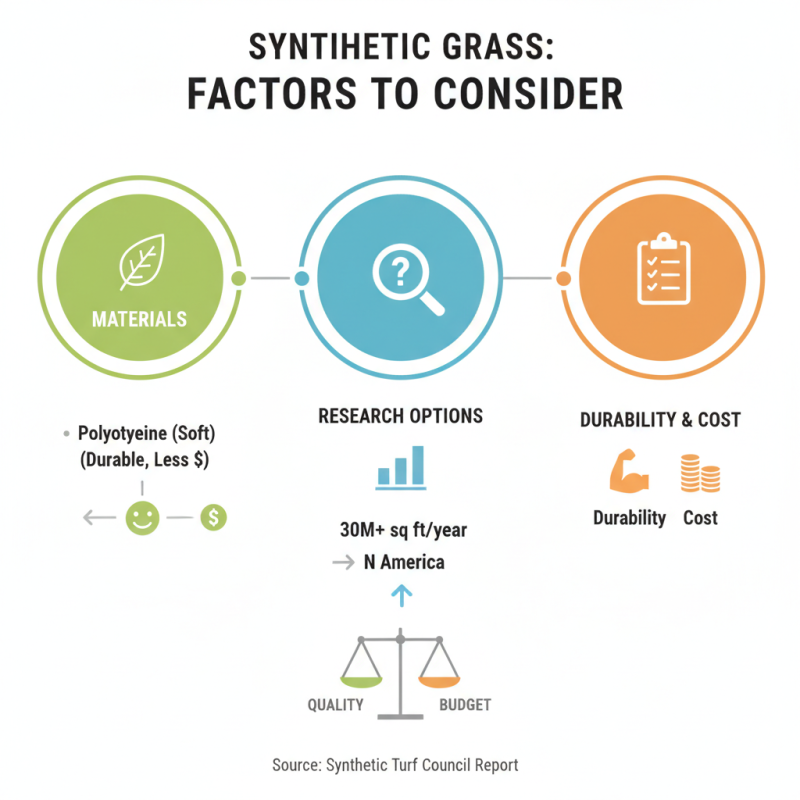
Factors to Consider When Purchasing Synthetic Grass
When considering synthetic grass, several factors come into play. Buyers must evaluate the type of materials used. Polyethylene is common for its soft texture, while polypropylene is more affordable but less durable. According to a report by the Synthetic Turf Council, over 30 million square feet of synthetic turf are installed annually in North America. This indicates a growing trend, but it’s vital to research different options to ensure the best choice.
Another key factor is the infill material, which affects drainage and stability. Rubber infill offers excellent shock absorption but may retain heat in direct sunlight. On the other hand, natural infill options like coconut fiber can be more eco-friendly. A 2021 study suggests that well-installed synthetic grass can last 15 to 25 years, depending on maintenance. This longevity can offset initial costs for buyers, but understanding maintenance requirements is crucial.
Lastly, consider the warranties offered by manufacturers. A longer warranty may indicate quality but consider potential hidden issues. According to industry experts, many synthetic grass products face premature aging or fading, which can reflect poorly on their long-term value. Careful consideration of these aspects helps buyers make informed decisions in a market where many products promise the same benefits.
Maintenance Tips for Synthetic Artificial Grass Users
Synthetic artificial grass offers a low-maintenance landscape solution. However, owners must implement effective care strategies to maintain its beauty and functionality.
Regular brushing is crucial. It helps lift the fibers, combatting flattening and debris buildup. Brush in different directions to ensure thorough cleaning, and do this every few weeks.
Inspect your installation frequently. Look for signs of wear, like fading or discoloration. Data from industry reports indicate that with proper upkeep, synthetic grass can last 15-25 years. Yet, neglect can shorten this lifespan significantly. Rinsing the grass with water can remove dust and dirt, especially after heavy rains or windstorms.
Be mindful of any spills or stains. Prompt cleaning is vital. Mild detergents can effectively address stubborn spots. Using harsh chemicals is not recommended, as they may damage the fibers. Each cleaning should enhance, not detract from, your turf’s appearance. By taking these steps, users can enjoy the long-term benefits of synthetic grass while ensuring its optimal condition.