What is Synthetic Artificial Grass and its Benefits?
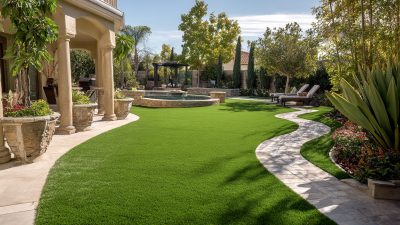
Synthetic Artificial Grass has become increasingly popular in recent years. This innovative product mimics natural grass while offering numerous advantages. Homeowners and businesses alike are discovering its many benefits.
One major appeal of Synthetic Artificial Grass is its low maintenance. Unlike natural grass, it doesn’t need mowing, watering, or fertilizers. This means time and resources are saved. Families and property owners can enjoy a green lawn year-round without the hassle. However, some may miss the feel of natural grass beneath their feet.
Another benefit is durability. Synthetic grass can withstand heavy foot traffic. Parks and sports fields thrive with this material. Yet, it’s important to consider the environmental implications. While it requires less water, the production process remains a point of concern. In weighing the pros and cons, consumers should carefully reflect on their choices.
Definition of Synthetic Artificial Grass
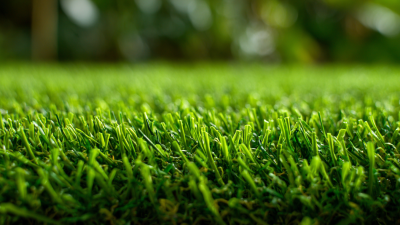
Synthetic artificial grass is a man-made surface designed to mimic the look and feel of natural grass. It’s not a new concept; many sports fields and recreational areas have employed it for decades. The material is usually made from synthetic fibers, often polyethylene or polypropylene, creating a durable and weather-resistant surface.
Its primary appeal lies in its low maintenance. No mowing, watering, or fertilizing is needed. This can save homeowners time and resources. However, the initial installation cost can be a concern for many. Environmental implications are a topic of heated debate. While it consumes less water, it may contribute to plastic pollution.
Synthetic grass also offers aesthetic advantages. It remains green and vibrant year-round. Pets love it too, but some people find its texture less inviting. In places with heavy foot traffic, it holds up better than natural grass. Yet, the heat of summer can make walking on it uncomfortable. Overall, synthetic grass has its pros and cons that warrant reflection before choosing.
Materials Used in Synthetic Artificial Grass Production
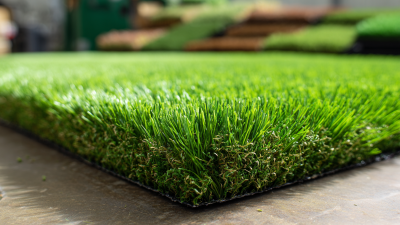
Synthetic artificial grass is designed using various materials to create a lifelike appearance. The production process typically starts with polyethylene, which gives the grass its soft texture. This material is often chosen for its UV resistance, ensuring the grass retains its color over time.
In addition to polyethylene, other materials like polypropylene and nylon may be used. Each has its own unique properties. For instance, nylon is more durable but can feel stiffer compared to polyethylene. Rubber backing is also common, providing excellent drainage and stability.
While synthetic grass is convenient, its production raises some questions. The environmental impact of plastics is significant. How long will these materials last? Will they degrade over time? These concerns require thoughtful consideration as the use of synthetic grass continues to grow.
Comparison of Synthetic Grass with Natural Grass
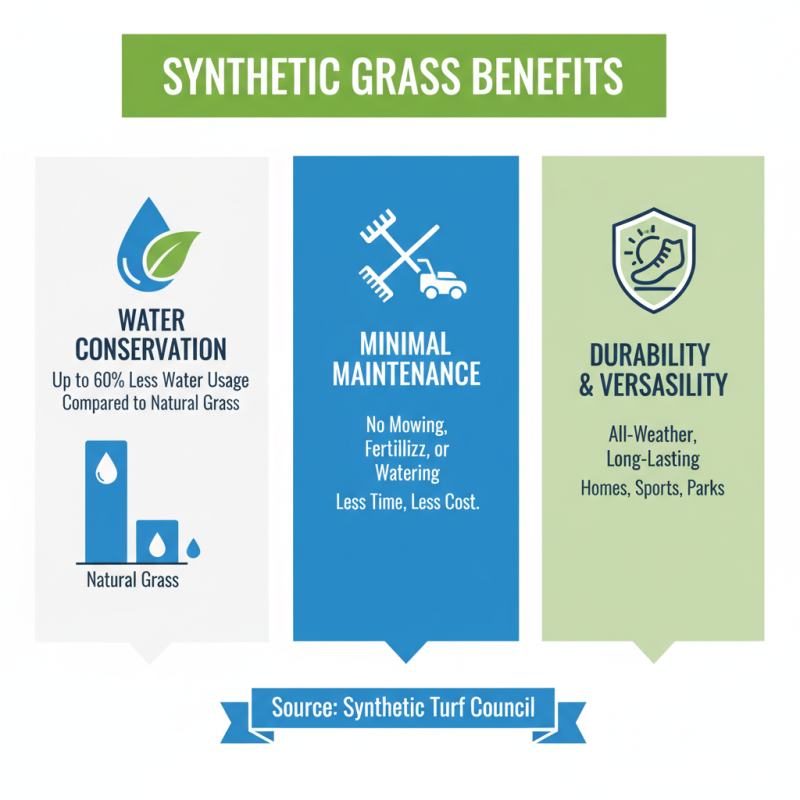
Synthetic artificial grass has gained popularity for various applications. It offers unique advantages over natural grass that make it appealing for homeowners, sports facilities, and parks. One significant factor is maintenance. Synthetic grass requires minimal upkeep and less water. A report from the Synthetic Turf Council indicates that synthetic grass can reduce water usage by up to 60% compared to its natural counterpart.
On the other hand, natural grass offers benefits as well. It can provide a cooler surface and has environmental advantages, like carbon absorption. However, it demands regular mowing, watering, and pest control. The environmental impact can be mixed, as natural grass may require chemical fertilizers that could affect local ecosystems. Moreover, the cost of maintaining a natural lawn can be substantial over time.
**Tips:** When choosing between synthetic and natural grass, consider your long-term goals and local climate. Think about the upkeep required for each type. Assess your budget and environmental impact as well.
Embracing synthetic grass can save time and hassle, but the initial cost may be a concern. Investing in quality material is essential. Reflect on your needs and weigh both options carefully. After all, the choice between synthetic and natural grass is a significant decision with long-lasting effects.
Key Benefits of Installing Synthetic Artificial Grass
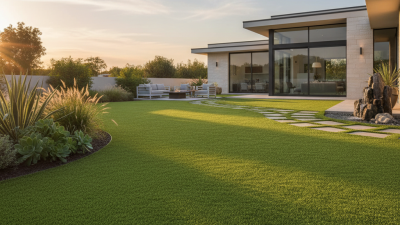
Synthetic artificial grass has gained popularity for residential and commercial spaces. One of its main benefits is its low maintenance requirement. Unlike natural grass, it doesn’t need mowing, watering, or fertilizing. This saves time and reduces overall costs. It looks lush and vibrant year-round, avoiding the seasonal browning that often occurs with real grass.
Another key benefit is its durability. Synthetic grass withstands heavy foot traffic without suffering damage. It’s perfect for areas where children play or pets roam. However, it may feel hot underfoot during the summer. Proper installation can mitigate this issue, yet it’s a detail often overlooked by homeowners.
Environmental impact is another aspect worth considering. Synthetic grass conserves water, which is significant in drought-prone regions. Still, some argue about its ecological footprint during production. It’s important to reflect on the long-term sustainability of materials used. Engaging with these nuances can lead to informed decisions about outdoor spaces.
Benefits of Installing Synthetic Artificial Grass
Applications and Use Cases for Synthetic Artificial Grass
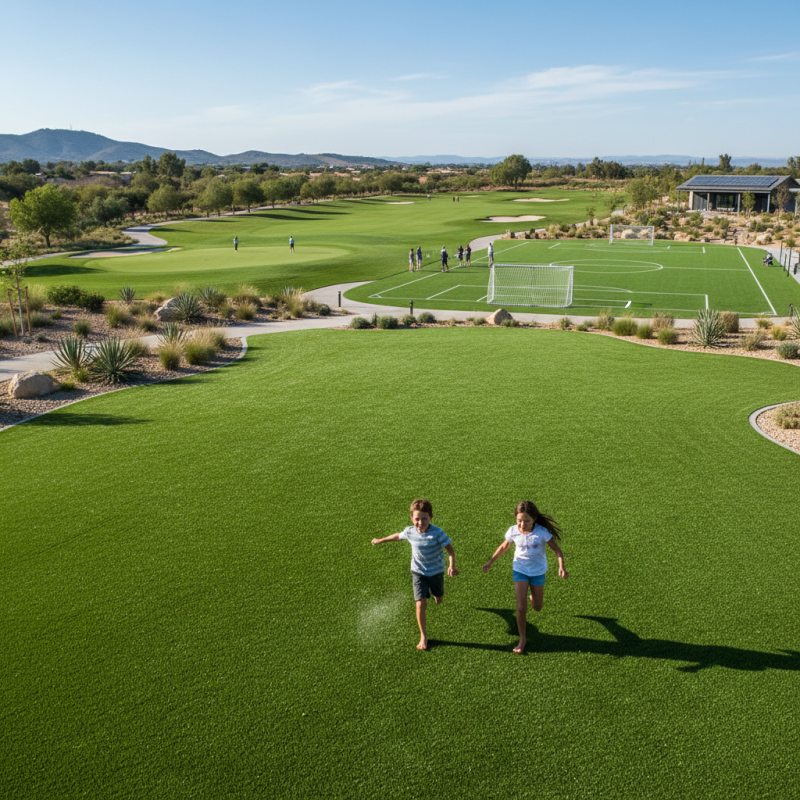
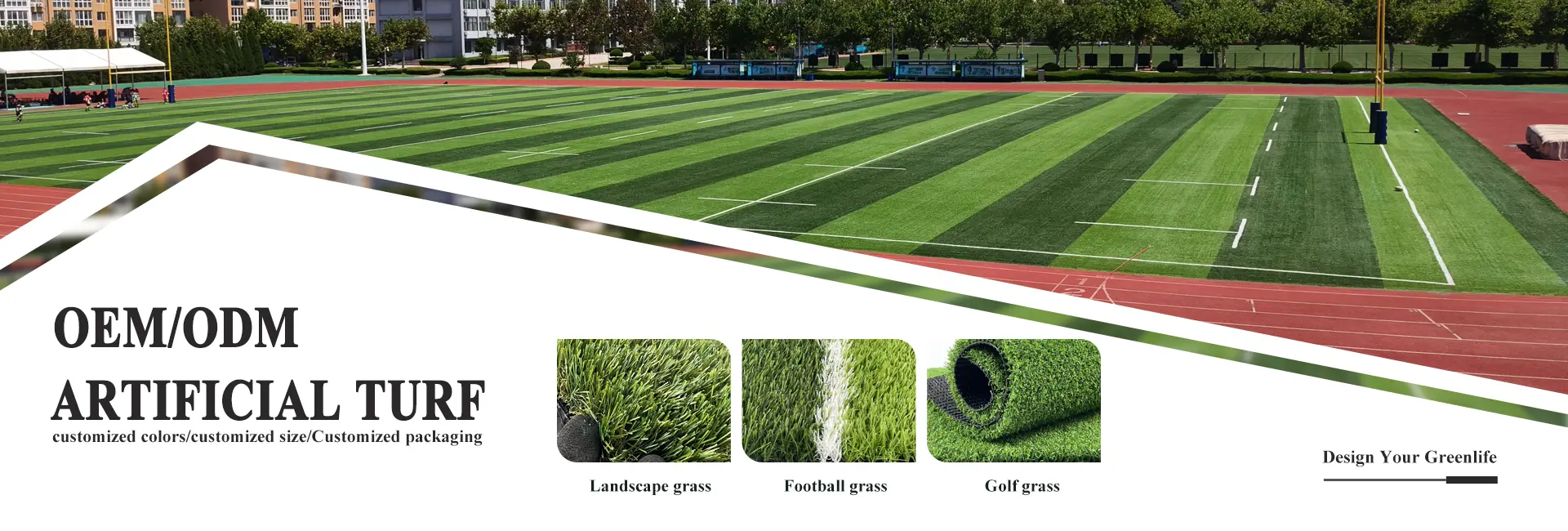
Synthetic artificial grass has numerous applications across various sectors. It can transform residential lawns, commercial spaces, and athletic fields. Homeowners appreciate the lush look without maintenance. Businesses use it to create inviting environments and to save on water costs. Schools and sports complexes benefit from its durability.
When considering synthetic grass, think about the climate. In hotter regions, it can absorb heat. This can be mitigated with cooling technology or a proper installation. Using lighter colors may help reduce heat buildup. It's also essential to consider that while synthetic grass is low maintenance, it still requires occasional cleaning. Regular brushing and rinsing can keep it looking fresh.
For pet owners, synthetic grass offers a clean alternative to natural lawns. It is easy to clean and resistant to stains. However, some animals may not feel comfortable initially. Allow time for them to adjust. Over time, they will likely enjoy their new play area. Be mindful of potential odors. Cleaning products should be pet-safe. Proper upkeep can help create a safe space for play and rest.
What is Synthetic Artificial Grass and its Benefits? - Applications and Use Cases for Synthetic Artificial Grass
| Application Area |
Benefits |
Use Cases |
| Residential Lawns |
Low maintenance, water-efficient |
Home gardens, backyard play areas |
| Sports Fields |
Durable, consistent playing surface |
Soccer, football, tennis courts |
| Commercial Landscaping |
Enhances aesthetics, reduces upkeep costs |
Parks, office complexes, retail spaces |
| Playgrounds |
Soft landing surface, safe for children |
Community parks, school playgrounds |
| Rooftop Gardens |
Lightweight, easy to install |
Urban residential rooftops, commercial buildings |
| Swimming Pool Areas |
Slip-resistant, stays cool |
Surrounding pools, luxury resorts |