What Are the Benefits of Installing a Garden Green Wall?
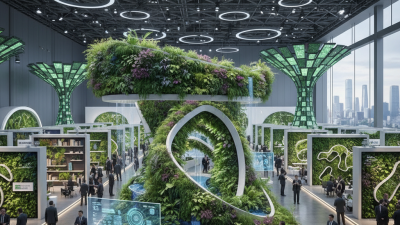
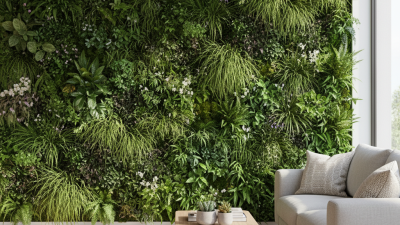
The concept of a "Garden Green Wall" has gained momentum in recent years. These vertical gardens transform ordinary spaces into vibrant green landscapes. According to Dr. Sarah Langley, a renowned horticulturist, "Garden Green Walls offer unparalleled environmental benefits."
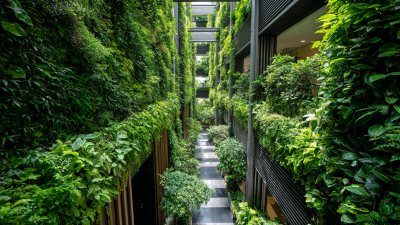
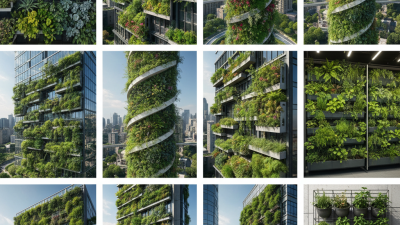
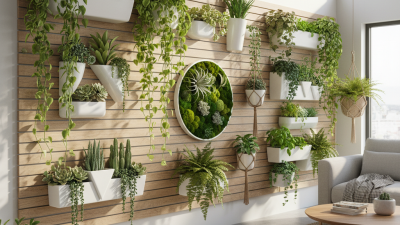
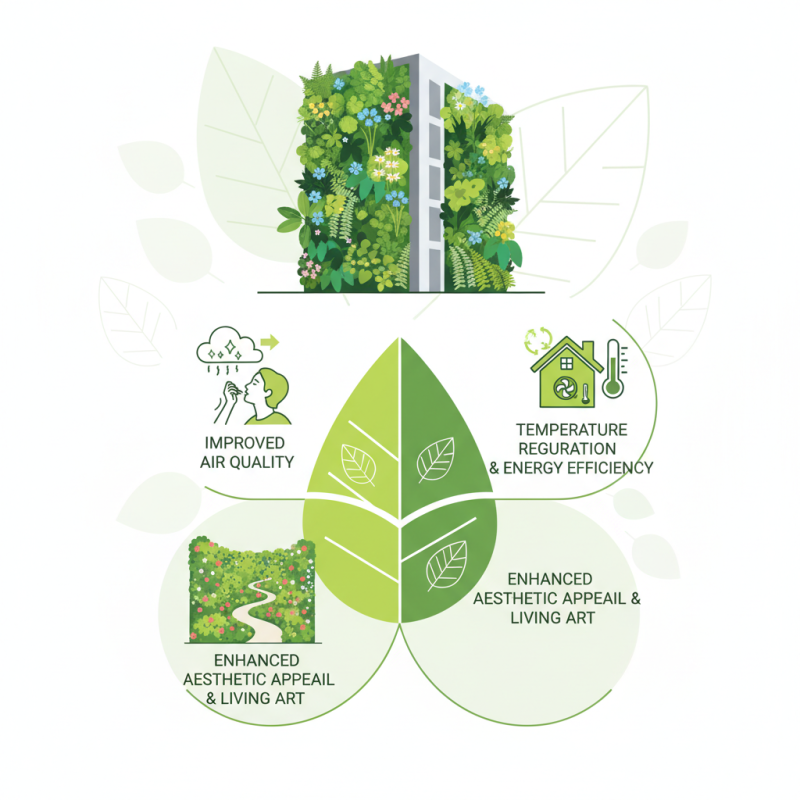
Installing a Garden Green Wall not only enhances aesthetic appeal but also improves air quality. Plants absorb CO2 and release oxygen, contributing to a healthier environment. Additionally, these walls can regulate temperature, making buildings more energy-efficient. The visual impact can be immediate, turning bland walls into living art forms.
However, maintaining a Garden Green Wall comes with challenges. Proper irrigation and plant selection are crucial for success. Without adequate care, plants may wilt or become overgrown. Despite these hurdles, the rewards can be substantial. A well-executed Garden Green Wall provides beauty and ecological advantages that can transform urban living spaces.
Benefits of Improved Air Quality from a Garden Green Wall
Installing a garden green wall can significantly enhance air quality in urban environments. Plants absorb carbon dioxide and release oxygen through photosynthesis. A green wall acts as a natural air filter, trapping dust and pollutants. This process reduces airborne toxins, making the air cleaner and healthier to breathe.
To maintain your green wall effectively, use a variety of plants. Diverse species can tackle different pollutants. Herbs like mint or basil not only purify the air but also offer pleasant aromas. Regularly check for pests, as they can undermine the benefits of your green wall. Sometimes, you may need to replace certain plants if they show signs of stress or deterioration.
Consider the placement of your garden green wall. South-facing walls receive more sunlight, fostering healthy growth. However, be mindful of water management; ensure proper drainage to prevent root rot. A beautifully designed green wall can enhance both aesthetics and air quality in your home. Reflect on the balance between beauty and maintenance for long-term success.
Enhancement of Aesthetic Appeal in Urban Environments
Urban spaces can often feel sterile and disconnected from nature. Installing a garden green wall serves as a vibrant solution. This vertical garden brings life to the concrete jungle, enhancing visual appeal dramatically. Flowers and greenery create a refreshing contrast against a dull backdrop. The result is a striking focal point that captivates residents and visitors alike.
Incorporating a green wall requires thoughtful planning. Consider your wall's location. South-facing walls receive more sunlight, benefiting sun-loving plants. Consult local horticulturists for plant selections. Choose species that thrive in your climate. Explore how different plant colors complement each other. A well-curated assortment not only beautifies but also invites a sense of calm.
Maintenance can be challenging. Regular watering and pest control are necessary. Know that plants can fail to thrive despite your best efforts. Sometimes, redesigning is essential. Rather than viewing this as a setback, embrace the opportunity to try new plants. Each change contributes to evolving aesthetics, keeping your green wall vibrant and engaging for the community.
Reduction of Noise Pollution through Vertical Gardens
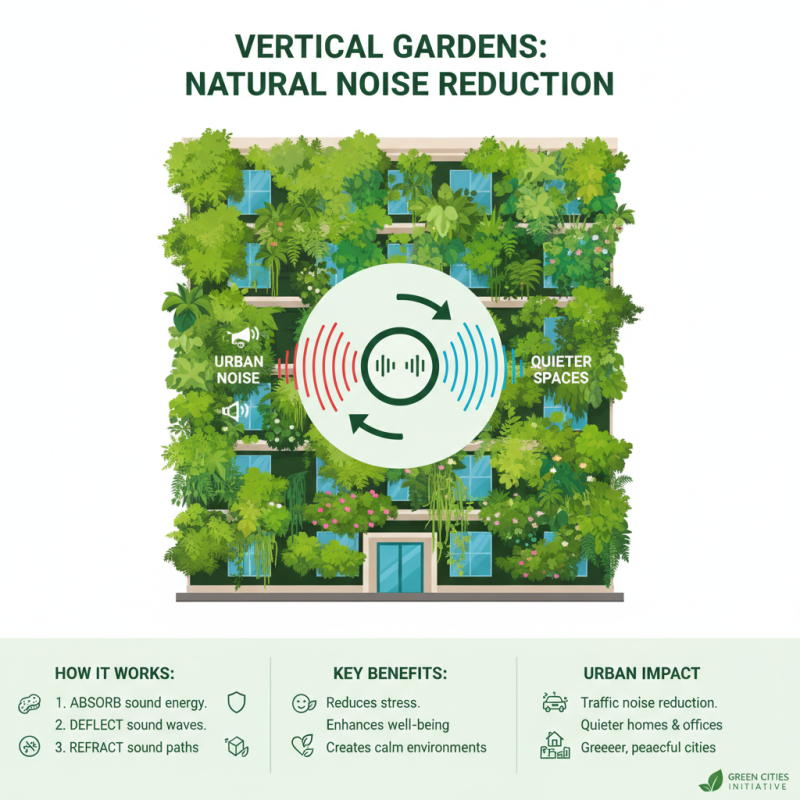
Vertical gardens, often known as green walls, offer a range of environmental benefits. One significant advantage is their ability to reduce noise pollution. Urban areas tend to be noisy, with traffic and city sounds creating stress for residents. Green walls can act as natural sound barriers. The plants absorb, deflect, and refract sound waves, making spaces quieter.
Research indicates that thicker plant layers on green walls enhance this effect. Dense foliage can lower noise levels by several decibels. Ideal placements include busy streets or industrial zones where noise is a prominent issue. Even a small green wall can make a noticeable difference. The visual appeal of these installations can also enhance the quality of life.
Despite these benefits, challenges exist. Maintaining a green wall requires commitment and resources. Not every plant thrives in vertical settings. Some may struggle with light or moisture. Careful selection and upkeep are crucial for effectiveness. Cities may need to reevaluate their approach to landscaping and noise control, focusing on sustainable methods like these. Embracing nature in urban design is a complex but necessary discussion.
Thermal Regulation and Energy Efficiency Gains
A garden green wall can significantly enhance thermal regulation in both residential and commercial spaces. These vertical gardens act as natural insulators. They help maintain a steady indoor temperature. During hot months, they cool the air. In colder seasons, they retain heat. This dual capacity can reduce reliance on heating and cooling systems. As a result, energy bills may decrease.
To maximize benefits, consider the wall's placement. South-facing walls receive ample sunlight, promoting plant health. Additionally, choose native plants suited for your climate. They often require less maintenance and water. A variety of textures and colors not only looks appealing but also supports biodiversity.
It's important to select appropriate materials for the wall. Using high-quality, eco-friendly substrates ensures better drainage and plant health. You might face challenges with plant selection and wall attachment methods. Don’t rush the installation process; careful planning yields better results. Remember, a well-maintained green wall contributes to both comfort and energy efficiency.
Support for Biodiversity and Urban Wildlife Habitats
Garden green walls offer crucial support for biodiversity in urban settings. By integrating vegetation into architectural designs, we create microhabitats for various species. According to a study by the University of Melbourne, green walls can increase local biodiversity by up to 30%. Importantly, these green installations attract pollinators like bees and butterflies, which are vital for plant reproduction.
Moreover, these walls provide sanctuary for birds and smaller wildlife. They serve as a natural refuge from urban noise and pollution. A report from the World Economic Forum highlights that urban areas only cover about 1% of the Earth's land. Yet, these spaces can significantly impact local ecosystems. Implementing green walls helps bridge the gap between urban and natural environments.
However, not all installations yield equal benefits. The choice of plants is key. Local plant species perform better in attracting native wildlife. Many people overlook this aspect. They often opt for exotic plants that may not support local ecosystems. This oversight can ultimately limit the environmental advantages of green walls. In designing these installations, understanding plant selection and local wildlife needs is essential for maximizing benefits.