2026 Top Artificial Wall Plants for Modern Home Decor Trends?
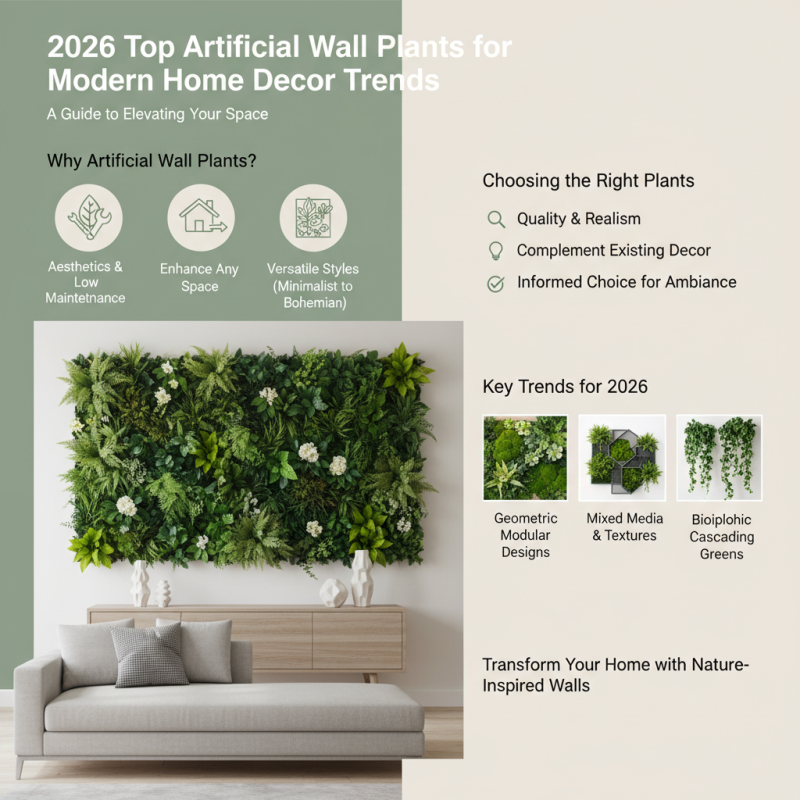
As we approach 2026, home decor trends continue to evolve. Among these trends, "Artificial Wall Plants" emerge as a popular choice for modern interiors. These plants offer a unique combination of aesthetics and low maintenance. They can effortlessly enhance any space.
Artificial Wall Plants provide a vibrant and organic touch to walls. They suit various styles, from minimalist to bohemian. These plants can create a focal point, bringing life to otherwise empty spaces. The versatility of materials makes them suitable for both residential and commercial environments.
However, choosing the right Artificial Wall Plants can be challenging. Some may look overly artificial, detracting from the intended visual effect. It’s important to consider quality and realism when making selections. Reflect on how these plants can complement your existing decor. An informed choice can elevate the overall ambiance of your home while embracing the latest trends.
2026 Trends in Artificial Wall Plants for Contemporary Home Decor
When exploring the 2026 trends in artificial wall plants, it's clear they are becoming increasingly popular in contemporary home decor. A recent industry report notes that over 40% of homeowners prefer greenery that requires minimal maintenance. These wall plants offer a splash of color and texture, transforming any space into a vibrant oasis without the hassle of traditional gardening.
Many designers are now focusing on more authentic-looking options. High-quality materials, such as silk and latex, enhance realism. They mimic the nuanced textures and colors found in real plants. This trend reflects a growing demand for sustainable and versatile decor solutions. Artificial plants can last for years, which appeals to eco-conscious consumers looking to reduce waste.
Tips: To maximize their decorative impact, consider layering different types of artificial plants on your walls. This technique creates depth and dimension. Also, think about incorporating LED lights to illuminate these designs, enhancing the ambiance. Finally, be mindful of how you arrange them; a cluttered look can detract from their aesthetic appeal.
2026 Trends in Artificial Wall Plants for Contemporary Home Decor
Benefits of Using Artificial Wall Plants in Modern Interiors
Artificial wall plants are becoming increasingly popular in modern interiors. A recent industry report indicates that the market for artificial plants is projected to grow by over 10% annually. This trend highlights the benefits they offer for home decor.
One significant advantage is their low maintenance. Unlike natural plants, artificial options do not require watering or sunlight. This makes them ideal for busy households or spaces with limited light. Moreover, they can be easily repositioned to fit any decor style. Their versatility allows homeowners to refresh their spaces without much effort.
Additionally, artificial wall plants can enhance air quality. Aesthetic elements like these contribute to an inviting atmosphere. They can also provide a sense of nature indoors, which research suggests can benefit mental well-being. Using vibrant greens and varied textures can engage the senses. However, there's a downside. Some people may perceive artificial plants as less authentic. This raises questions about the emotional connection to decor. Balancing authenticity with convenience is a topic worth exploring in modern design.
Top Design Styles Featuring Artificial Wall Plants in 2026
In 2026, artificial wall plants are making a significant impact on modern home decor trends. Many design styles now embrace these vibrant greenery options, enhancing indoor spaces without the hassle of maintenance. The minimalist aesthetic remains popular, with simple arrangements of faux ferns and succulents creating serene backdrops for contemporary living rooms. Their lifelike appearance adds a touch of nature while ensuring easy care.
Bohemian style continues to thrive, featuring a mix of textures and colors. Wall-mounted artificial plants, like trailing vines, introduce a lush feel that complements bold patterns. However, authenticity is sometimes sacrificed. Owners may feel a disconnect between the artificial plants and their surroundings. It's essential to consider how these pieces interact with other decor elements.
Industrial design is also evolving. Raw materials and clean lines pair well with well-placed artificial greenery. These wall plants soften the hard edges often found in this style. Yet, overuse can lead to a cluttered look. It's crucial to strike a balance, ensuring that each piece contributes to the overall design theme. Thoughtfully curated arrangements of artificial plants can elevate any space, if done right.
2026 Top Artificial Wall Plants for Modern Home Decor Trends
| Plant Type |
Color Options |
Size (Height) |
Material |
Price Range |
| Faux Fern |
Green |
24 inches |
Plastic |
$30 - $50 |
| Artificial Succulent |
Various (Green, Pink, Blue) |
12 inches |
Silicone |
$20 - $40 |
| Silk Ivy |
Green |
30 inches |
Silk |
$25 - $55 |
| Decorative Bamboo |
Green, Yellow |
60 inches |
Plastic |
$40 - $80 |
| Preserved Moss Wall |
Green, Natural |
24 inches x 24 inches |
Natural Moss |
$100 - $200 |
Key Color Palettes for Artificial Wall Plants in Modern Spaces
In 2026, artificial wall plants are a vital trend in modern home decor. Focusing on key color palettes can enhance spaces significantly. According to industry reports, greens and earth tones are forecasted to dominate, with 52% of designers prioritizing natural hues. These colors create a serene environment, perfect for relaxation.
Choosing the right palette elevates your decor. Deep greens paired with warm browns evoke a sense of balance. On the other hand, vibrant colors like teal or coral can add energy to a room. This juxtaposition is beneficial for creating dynamic spaces. Utilize a mix of shades to draw attention and create visual interest.
Tips: Consider using a monochromatic scheme for a minimalist look. A single shade with varying textures can deepen the aesthetic. Additionally, accent with metallic colors to introduce a modern twist. A report by the Home Decor Institute notes that unexpected color combinations can lead to innovative designs, promoting creativity in your space. It’s essential to experiment, as each home tells its unique story through color.